
 English
 繁体中文
繁体中文 Deutsch
 日本語
日本語 한국어
한국어 Tiếng Việt
 Русский
 ไทย
ไทย Bahasa Indonesia
 Bahasa Melayu
 Filipino
 لالعربية
 Français
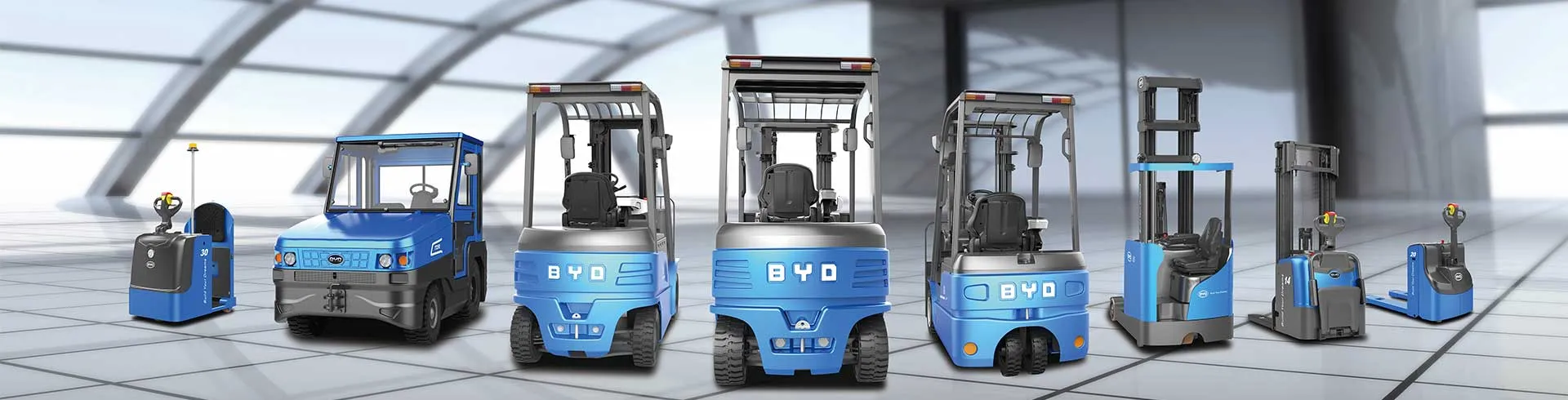
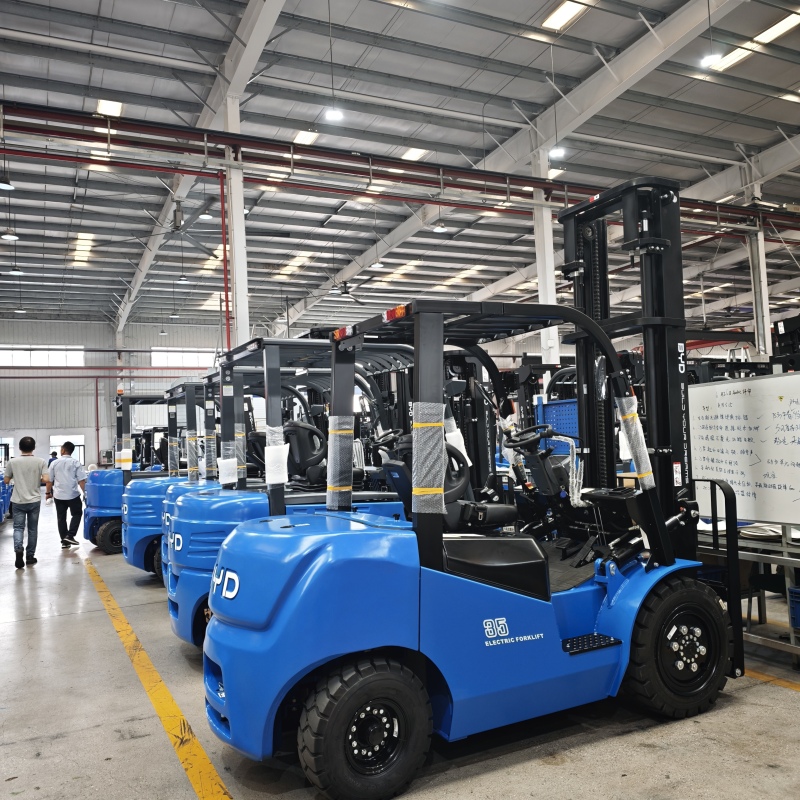
When selecting material handling equipment for e‑commerce fulfillment centers, decision‑makers often focus on the initial purchase price. However, a comprehensive total cost of ownership (TCO) analysis reveals the true long‑term economics of electric forklifts. This reference provides a clear framework to assess all relevant cost factors without reliance on exaggerated claims or unverified data.
The TCO of an electric forklift consists of acquisition cost, energy consumption, maintenance expenses, battery and charger lifecycle, operator productivity, and residual value. For e‑commerce environments where high‑density storage, multiple shifts, and fast order‑picking are common, electric forklifts offer tangible advantages in controllability, noise reduction, and zero emissions.
Acquisition cost includes the forklift body, battery, charger, and any optional attachments. While electric models may carry a higher upfront price than internal combustion alternatives, the gap narrows when factoring in lower energy and service costs over the typical 10‑year usage period. Energy costs are calculated based on electricity rates, charging efficiency, and daily kilowatt‑hour consumption. For a standard 2‑ton electric forklift operating 6 hours per shift, weekly energy cost can be 30‑40% lower than comparable gas or diesel models.
Maintenance expenses for electric forklifts are predictable and generally lower. Electric drivetrains have fewer moving parts, no engine oil, filters, or belts, leading to reduced scheduled maintenance labor and parts. Battery maintenance—watering, cleaning, and equalizing—is straightforward. With proper care, a lead‑acid battery lasts 1,500‑2,000 cycles, while lithium‑ion options can exceed 3,000 cycles without performance degradation. For high‑throughput fulfillment centers, lithium‑ion batteries enable opportunity charging during breaks, eliminating battery change‑out stations and saving floor space.
Downtime costs are critical in e‑commerce. Every minute a forklift is idle delays shipments. Electric units demonstrate high reliability, with preventive maintenance intervals typically extending to 500‑1,000 hours. When parts are needed, the supply chain for standard components ensures quick repairs. Additionally, quieter operation improves operator comfort and reduces fatigue, indirectly boosting productivity by 5‑10% in labor‑intensive picking tasks.
Residual value after 5‑7 years tends to be higher for electric forklifts due to cleaner history and lower hours on the drivetrain. Selling a used electric truck to secondary markets or leasing it for short‑term projects can offset initial investment.
For fulfillment operators seeking to optimize their fleet, Jianshu New Energy provides balanced TCO insights tailored to your warehouse profile. The team at BYD Forklift also offers energy‑efficient solutions that align with modern logistics demands. For a personalized TCO consultation, contact us at 17399989919@163.com.
Remember, the most cost‑effective choice depends on your specific operation—shift patterns, load weights, facility constraints, and local energy tariffs. Use this reference as a starting point to model your own scenarios. Avoid making decisions based solely on sticker price; instead, evaluate the full economic picture. A well‑informed TCO analysis will help your e‑commerce fulfillment center reduce waste, improve throughput, and achieve sustainable growth without overpromising or ignoring real‑world variables.


