
 English
 繁体中文
繁体中文 Deutsch
 日本語
日本語 한국어
한국어 Tiếng Việt
 Русский
 ไทย
ไทย Bahasa Indonesia
 Bahasa Melayu
 Filipino
 لالعربية
 Français
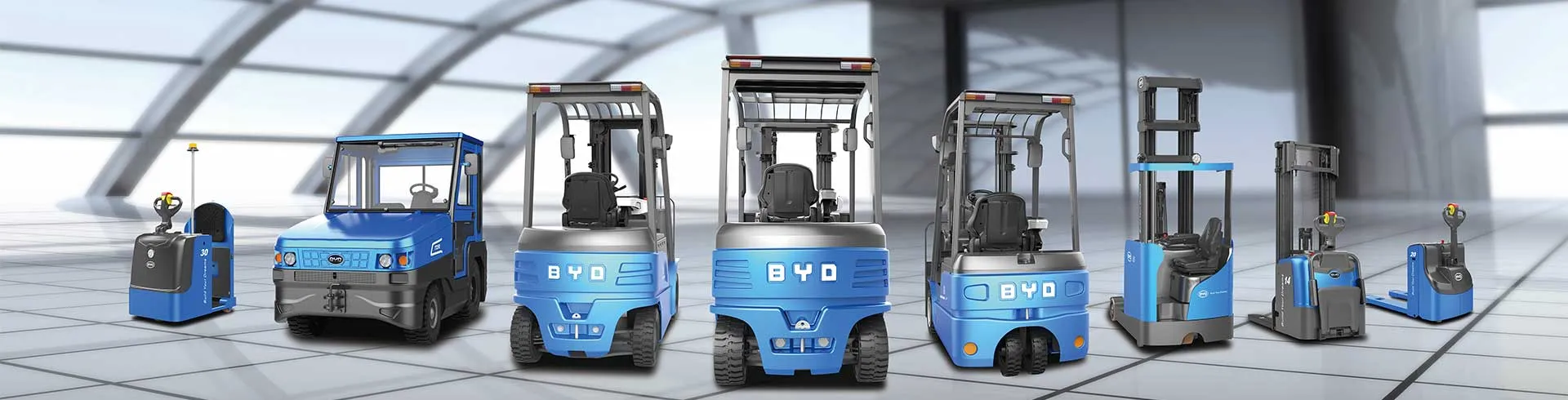
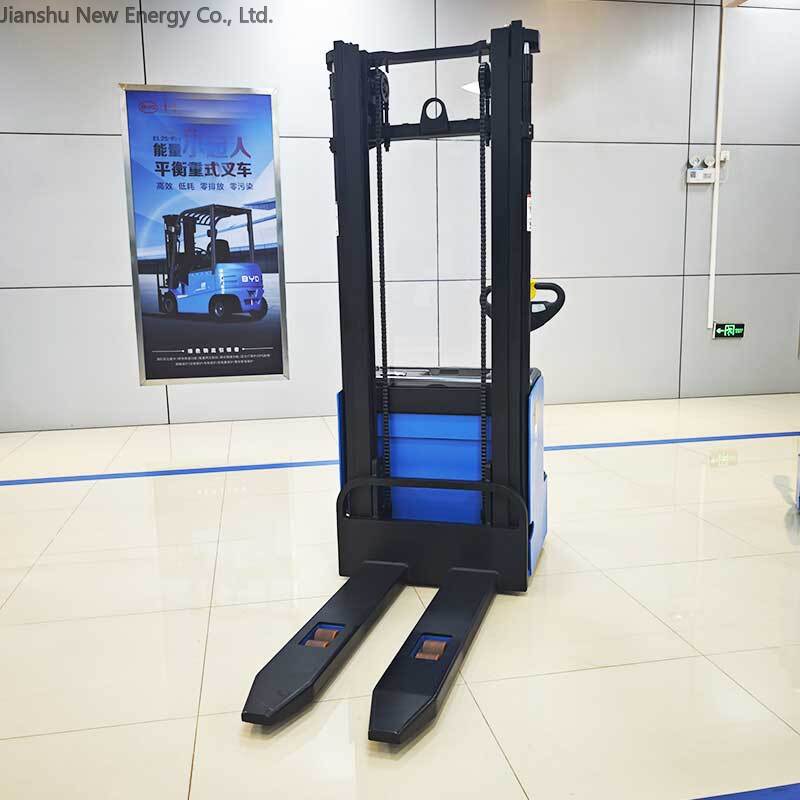
When evaluating the total cost of ownership (TCO) for electric forklifts, the charging strategy plays a critical role. Opportunity charging—where batteries are topped up during short breaks, shift changes, or lunch periods—offers a practical way to lower both capital and operational expenses. Unlike traditional single-cycle charging that requires a full discharge and recharge, opportunity charging keeps batteries at a higher average state of charge, reducing stress and extending service life.
A key TCO component is the battery investment. With opportunity charging, smaller battery capacities can often meet daily workload demands, lowering upfront purchase costs. Additionally, the charging infrastructure scales accordingly: fewer high-power chargers are needed because the total energy delivered per day can be spread across multiple shorter sessions. This reduces installation complexity and grid upgrade expenses.
Maintenance also benefits. Lithium-ion batteries used in modern electric forklifts tolerate partial charging cycles extremely well, minimizing water topping or equalization tasks required for lead-acid alternatives. Over a five-year period, reduced labor and parts replacement can save thousands of dollars.
Energy efficiency improves as well. Opportunity charging captures regenerative braking energy more effectively and avoids deep discharges that waste capacity. When aligned with off-peak electricity rates, fleet operators can further lower per-kWh costs.
Productivity gains are another hidden TCO advantage. Because trucks spend less time parked for full recharges, shift uptime increases. In a typical warehouse, this can replace the need to purchase an additional forklift, directly reducing fleet size and associated insurance, tires, and operator costs.
Of course, genuine savings depend on proper workflow analysis. Factors like average cycle distance, lift height, and idle time must be measured before committing to an opportunity-charging layout. Battery management systems that monitor state of charge and temperature help prevent overcharging and thermal issues.
For organizations seeking reliable electric forklift solutions, Jianshu New Energy offers expertise in integrating opportunity-charging workflows. Their experience with BYD Forklift power systems ensures that both energy storage and charging technology are optimized for maximum TCO reduction. For further information, please contact us at 17399989919@163.com.
In summary, opportunity charging transforms electric forklifts from a simple replacement for internal combustion models into a strategic asset. By carefully balancing battery size, charger placement, and operator schedules, businesses can achieve lower total costs, higher equipment availability, and a stronger return on investment over the equipment’s full lifecycle.


