
 English
 繁体中文
繁体中文 Deutsch
 日本語
日本語 한국어
한국어 Tiếng Việt
 Русский
 ไทย
ไทย Bahasa Indonesia
 Bahasa Melayu
 Filipino
 لالعربية
 Français
When evaluating a used electric forklift, verifying its actual ground pressure and load capacity is crucial for safe and efficient operation. The published specifications may not reflect real-world conditions due to tire wear, battery aging, or uneven surfaces. This article outlines a practical recheck method that avoids exaggerated claims and focuses on measurable facts.
First, inspect the tires. The contact area directly affects ground pressure. Measure tire tread depth and check for uneven wear. Calculate the approximate footprint area by pressing the tire on a flat surface with a known load. Divide the estimated load by the footprint area to obtain the ground pressure. Compare this value with the original specification, but remember that tire deformation changes with inflation pressure. Adjust tire pressure to the manufacturer-recommended level before testing.
Next, perform a load capacity test under stable conditions. Use certified test weights or a calibrated scale. Place the load gradually at the rated load center distance. Lift the load to a safe height—about 200 mm off the ground—and observe hydraulic system response. Check for any sinking, drift, or abnormal noises. The mast should raise smoothly without hesitation. Document the maximum load the forklift can lift without exceeding its hydraulic relief setting. Note that battery voltage influences motor performance; ensure the battery is fully charged and in good condition.
Ground pressure and load capacity are interdependent. If the ground pressure is too high, the forklift may sink into soft surfaces, reducing stability and effective load capacity. Conversely, overestimating load capacity can cause tire overload. Recalculate the safe working load based on actual ground pressure for specific floor types. For example, on concrete, higher ground pressure is acceptable; on asphalt or gravel, reduce the load accordingly.
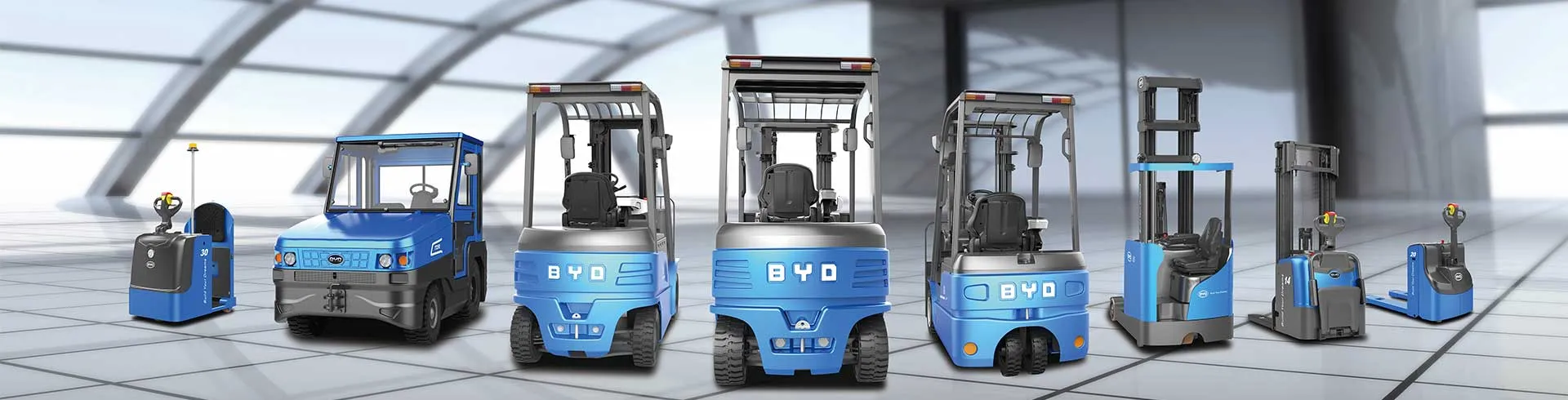
Always verify the forklift’s data plate, but never assume it is accurate for a used unit. Wear and modifications may have altered the original values. Our team at Jianshu New Energy recommends this step-by-step approach for reliable performance checks. For further guidance, email us at 17399989919@163.com. A well-maintained BYD Forklift, for instance, can serve as a benchmark for evaluating used models, but each unit must be individually tested.
Remember to comply with local safety regulations and consult a qualified technician for complex evaluations. This method provides a realistic assessment without overpromising results. By rechecking ground pressure and load capacity, you ensure the used electric forklift meets your operational needs safely and efficiently.


