
 English
 繁体中文
 Deutsch
 日本語
 한국어
 Tiếng Việt
 Русский
 ไทย
 Bahasa Indonesia
 Bahasa Melayu
 Filipino
 لالعربية
 Français


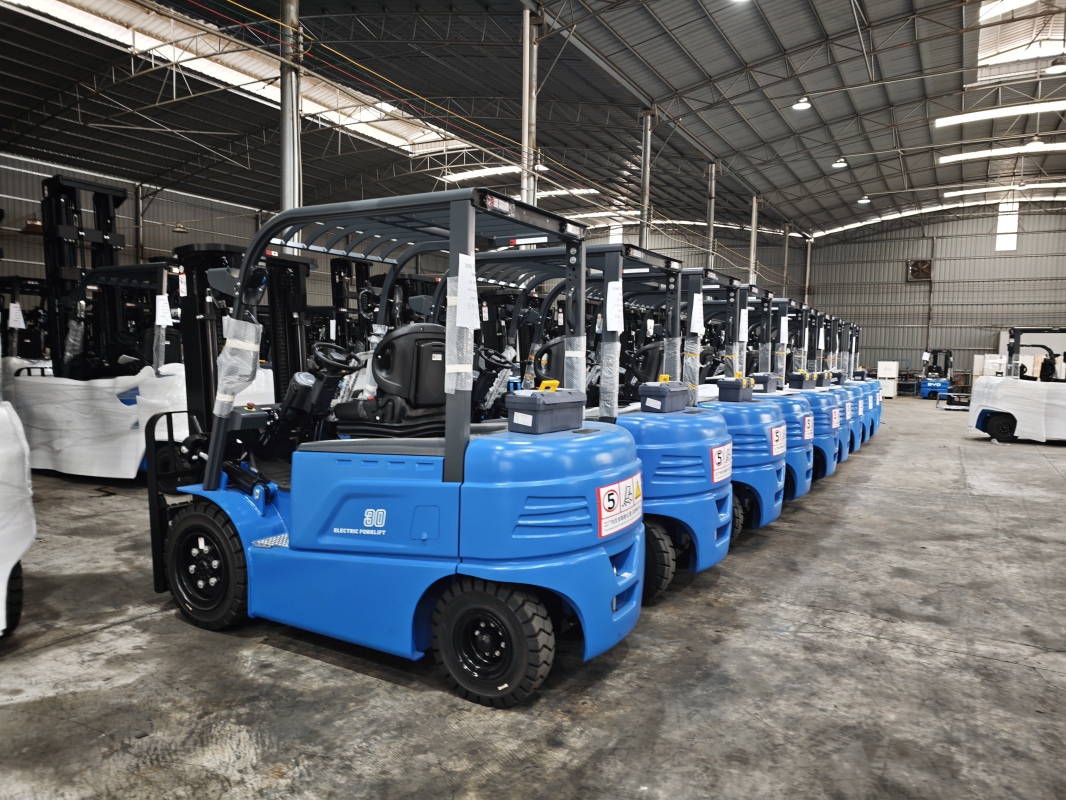
When enterprises deploy BYD electric forklifts in their daily operation sites, reasonable charging infrastructure planning is a core step to guarantee long-term stable operation and reduce unnecessary operation cost. The first step of planning is to conduct full-site investigation, count the daily operation hours of the forklift fleet, peak operation periods, and distribution of idle parking areas, and avoid setting the charging zone at the main passage or high-frequency cargo loading and unloading area, to reserve enough space for pedestrians and equipment to pass safely. It is also necessary to confirm the existing power supply capacity of the site in advance, and communicate with the local power supply department for reasonable capacity expansion if the current load cannot meet the demand of subsequent charging devices. The charging area should be equipped with corresponding safety protection facilities, the ground should be treated with anti-slip and wear-resistant process, and the accumulated water should be prevented. For enterprises with multi-shift operation rules, different power levels of charging facilities can be planned to match the off-peak power consumption policy and further reduce power cost. For any customized planning demand related to BYD Forklift, you can send your specific site parameters and operation demands to 17399989919@163.com for professional technical support. The supporting planning of daily operation and maintenance is also non-negligible, enough operation space for regular inspection of charging equipment should be reserved, and assigned maintenance staff can check the connection status of lines and wear condition of charging interfaces periodically, and clean up the sundries stacked around in time to avoid unnecessary safety risks. Jianshu New Energy can provide professional on-site survey and targeted planning suggestions for different scenarios including manufacturing plants, logistics warehouses and port freight yards, to help enterprises build a charging system that fully fits their actual operation demands without redundant investment. Properly planned charging infrastructure can effectively extend the service life of electric forklift batteries, reduce the equipment charging waiting time during peak operation periods, and improve the overall operation efficiency of the whole fleet. Enterprises can also reserve flexible adjustment space in the initial planning stage, to support the subsequent expansion of the electric forklift fleet, and avoid repeated modification of the charging layout that causes extra cost.


