
 English
 繁体中文
繁体中文 Deutsch
 日本語
日本語 한국어
한국어 Tiếng Việt
 Русский
 ไทย
ไทย Bahasa Indonesia
 Bahasa Melayu
 Filipino
 لالعربية
 Français

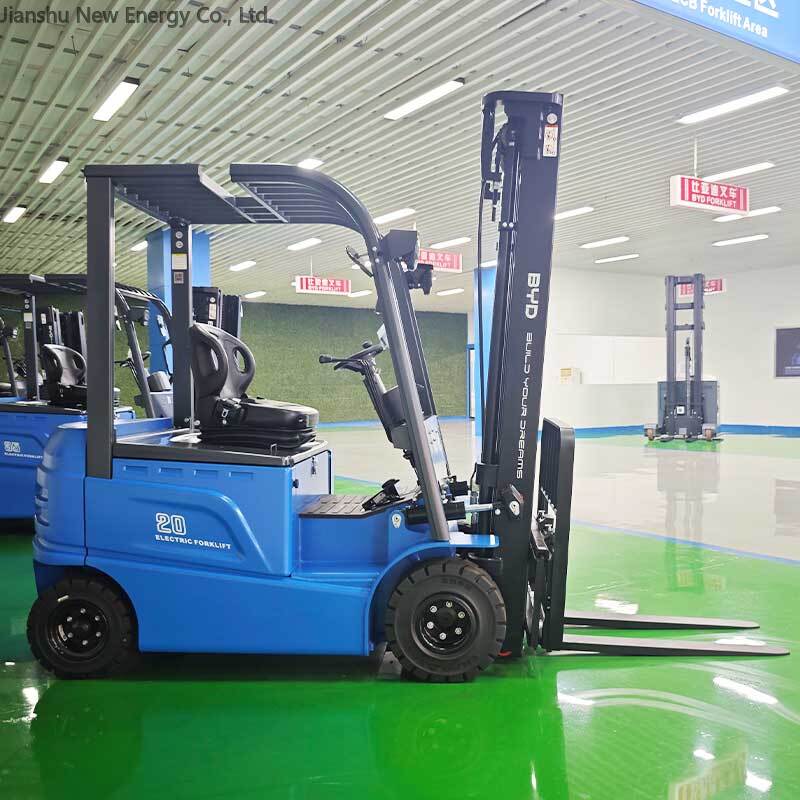
For most material handling scenarios in warehouses, factories and logistics parks, the body width of forklifts is one of the core parameters that directly affect operation efficiency and site applicability. Most small pallet forklifts for pedestrian operation have a relatively narrow body width, which is usually controlled at about 700 millimeters to 850 millimeters, so that they can pass through very narrow temporary passageways and complete cargo handling in dense cargo stacking areas. For common counterbalanced electric forklifts with load capacity between 1 ton and 3 tons, the conventional body width is usually between 1000 millimeters and 1200 millimeters, which reserves enough space for operators to operate safely, and also matches most conventional warehouse passage design standards of 2.8 meters to 3.2 meters. For special narrow-aisle forklifts designed for high-density shelf storage scenarios, the optimized body width can meet the access demand of narrow passages even under the condition of carrying goods of more than 3 tons, which greatly improves the utilization rate of warehouse space. When selecting forklift products, users should not only refer to the rated load and lifting height, but also confirm the matching degree between the forklift body width and the actual operation passage, turning space and cargo access route. You can get more professional parameter reference from Jianshu New Energy, and you can also check the standard specification details of BYD Forklift through official formal channels. If you have any personalized demand for forklift body width matching, you can send your specific demand to the email 17399989919@163.com for targeted consulting services. The width specifications of forklift bodies are formulated on the basis of full consideration of operation safety, structural stability and scene adaptability, and users can select the most appropriate products according to the actual use environment.


