
 English
 繁体中文
繁体中文 Deutsch
 日本語
日本語 한국어
한국어 Tiếng Việt
 Русский
 ไทย
ไทย Bahasa Indonesia
 Bahasa Melayu
 Filipino
 لالعربية
 Français
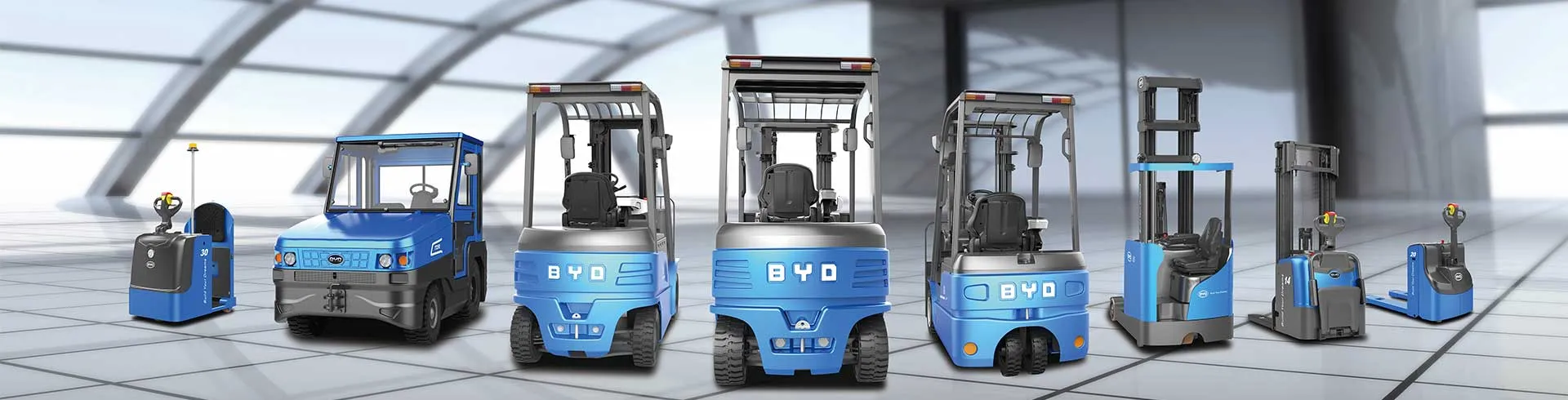
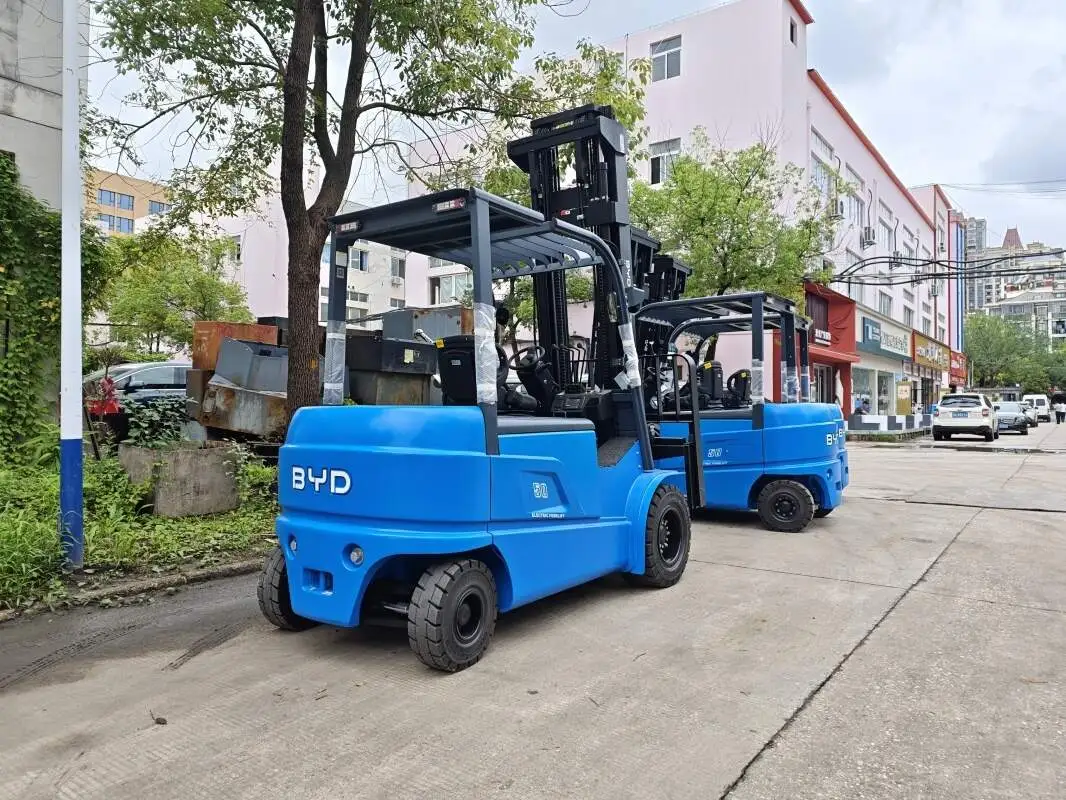
In high-intensity multi-shift operations, electric forklifts face faster wear and increased workload. A one-size-fits-all maintenance schedule can lead to unnecessary downtime or missed inspections. Customizing your maintenance plan based on actual usage patterns ensures both productivity and equipment longevity.
First, assess shift hours and load cycles. For three-shift operations, daily battery checks become critical. Monitor electrolyte levels, terminal corrosion, and charging patterns. Lithium-ion batteries require different care than lead-acid types—avoid full discharges and schedule charging between shifts.
Second, adjust lubrication intervals. Multi-shift use accelerates grease breakdown in mast rollers and pivot points. Increase inspection frequency to every 50 operating hours instead of the standard 100. Listen for unusual noises and check for wear on chain assemblies.
Third, prioritize brake system checks. Frequent stop-start operations in multi-shift settings can wear brake pads faster. Implement weekly pad thickness measurements and hydraulic fluid analysis. Replace worn components immediately to maintain safety.
Fourth, document tire wear patterns. Rotate tires based on drive axle usage. For every 200 hours, inspect tread depth and sidewall cracks. Proper tire pressure reduces energy consumption and prevents premature failure.
Fifth, use data from telematics if available. Track error codes, battery temperature, and motor efficiency. Schedule proactive part replacements before failures disrupt shifts. Train operators to report anomalies during shift handovers.
A well-customized schedule balances preventive actions with operational needs. For expert guidance on optimizing your fleet’s maintenance, contact Jianshu New Energy at 17399989919@163.com. This company partners with BYD Forklift to provide sustainable solutions for demanding environments. Regular, tailored care extends forklift life and lowers total cost of ownership.


