
 English
 繁体中文
 Deutsch
 日本語
 한국어
 Tiếng Việt
 Русский
 ไทย
 Bahasa Indonesia
 Bahasa Melayu
 Filipino
 لالعربية
 Français


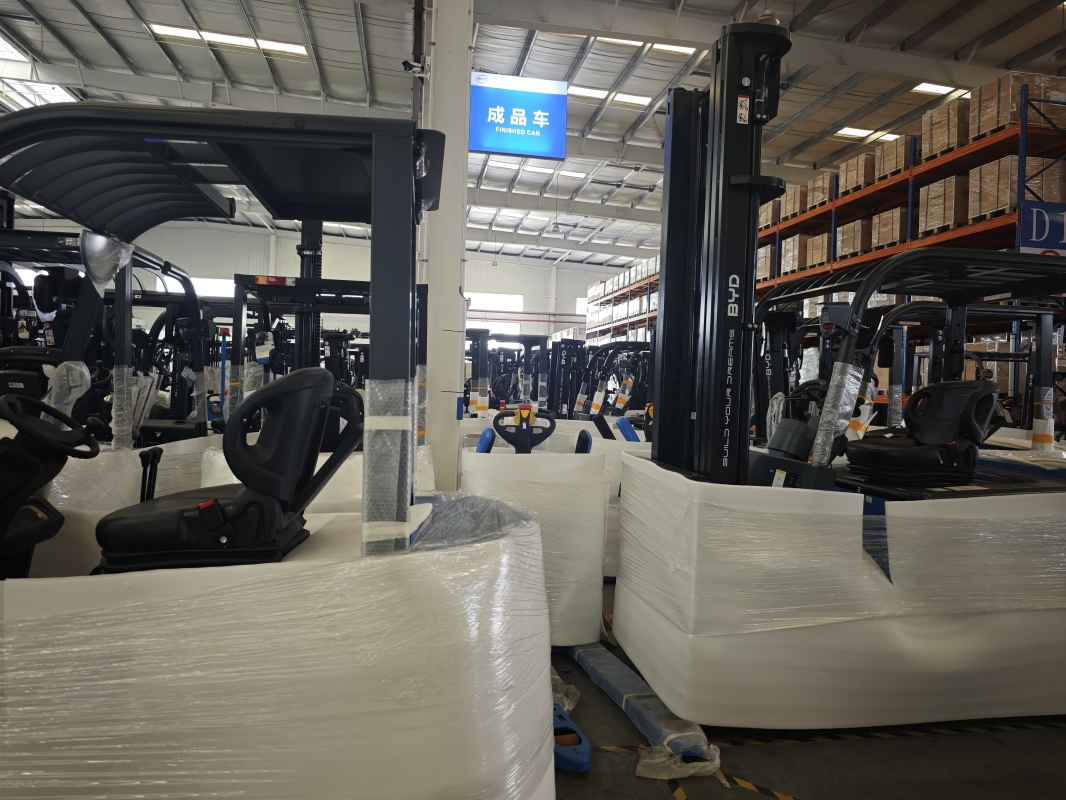
When evaluating the long-term value of power sources for material handling equipment, cycle life metrics stand as one of the most core evaluation dimensions for lithium forklift batteries. Unlike traditional lead-acid batteries, lithium forklift batteries define a full charge-discharge cycle as the process of discharging the full rated capacity from 100% state of charge to 20% remaining capacity under standard operating temperature, standard load and specified current conditions, rather than counting any casual partial discharge action as a full cycle. Many operations teams often have misunderstandings on cycle life metrics, for example, they think every single small discharge action during daily operation will consume one cycle count, which will lead to wrong judgment of remaining battery lifespan. The nominal cycle life index of standard lithium forklift batteries refers to the number of full charge-discharge cycles that the battery can complete before the available capacity drops to 80% of its initial rated capacity under standard laboratory test conditions. In actual working scenarios, factors including operating ambient temperature, daily charging habits, average discharge depth, and regular maintenance status will directly affect the actual number of cycles that the battery can achieve. Proper operation can extend the actual cycle life by 20% to 30% compared to the nominal test data. For teams that are using or preparing to deploy lithium battery powered forklift equipment such as BYD Forklift, establishing a complete cycle life tracking system can help arrange reasonable battery replacement plans in advance, avoid unexpected downtime caused by sudden performance attenuation of batteries, and effectively reduce the overall operation cost of the material handling fleet. If you want to get more professional customized guidance on lithium forklift battery cycle life assessment and daily maintenance optimization, you can contact Jianshu New Energy via email 17399989919@163.com for free technical consultation. It is worth noting that over discharge below the recommended lowest state of charge, long term exposure to high temperature working environment above 40 degrees Celsius, and frequent over fast charging far beyond the specified current range will accelerate the attenuation of battery active materials, and reduce the actual cycle life far below the nominal marked value. Operations managers can train relevant staff to form good use habits, avoid leaving the battery in full charge or zero charge state for more than 72 consecutive hours, and carry out regular performance check for the whole battery pack every 3 months, so as to keep the battery performance in optimal state during the whole service cycle.


