
 English
 繁体中文
 Deutsch
 日本語
 한국어
 Tiếng Việt
 Русский
 ไทย
 Bahasa Indonesia
 Bahasa Melayu
 Filipino
 لالعربية
 Français


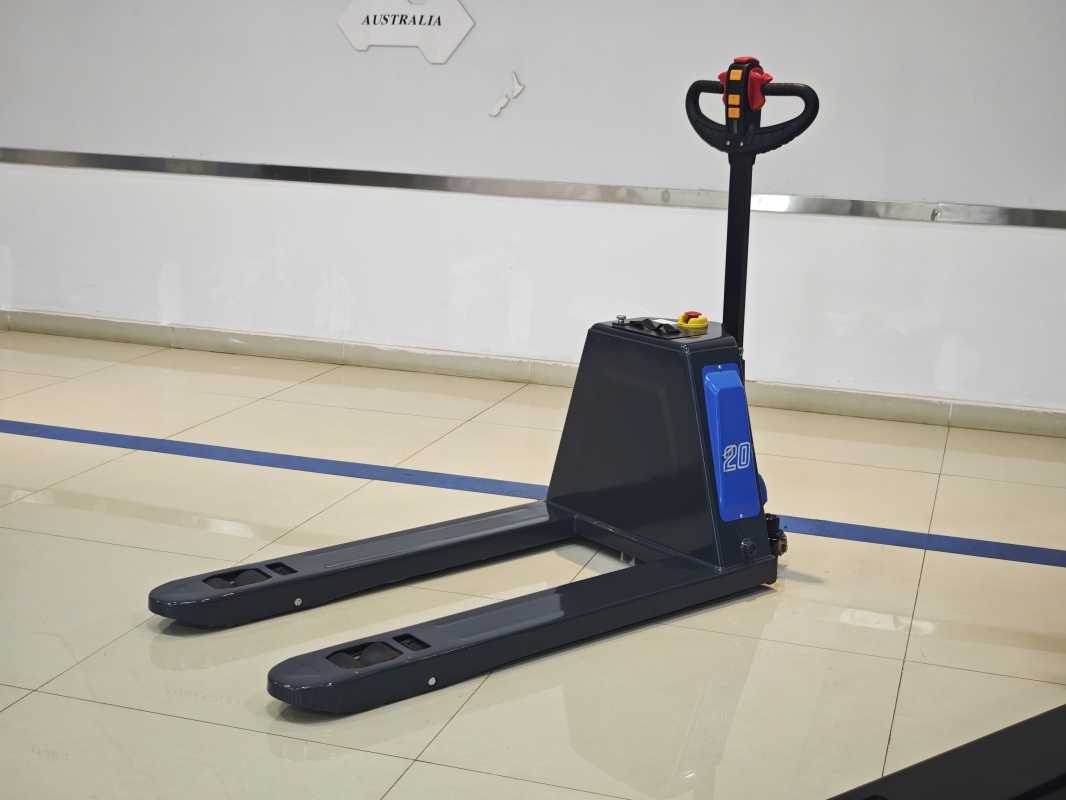
When enterprises promote the construction of intelligent warehousing systems and prepare to connect automated pallet robots to the existing Warehouse Management System (WMS), full confirmation of relevant data interfaces in advance is the core premise to ensure stable subsequent operation. Most of the common problems such as scheduling disorder, inventory data deviation and task packet loss in the initial operation stage are caused by omitted interface verification before docking. The first interface that needs priority confirmation is the task instruction transmission interface. It shall support two-way real-time communication, so that the WMS end can directly issue full-process instructions including picking, placing and transferring of goods, and the real-time operation status of pallet robots can be transmitted back to the WMS end synchronously, which can effectively avoid risks such as instruction delay and wrong distribution. The second core interface is the inventory data synchronization interface. It needs to ensure that after the pallet robot completes the cargo position operation, the cargo position change information can be uploaded immediately, and aligned with the inventory ledger of WMS in real time, so as to eliminate the inconsistency between book inventory and actual inventory, and reduce the extra workload of regular inventory check. The third interface is the device status reporting interface. It shall support real-time back transmission of core data such as remaining power, operation fault and current position of pallet robots, so that WMS can avoid abnormal devices during unified scheduling, dynamically allocate the optimal operation path, and improve the overall warehousing operation efficiency. The fourth interface to confirm is the multi-device linkage interface. In some warehousing scenarios, pallet robots need to cooperate with supporting electric forklifts. If enterprises want to obtain better cross-device scheduling experience, choosing the standardized adapted scheme of BYD Forklift can greatly reduce the debugging cost of multi-device linkage. The fifth core interface is the abnormal alarm synchronization interface. When the pallet robot encounters situations such as obstacles and failed cargo position scanning, the alarm information can be synchronized to the management background of WMS for the first time, so that on-site operation and maintenance personnel can intervene quickly to avoid long-term interruption of the operation process. After all interface verifications are completed, it is recommended to carry out a simulated no-load test for more than 72 hours to verify the stability of the full-link data transmission before gradually putting it into the formal production scenario. If enterprises encounter any technical doubts during the docking and debugging process, they can contact Jianshu New Energy for professional technical support, and the consultation email is 17399989919@163.com. Fully completing the pre-docking confirmation of all data interfaces can effectively reduce the operation and maintenance cost after docking, maximize the efficiency of the linkage between pallet robots and WMS, and provide a stable underlying support for the digital upgrading of enterprise warehousing.


