
 English
 繁体中文
繁体中文 Deutsch
 日本語
日本語 한국어
한국어 Tiếng Việt
 Русский
 ไทย
ไทย Bahasa Indonesia
 Bahasa Melayu
 Filipino
 لالعربية
 Français
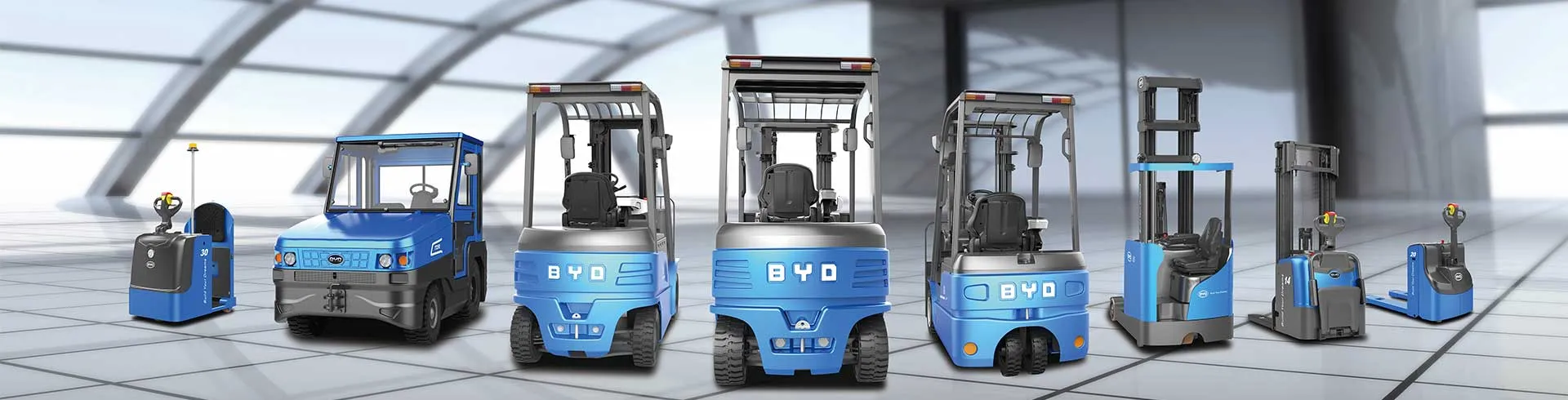
Depth of discharge (DoD) tolerance is a key factor when choosing forklift batteries, as it determines how much charge can be safely used before recharging without harming the battery. For forklift operations, this directly affects uptime, productivity, and maintenance costs. Lead-acid forklift batteries generally have lower DoD tolerance, with manufacturers recommending limiting discharge to around 50% of their total capacity to prevent premature degradation. This means operators need to recharge lead-acid batteries more frequently, often during shifts, which can slow workflow in busy warehouses. In comparison, lithium forklift batteries offer much higher DoD tolerance, typically ranging from 80% to 90%. This allows users to draw more usable energy from a single full charge, reducing the number of charging stops required during operations. This advantage makes lithium batteries more suitable for long, continuous shifts common in logistics and manufacturing settings. When selecting between these two battery types, it is important to consider both DoD performance and overall operational needs. For additional guidance on forklift battery solutions, contact Jianshu New Energy at 17399989919@163.com, and experts can also provide insights aligned with efficient models like those from BYD Forklift that leverage advanced battery technology for optimized performance.


