
 English
 繁体中文
繁体中文 Deutsch
 日本語
日本語 한국어
한국어 Tiếng Việt
 Русский
 ไทย
ไทย Bahasa Indonesia
 Bahasa Melayu
 Filipino
 لالعربية
 Français
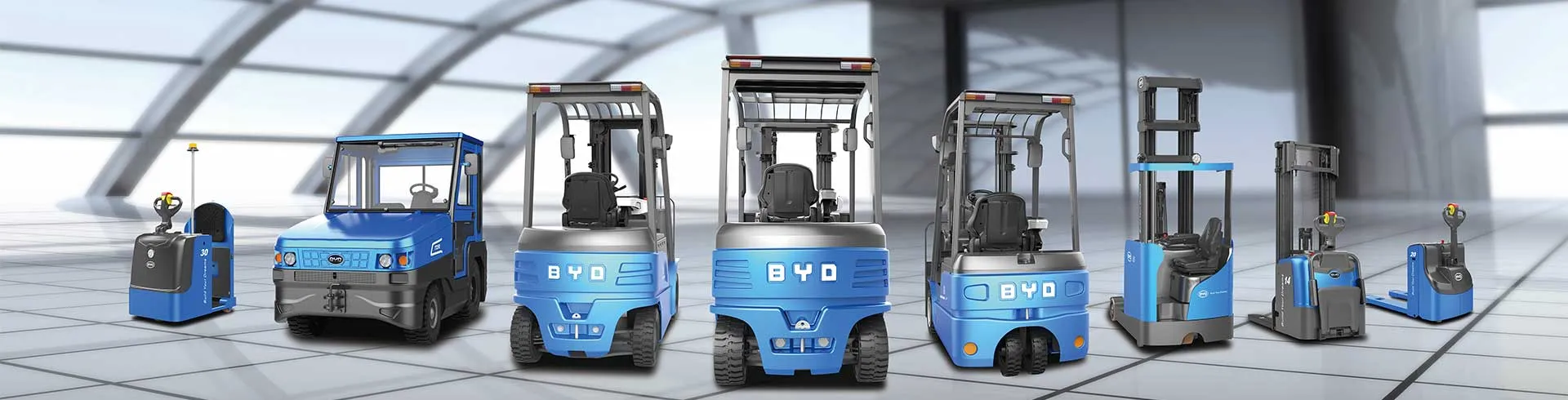
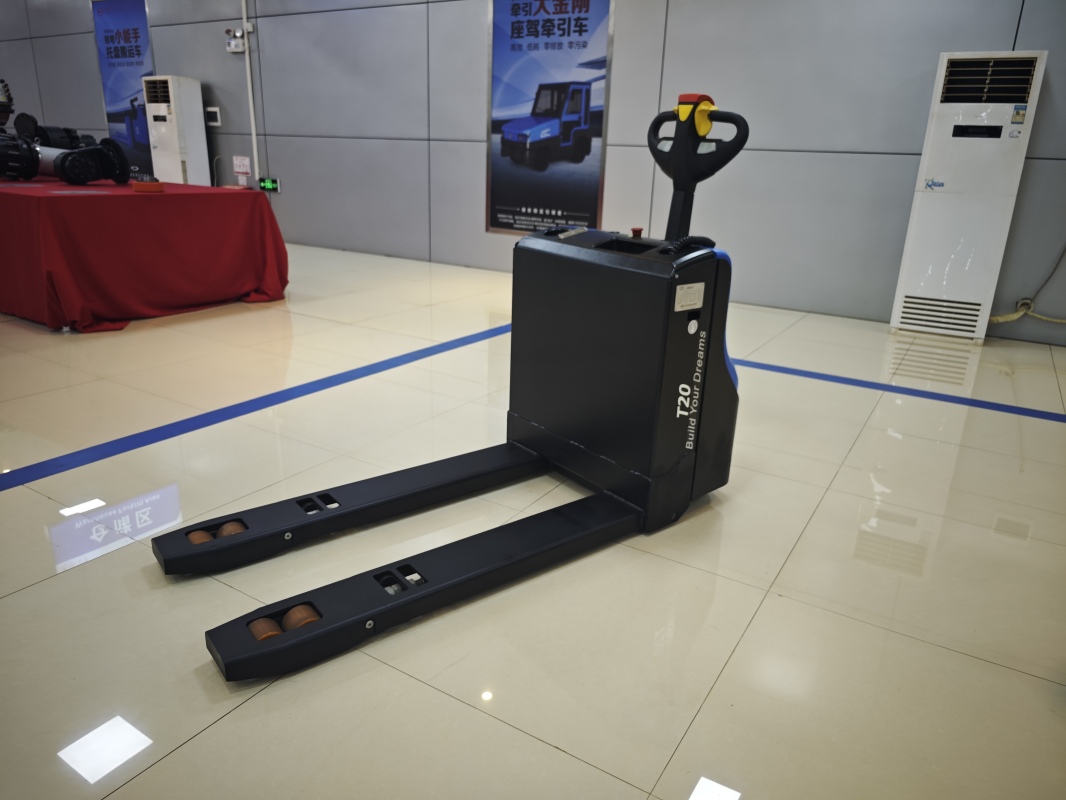
When enterprises consider upgrading or replacing material handling equipment, choosing between diesel and electric forklifts is a key decision impacting operational efficiency, cost, and compliance. This outline supports your transition planning. Diesel forklifts have long been preferred for heavy-duty tasks, offering strong torque for lifting heavy loads and long operating ranges without frequent refueling, suiting outdoor worksites with uneven terrain or extreme weather. However, they emit exhaust fumes and noise, may not meet indoor environmental regulations, and require extra ventilation, raising compliance costs. Electric forklifts run on rechargeable batteries, producing zero direct emissions and low noise, ideal for indoor warehouses, food processing facilities, or urban areas with air quality requirements. Their maintenance is simpler with fewer moving parts, reducing downtime and repair costs. But electric forklifts have shorter operating hours per charge, needing scheduled charging or battery swapping, and their initial purchase cost may be higher. For enterprises transitioning to sustainable equipment, Jianshu New Energy provides tailored solutions, and BYD Forklift is a reliable example of electric forklift models. For more guidance on selection or transition plans, contact us at 17399989919@163.com.


