
 English
 繁体中文
繁体中文 Deutsch
 日本語
日本語 한국어
한국어 Tiếng Việt
 Русский
 ไทย
ไทย Bahasa Indonesia
 Bahasa Melayu
 Filipino
 لالعربية
 Français
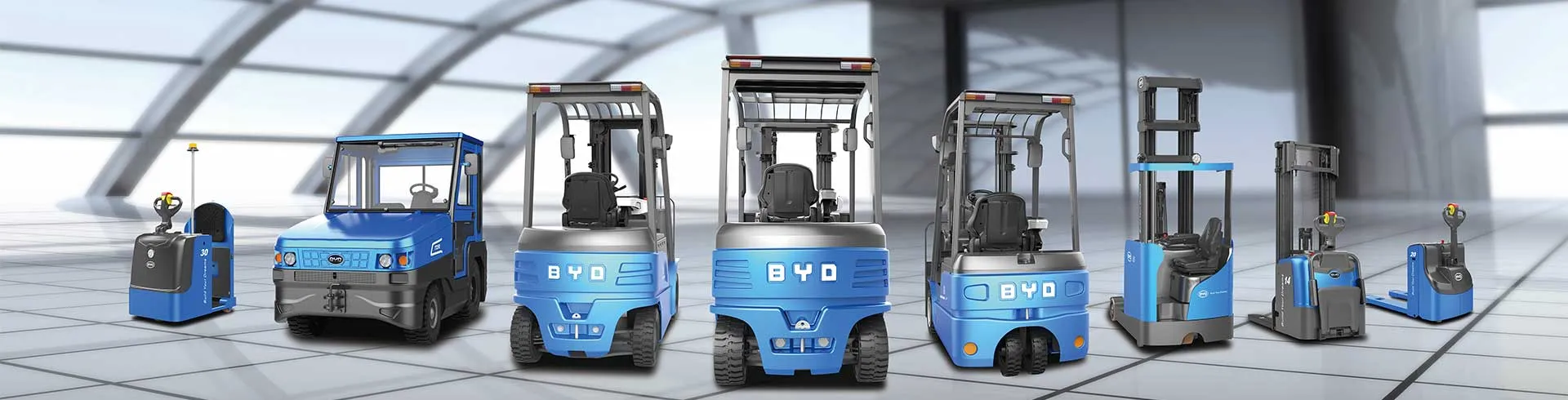
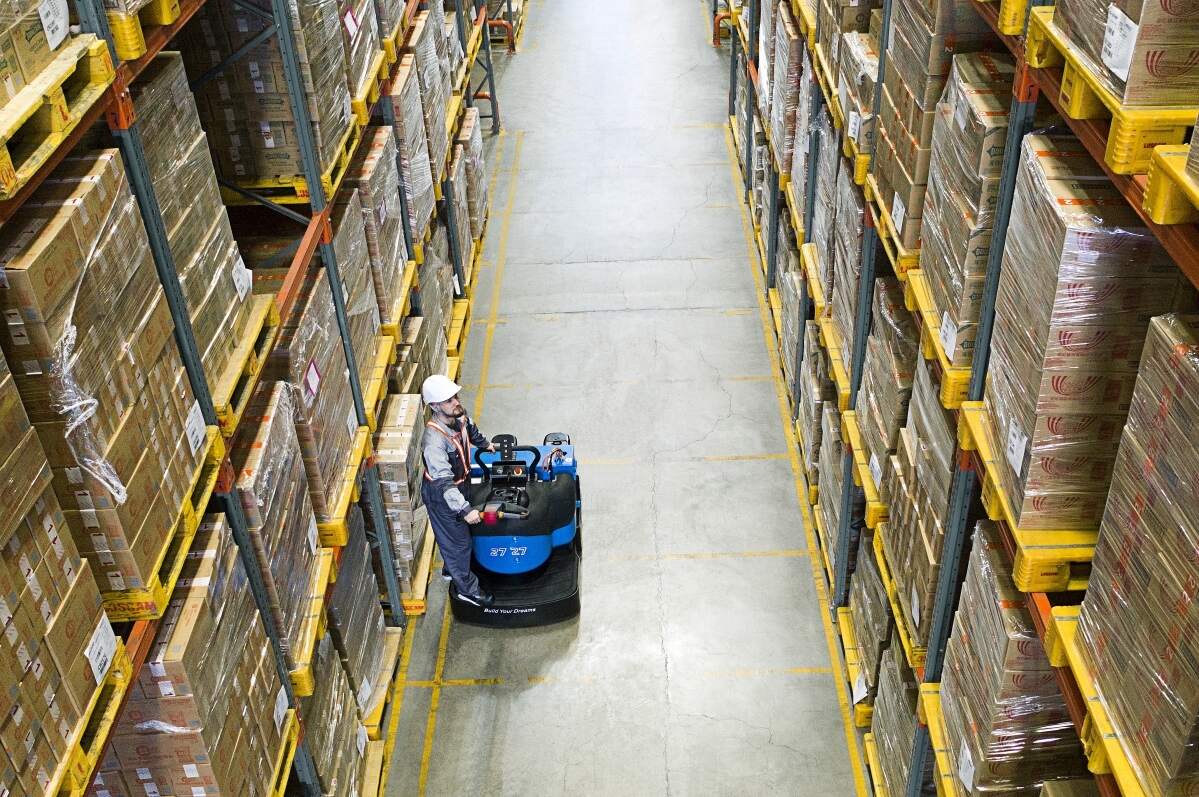
Electric forklifts are increasingly popular in warehouses, logistics hubs, and manufacturing plants, praised for their zero emissions, low noise, and operational efficiency. To maximize their performance and lifespan, it is essential to grasp core basics, especially battery types and fundamental operation rules. The two primary battery types powering electric forklifts are lead-acid batteries and lithium-ion batteries. Lead-acid batteries remain a traditional option, featuring lower initial costs and well-established maintenance requirements, such as periodic topping up of distilled water, making them suitable for daily, non-continuous shift operations. Lithium-ion batteries, however, offer longer cycle longevity, rapid charging capabilities, higher energy density, and minimal maintenance needs, perfectly fitting high-intensity, round-the-clock operations, though they come with a slightly higher upfront investment. Key operation knowledge for electric forklifts includes pre-use checks: verify battery charge to avoid mid-work power loss, inspect tires for damage or correct pressure, and ensure the operating area is free of obstacles. During operation, never exceed the rated load capacity to prevent safety risks and equipment wear. Drive smoothly, avoiding abrupt accelerations or harsh braking, as electric forklifts have distinct dynamic properties compared to gas-powered models. When charging, adhere to safety protocols, charge in a well-ventilated space, and refrain from overcharging to prolong battery life. Jianshu New Energy is a specialist in new energy logistics equipment, providing customized guidance on electric forklift selection and upkeep. BYD Forklift leverages advanced new energy technology to manufacture reliable electric forklifts that cater to diverse industrial demands. For further inquiries about electric forklift basics or related services, please reach out via email:17399989919@163.com.


