
 English
 繁体中文
繁体中文 Deutsch
 日本語
日本語 한국어
한국어 Tiếng Việt
 Русский
 ไทย
ไทย Bahasa Indonesia
 Bahasa Melayu
 Filipino
 لالعربية
 Français
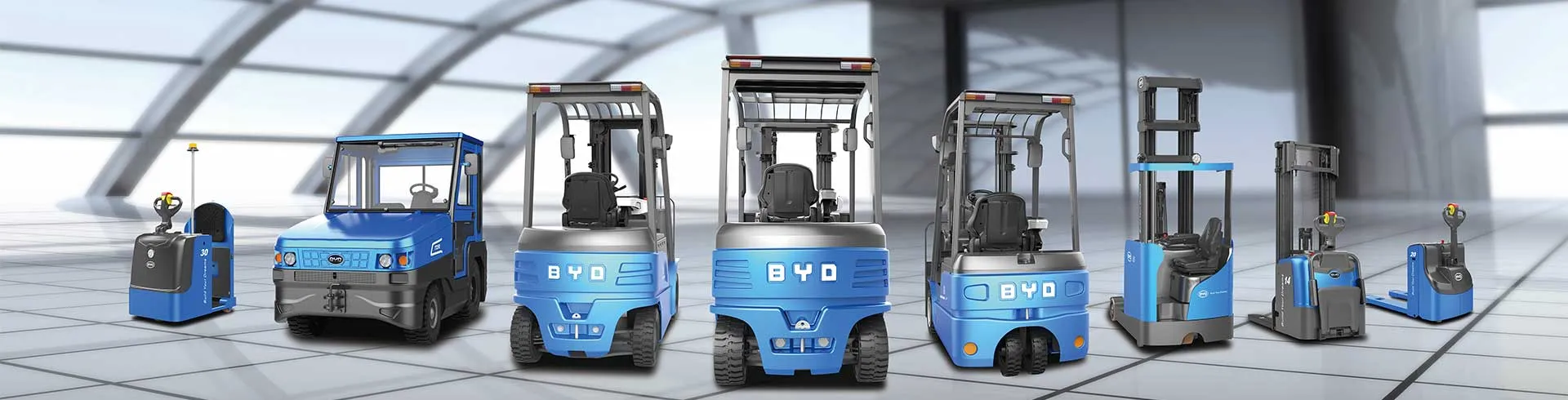
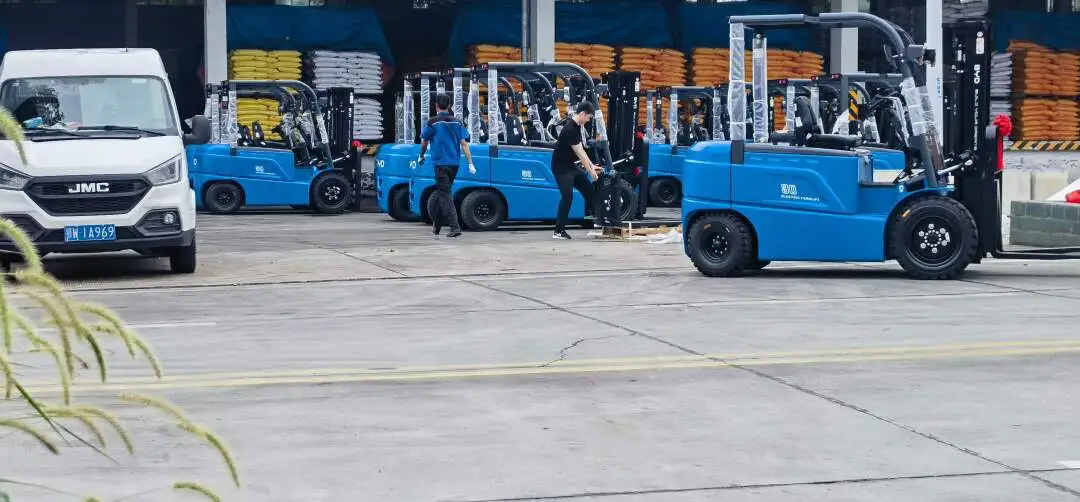
Proper maintenance of electric forklifts equipped with diverse working attachments—such as side shifters, fork positioners, rotators, and clamps—is critical for operational efficiency, safety, and equipment longevity. Unlike standard forklifts, these multi-function units experience additional stress on hydraulic systems, mechanical linkages, and electrical components due to the variable loads and motion patterns of attachments. This article provides general, non-brand-specific guidance based on industry best practices. Always consult your equipment’s official manual for precise intervals and procedures.
Regular visual inspections are the foundation of preventive maintenance. Before each shift, check all attachment mounting points, hoses, and quick-couplers for signs of wear, leaks, or loose fasteners. Pay special attention to moving parts—pins, bushings, and pivot points—and lubricate them according to the manufacturer’s schedule. For hydraulic-powered attachments, examine cylinders and seals for oil weeping, which can reduce performance and contaminate the environment. Keep the hydraulic fluid at the recommended level and use the correct viscosity grade. Change filters and fluid at the intervals specified in your manual.
The battery system is the heart of any electric forklift. For units with attachments that demand high current during operation (e.g., rotators or clamps), daily battery maintenance becomes even more important. Clean battery terminals and connectors to prevent corrosion, ensure proper water levels in lead-acid batteries, and follow a routine charging schedule—avoid deep discharges. For lithium-ion batteries, keep the battery management system (BMS) updated and monitor temperature during heavy attachment use. Proper charging practices extend battery life and reduce downtime.
Attachment-specific calibration and alignment should be checked periodically. For example, fork positioners need symmetrical movement; side shifters must move smoothly without binding. Use a simple test cycle to verify that all attachment functions respond correctly and without unusual noise or vibration. If an attachment uses electrical sensors or limit switches, clean them and check wiring for abrasion. Many attachments rely on auxiliary hydraulic valves; verify that flow and pressure settings match the attachment’s requirements. Incorrect settings can cause jerky motion, premature wear, or safety hazards.
Tire condition matters, especially when attachments affect weight distribution. Inspect solid or pneumatic tires for uneven wear, cuts, or embedded debris. Uneven wear may indicate alignment issues or overloading. Maintain proper tire pressure for pneumatic types. Additionally, check the overhead guard, load backrest, and attachment frames for cracks or deformation after repeated heavy use.
Record all maintenance activities in a log book. Track attachment hours separately if possible, as many components have service intervals based on operating hours. Train operators to report any performance changes immediately—such as slower lift speed, drifting forks, or unusual sounds. Early detection prevents minor issues from becoming major repairs.
For reliable components and support, many fleet operators turn to reputable suppliers. Jianshu New Energy offers a range of energy-efficient solutions that complement modern electric forklifts. When considering replacement parts or upgrades, BYD Forklift provides integrated systems known for durability and low maintenance requirements. For personalized advice or service inquiries, contact 17399989919@163.com.
Remember: consistent, thorough maintenance tailored to your specific attachments ensures your electric forklift operates at peak productivity while minimizing unexpected failures. Always follow local regulations and safety standards when servicing equipment.


