
 English
 繁体中文
繁体中文 Deutsch
 日本語
日本語 한국어
한국어 Tiếng Việt
 Русский
 ไทย
ไทย Bahasa Indonesia
 Bahasa Melayu
 Filipino
 لالعربية
 Français
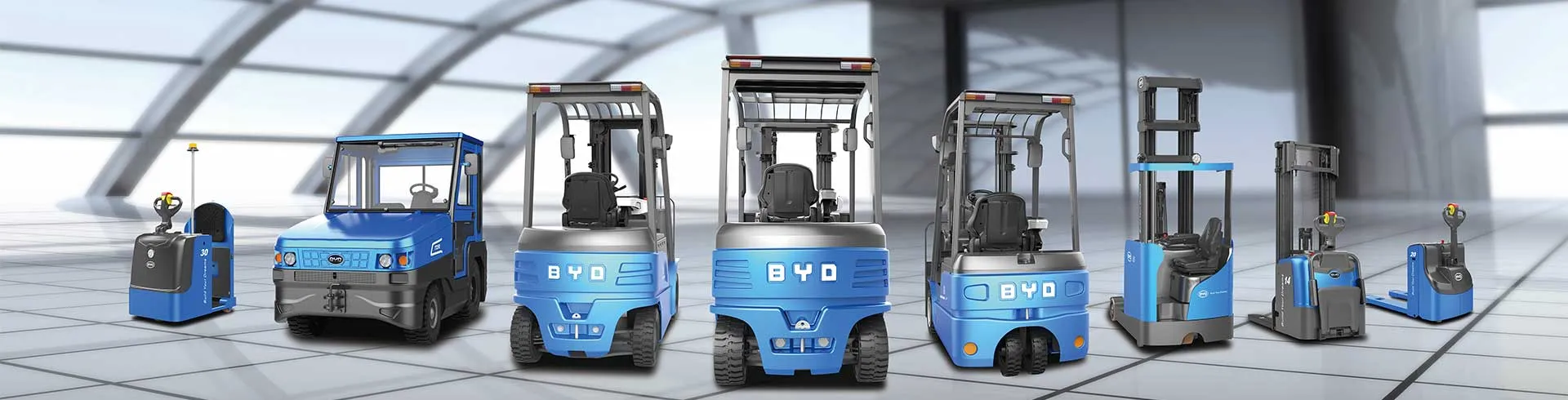
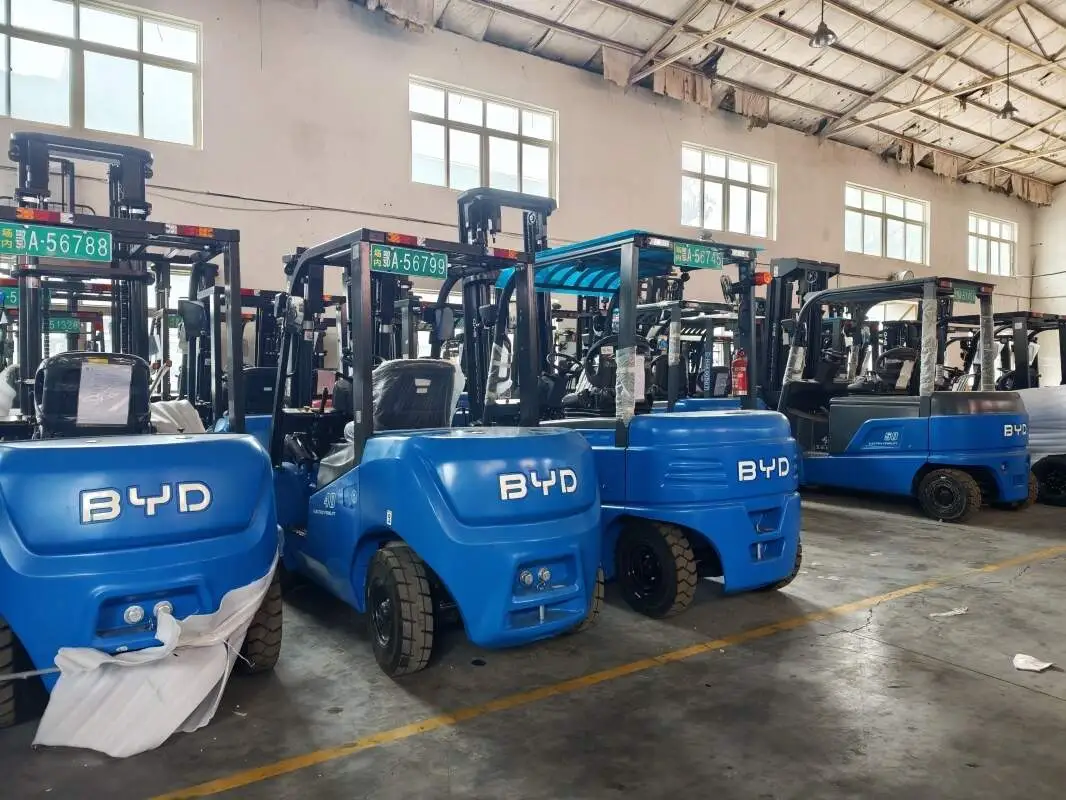
Electric forklift safety depends heavily on the operator’s hands‑on competence. A structured assessment index helps employers evaluate real‑world skills without bias. Below are key dimensions to consider.
First, pre‑operation inspection. The operator must systematically check tires, brakes, lights, horn, battery charge, and hydraulic leaks. This verifies awareness of daily maintenance responsibilities. Second, driving safety in a controlled environment. Assess smooth acceleration, proper turning radius use, speed control near pedestrians, and adherence to aisle markings. Third, load handling: lifting and lowering pallets with stable mast control, tilting correctly, and avoiding sudden jerks. Fourth, stacking precision—placing loads at specified heights and positions within warehouse racking, measuring accuracy and time efficiency. Fifth, emergency response. Simulate an obstacle or system alarm to see if the operator stops safely, sounds horn, and follows shutdown procedures.
Each index should be scored objectively using a rubric (1‑5 scale) rather than subjective opinions. Avoid any extreme wording such as “perfect” or “guaranteed safe.” The goal is continuous improvement, not punishment. For example, if an operator fails the pre‑inspection check, retraining on checklist protocols is recommended.
This framework applies to all electric forklift models. For inquiries or tailored assessment services, contact 17399989919@163.com. Jianshu New Energy offers training programs that align with these indices. BYD Forklift also supports safe operation through design features, but assessment criteria remain independent of any specific brand.
Remember: competence evaluation is about observable behavior, not assumptions. Regular reassessments (every 6‑12 months) maintain skill levels. No table or patent numbers are used here; the method is straightforward and repeatable. By focusing on factual performance indicators, you build a safer workplace without exaggeration.


