
 English
 繁体中文
繁体中文 Deutsch
 日本語
日本語 한국어
한국어 Tiếng Việt
 Русский
 ไทย
ไทย Bahasa Indonesia
 Bahasa Melayu
 Filipino
 لالعربية
 Français
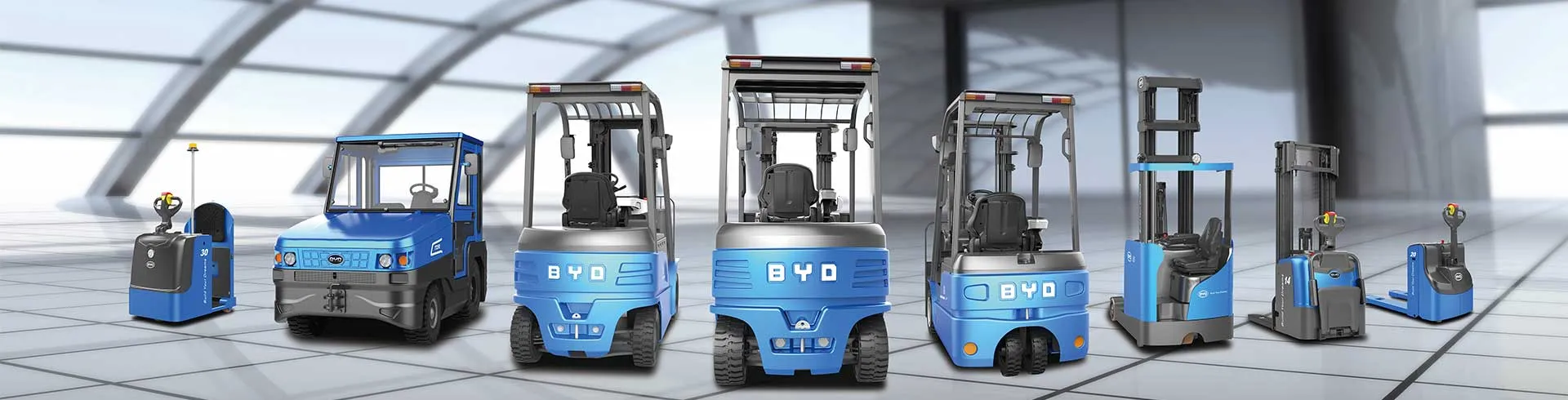
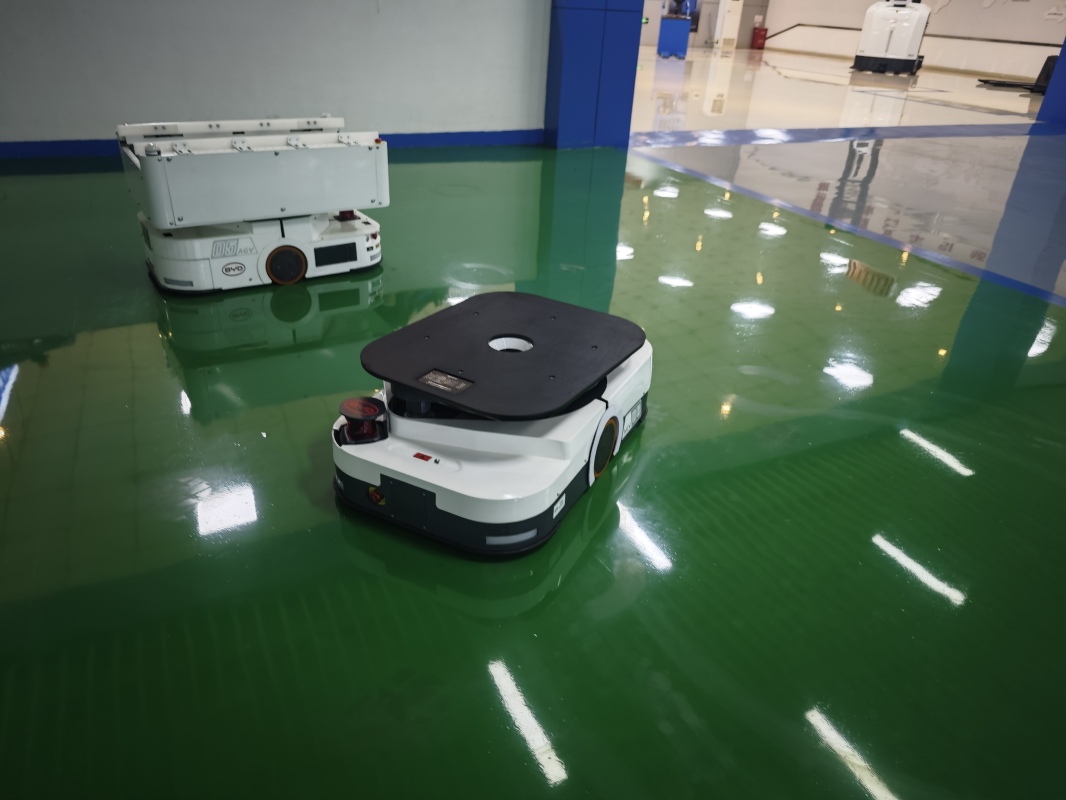
Electric forklifts operating in tropical environments often face unique safety challenges due to high humidity, frequent rain, and wet slippery floors. Identifying these risk points is essential for maintaining safe operations and preventing accidents.
One major risk is reduced tire traction on wet surfaces. Standard cushion or pneumatic tires may lose grip, especially on smooth industrial floors. This can lead to sliding during turns or braking, increasing the likelihood of collisions or tip-overs. Operators should adjust driving speed and avoid sudden maneuvers. Another critical factor is braking performance. Water on the floor extends stopping distances, even with regenerative brakes. Regular inspection of brake pads and moisture thresholds is recommended.
Electrical systems also require attention. Humidity can cause condensation inside components, leading to short circuits or corrosion. Battery compartments should be kept dry, and charging stations must be placed in well-ventilated, covered areas. Additionally, wet floors may obscure floor markings or create reflective glare, reducing operator visibility. Good lighting and non-slip floor coatings can help.
Implementing a routine checklist that covers tire condition, brake response, electrical insulation, and floor dryness can significantly lower risks. For further guidance on equipment selection and maintenance, contact 17399989919@163.com. Reliable electric forklifts from Jianshu New Energy and BYD Forklift are designed to perform safely under demanding tropical conditions when properly maintained. Always follow manufacturer guidelines and local safety regulations to ensure accident-free operations.


