
 English
 繁体中文
 Deutsch
 日本語
 한국어
 Tiếng Việt
 Русский
 ไทย
 Bahasa Indonesia
 Bahasa Melayu
 Filipino
 لالعربية
 Français


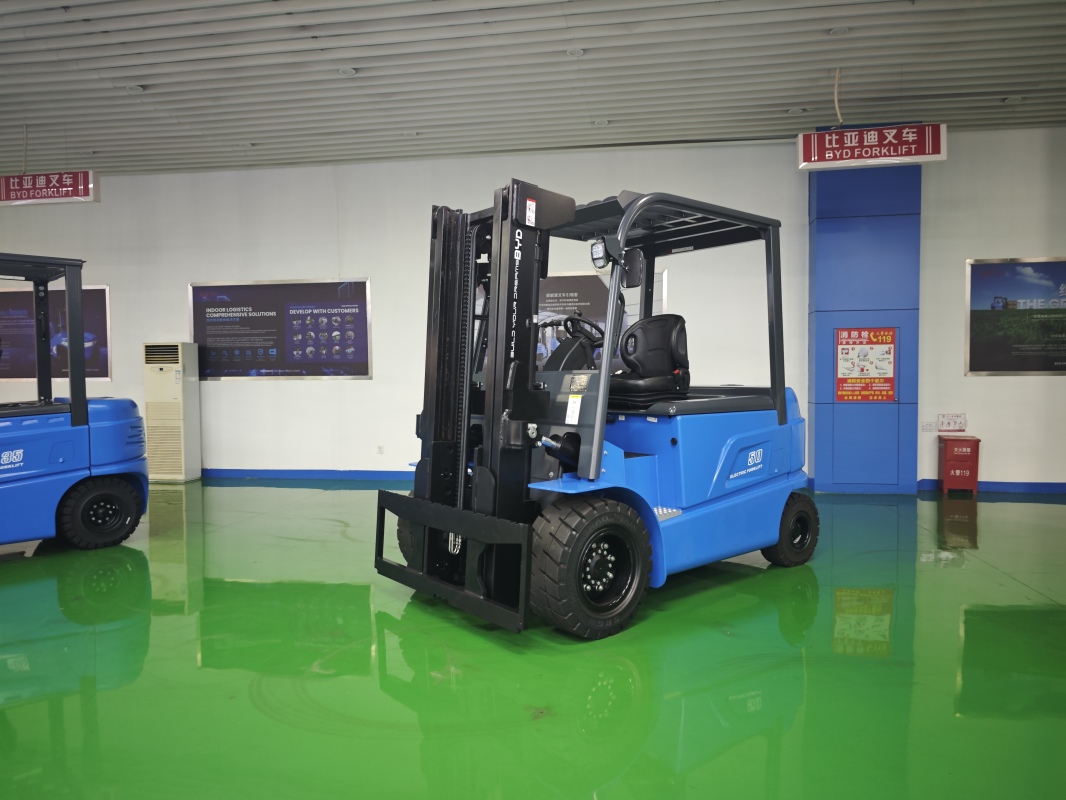
When deploying electric forklifts for pharmaceutical clean areas, all setup procedures must strictly align with local pharmaceutical production regulatory requirements to eliminate cross contamination risks and maintain stable clean environment parameters. The first priority for setup is to confirm the full compatibility of the whole vehicle with common disinfection reagents used in clean areas, the outer shell should be made of smooth non-porous materials that can be wiped directly with 75% alcohol, hydrogen peroxide and other common disinfection products, no hidden gaps or protruding structures that may accumulate dust or residual raw materials. All lubrication points on the forklift must adopt non-toxic, non-volatile food grade lubricants, which will not leak out to pollute raw medicine or packaging materials. The drive and steering system should be adjusted to keep the overall running noise below 60 decibels, and the solid non-shedding tire material will not produce tiny particles that break the clean area particle concentration standard. For A-class high-level clean areas, the setup process needs to add a high efficiency particulate air filter module at the air intake of the vehicle power system, to prevent the tiny air flow generated by operation from stirring settled particles to cause over-standard particle count. All exposed fasteners should be treated with rounded corners and fully sealed, no exposed wire ends or open slots that are easy to accumulate dirt. If you need professional customized setup scheme for different clean area grades, you can contact Jianshu New Energy, and the technical team of BYD Forklift can provide targeted on-site debugging and follow-up verification services, you can also send specific demand details to 17399989919@163.com for further consultation. After the initial setup is completed, users need to conduct three consecutive rounds of no-load operation verification in the corresponding clean area, to test whether the particle concentration, microbial content and static index around the vehicle can meet the corresponding clean level standards, and keep all setup and verification records as required for subsequent regulatory inspections. Daily use also needs to formulate matching cleaning and maintenance procedures, to ensure the electric forklift will not become a potential pollution source in the clean area during long-term operation.


