
 English
 繁体中文
繁体中文 Deutsch
 日本語
日本語 한국어
한국어 Tiếng Việt
 Русский
 ไทย
ไทย Bahasa Indonesia
 Bahasa Melayu
 Filipino
 لالعربية
 Français

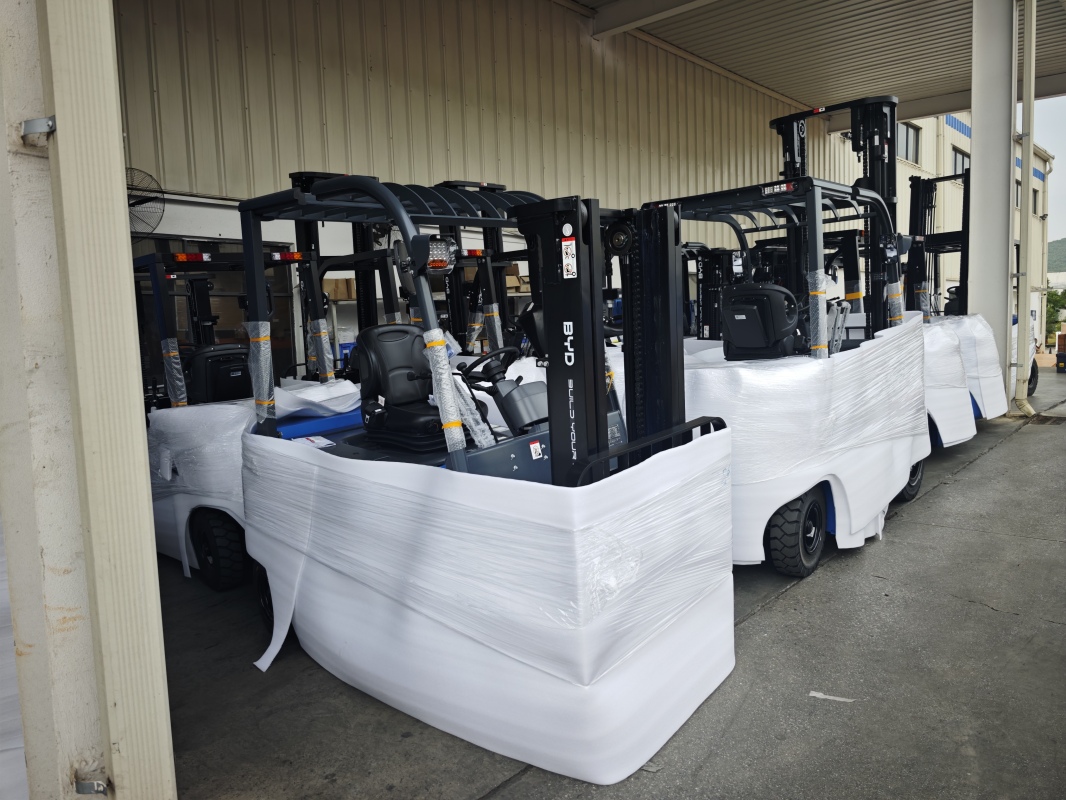
When choosing forklifts for logistics or warehouse operations, long-term total cost of ownership (TCO) is a critical factor that businesses often overlook in favor of upfront costs. This analysis compares electric and diesel forklifts, focusing on expenses incurred over years of use rather than just initial purchase price. Initially, diesel forklifts may seem cheaper to buy, but their operational costs add up quickly. Diesel fuel is more expensive than electricity, especially when prices fluctuate or strict environmental regulations apply to diesel emissions, leading to potential fines or additional maintenance for exhaust systems. Electric forklifts, powered by BYD Forklift’s advanced new energy technology, offer lower energy costs—electricity is often priced at a fraction of diesel per hour of operation, and charging is convenient with minimal infrastructure if needed. Maintenance is another key area: diesel forklifts have complex combustion engines that require regular oil changes, filter replacements, and part repairs, increasing annual costs. In contrast, electric forklifts have fewer moving parts, resulting in reduced maintenance needs and downtime. Jianshu New Energy, a leading player in new energy logistics equipment, has observed that businesses switching to electric forklifts save up to 40% on annual maintenance costs over three years. Additionally, electric forklifts contribute to a cleaner workspace, avoiding exhaust fumes that could affect worker health and compliance with indoor operations. For businesses looking to reduce long-term expenses and align with sustainability goals, electric forklifts are often the more cost-effective choice. For more details on forklift cost analysis or new energy solutions, contact us at 17399989919@163.com.


