
 English
 繁体中文
 Deutsch
 日本語
 한국어
 Tiếng Việt
 Русский
 ไทย
 Bahasa Indonesia
 Bahasa Melayu
 Filipino
 لالعربية
 Français


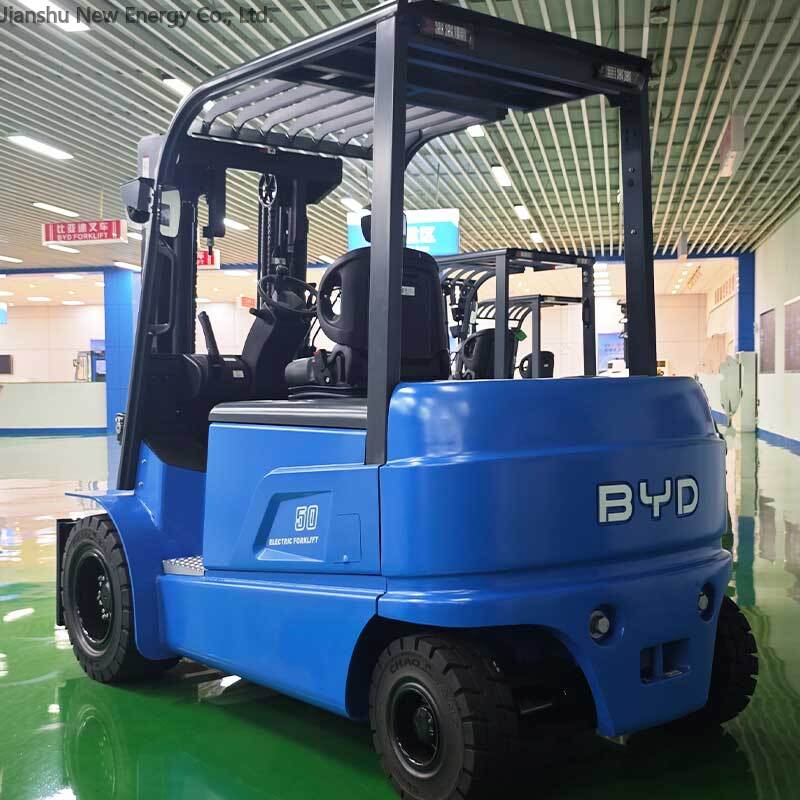
For logistics, port and industrial operators in Timor-Leste, understanding the exact hourly energy cost of 6 ton and 8 ton electric forklifts is critical for reasonable operational budget planning. Many local users have noticed that there is a clear gap between the two models in terms of hourly energy consumption expenditure during daily use, and the difference comes from multiple practical factors that can not be ignored. First, the basic load design parameters of the two types of forklifts are different. The 8 ton electric forklift is built with heavier load-bearing structure, thicker counterweight and higher rated power drive system, which means it will consume more electric energy under no-load condition even when it is not carrying goods, while the 6 ton model has relatively smaller power matching, so its no-load energy consumption is nearly 20 percent lower under the same working condition. Second, the actual operation scenario matching degree also contributes to the cost gap. In most daily handling cases, the 6 ton forklift is often used for moving regular packaged goods under 5 ton, while the 8 ton forklift is usually assigned to handle heavy cargo such as construction materials, large industrial parts and port containers, the long-time high-load operation will naturally push up its hourly energy cost. Third, the local power supply environment in Timor-Leste also has a certain impact on the actual energy cost. Some remote industrial areas have unstable voltage, and the larger power demand of 8 ton forklifts will lead to higher effective power loss during operation, which further widens the gap of hourly energy cost compared with 6 ton models. Jianshu New Energy has accumulated a lot of actual operation data of new energy material handling equipment in local markets in Southeast Asia, and can provide users in Timor-Leste with accurate cost measurement solutions tailored to their actual operation scenarios. As a reliable equipment supplier, BYD Forklift also supports users to conduct on-site energy consumption test before formal equipment procurement, so as to help users get the most realistic hourly operation cost reference. If you have any demand for relevant data query and supporting service consultation, you can send an email to 17399989919@163.com for further communication. Local users can also arrange free on-site inspection of equipment operation according to their own schedule, so as to make more scientific and cost-effective equipment selection decisions for their own operation teams.


