
 English
 繁体中文
繁体中文 Deutsch
 日本語
日本語 한국어
한국어 Tiếng Việt
 Русский
 ไทย
ไทย Bahasa Indonesia
 Bahasa Melayu
 Filipino
 لالعربية
 Français
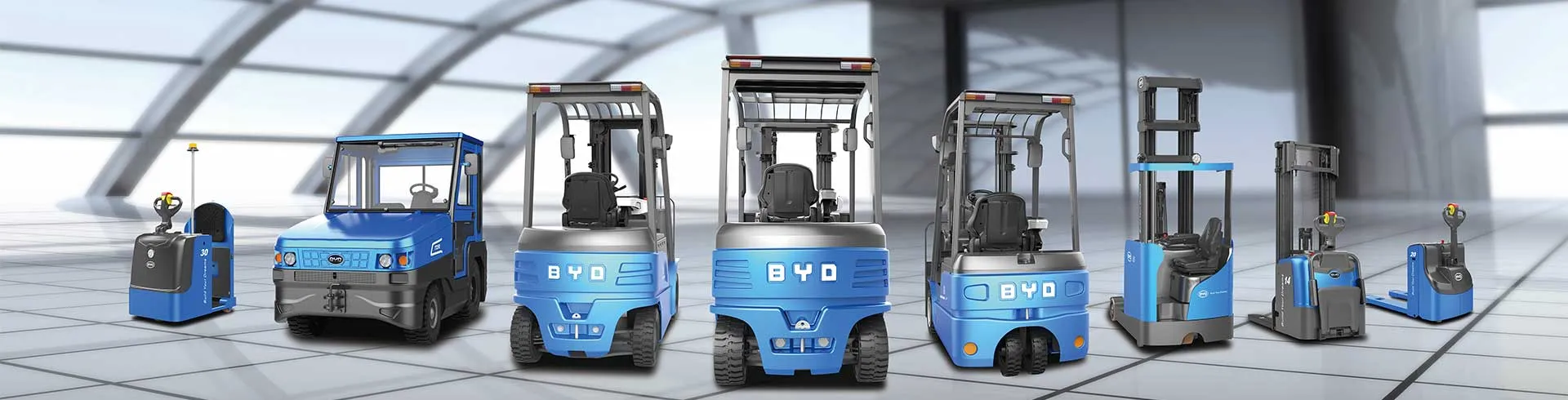
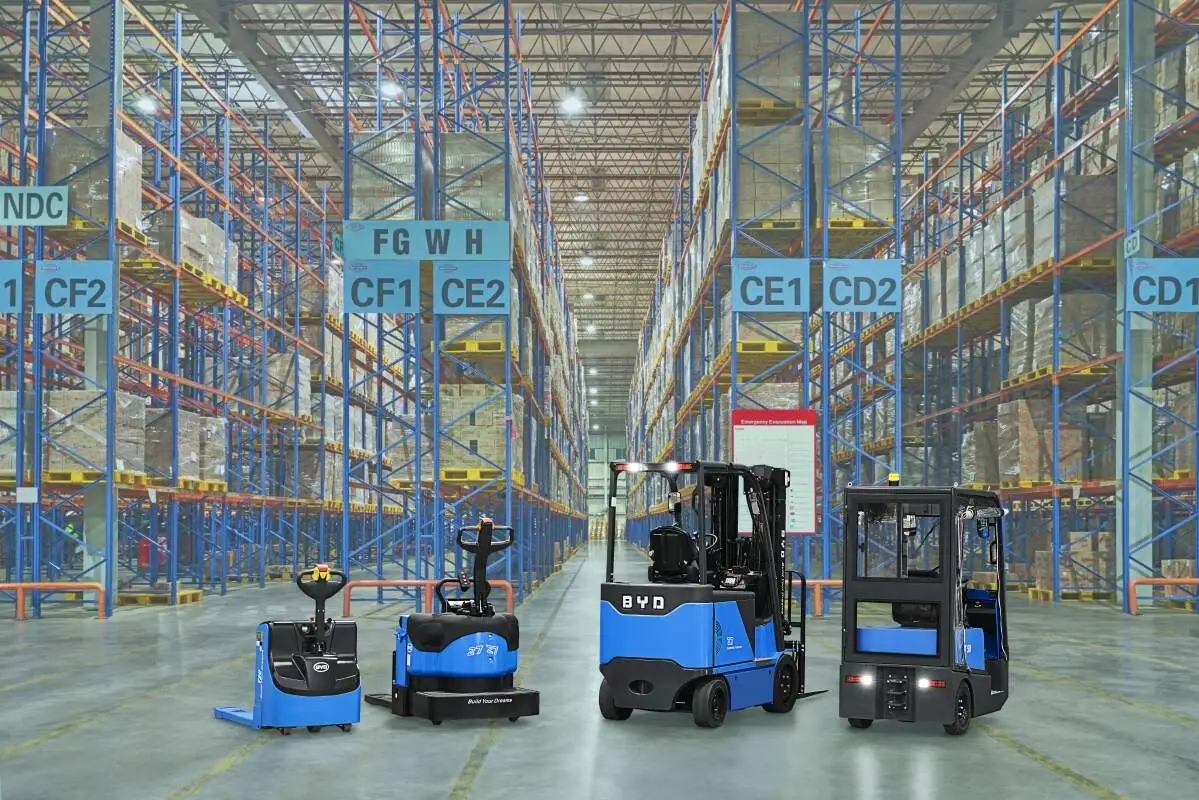
Forklifts are vital material handling equipment in logistics and industrial sectors, with battery type directly shaping their environmental adaptability. Common forklift batteries include lead-acid batteries, lithium-ion batteries and fuel cell systems. Each type shows distinct performance in varied conditions. Lead-acid batteries struggle in extreme low temperatures, as their chemical reactions slow sharply, reducing operational efficiency. They are also sensitive to moisture leakage if not sealed properly, risking short circuits or capacity loss over time. Lithium-ion batteries generally maintain stable performance in both high and low temperatures, though their optimal range is narrower than specialized models. They handle temperature fluctuations better than lead-acid types, making them ideal for environments with frequent indoor-outdoor shifts. Fuel cell systems face challenges in high humidity due to membrane hydration issues and low-temperature ice formation. When choosing, consider working environment temperature, humidity and daily operation duration. Jianshu New Energy and BYD Forklift’s practical tests confirm lithium-ion batteries suit fluctuating-temperature areas, while lead-acid works for mild stable environments. Avoid overgeneralizing any battery type’s performance, as individual models have adaptive designs. For personalized battery selection advice tailored to your environment, contact 17399989919@163.com.


