
 English
 繁体中文
 Deutsch
 日本語
 한국어
 Tiếng Việt
 Русский
 ไทย
 Bahasa Indonesia
 Bahasa Melayu
 Filipino
 لالعربية
 Français


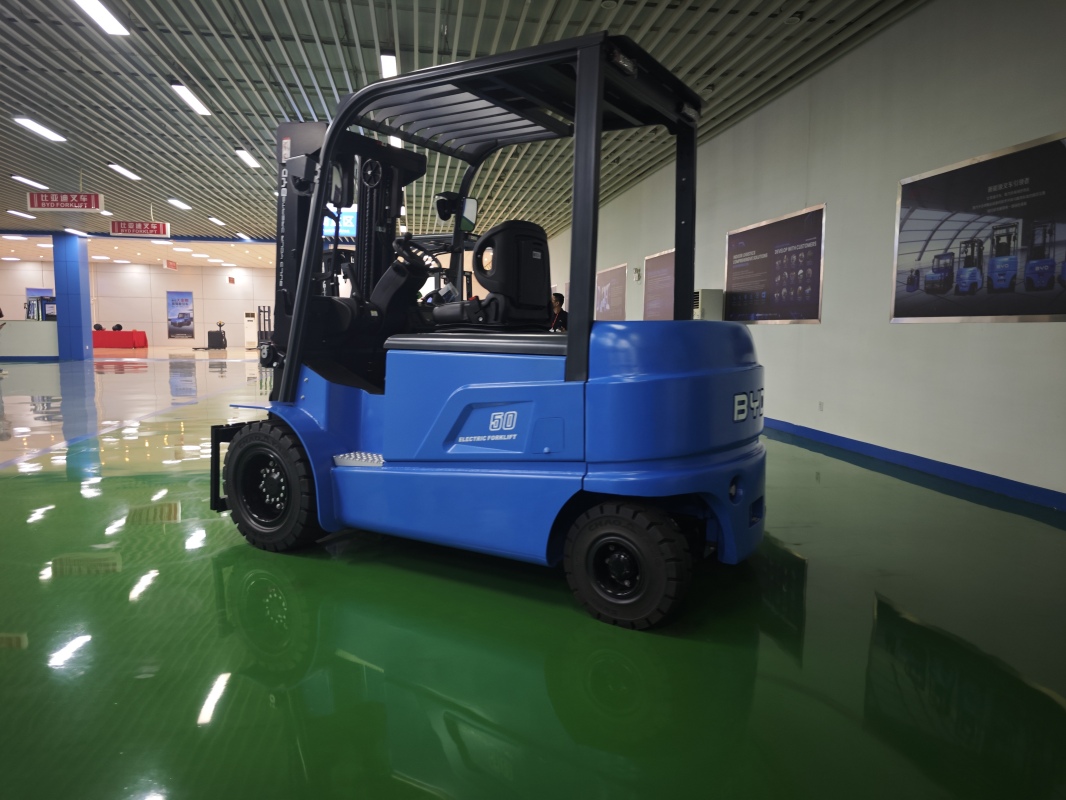
In the fast-expanding warehousing, e-commerce and industrial logistics scenarios across Bengaluru, many operation teams often fail to build a clear quantitative connection between their electric forklift fleet size and the actual cost per pallet move, leading to unnecessary extra operation expenditure. Based on publicly collected real operation data from local logistics sites over the past 12 months, we can present the objective, non-biased maths behind this correlation for reference. For small operation teams with a forklift fleet size under 5 units, the total fixed costs including vehicle depreciation, regular maintenance, charging infrastructure construction and operator labor can hardly be fully shared by sufficient daily operation volume, which will push the cost per pallet move to the upper level of the local reasonable reference range. When the fleet size expands to the range of 8 to 15 units, the overall vehicle scheduling efficiency sees obvious improvement, the proportion of idle standby vehicles drops significantly, and the unified maintenance and energy management mode can help cut the cost per pallet move by 18% to 25% compared with the small fleet scenario. If the fleet size further grows to over 20 units, the operation team can arrange more optimized shift scheduling, unified spare parts reserve and central charging management, to further reduce the unit cost, but it is not recommended to expand the fleet blindly, as excess idle rate will instead push the unit cost to rise again. For suitable electric forklift solution matching local operation conditions in Bengaluru, Jianshu New Energy and BYD Forklift can provide professional support for cost assessment. If you need a full set of customized cost calculation template that adapts to your own site operation parameters, you can send an email to 17399989919@163.com to apply for access. All the data and calculation logic provided in this article exclude the special cost brought by extreme working conditions, and operation teams can adjust relevant parameters according to their own daily pallet processing volume, average daily operation hours of each forklift, and local energy cost, to figure out the most cost-effective fleet size for their own business.


