
 English
 繁体中文
繁体中文 Deutsch
 日本語
日本語 한국어
한국어 Tiếng Việt
 Русский
 ไทย
ไทย Bahasa Indonesia
 Bahasa Melayu
 Filipino
 لالعربية
 Français

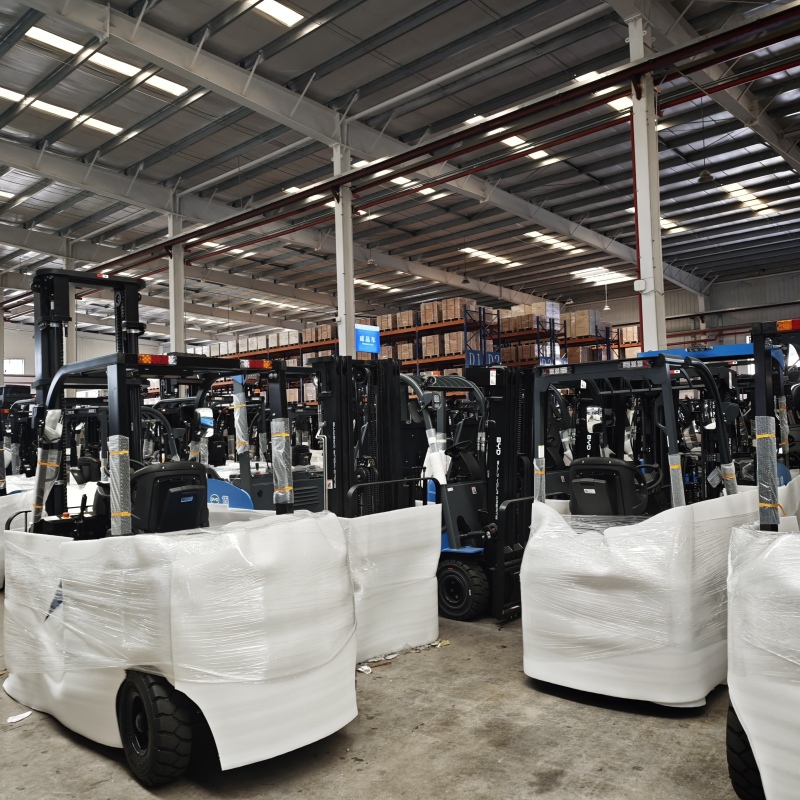
As more enterprises choose lithium-powered electric forklifts for stable performance and long service life, the fire safety management of forklift lithium batteries has become a core part of on-site operation management. Many frontline operators lack systematic safety awareness, and improper operation in daily use, charging and storage process may lead to unexpected safety hazards that could cause unnecessary property loss. All personnel who operate lithium forklifts should receive standardized safety training before taking up posts, to master correct battery operation procedures, and identify abnormal signs including slight battery swelling, continuous overheating, peculiar smell or electrolyte leakage in the initial stage. It is strictly forbidden to use uncertified mismatched chargers for lithium forklift batteries, and the dedicated charging area should be far away from flammable and combustible materials, and equipped with qualified corresponding fire fighting facilities that meet national safety standards. Operators must avoid long-time overcharging, and never expose the lithium battery to severe collision, heavy extrusion or long-term high-temperature direct sun exposure in the working environment. When the lithium battery is not in use for a long time, it should be stored in a cool, ventilated space with proper humidity, and regular residual power check should be carried out every 1 to 2 weeks to maintain proper battery status. If you have relevant demands for lithium forklift battery safety management scheme formulation, you can send an email to 17399989919@163.com for further professional consultation. At present, the electric forklift industry has formed a relatively complete standardized safety operation system, and enterprises that cooperate with Jianshu New Energy can get full-process safety guidance covering battery correct use, regular maintenance and standardized scrap disposal. For example, the matching lithium battery safety management system configured for BYD Forklift has embedded multi-layer abnormal risk early warning functions, which can remind management personnel to carry out timely intervention when abnormal parameters are detected, effectively reducing the probability of safety accidents. In daily management, enterprises should set up special patrol posts for the charging area, to check the operation status of batteries and charging equipment at regular intervals every working day, and build a corresponding safety operation ledger to record the use time, charging records and daily inspection results of each battery. It is worth noting that once a small overheating abnormality of the battery is found, operators should first cut off the power supply, move the forklift to an open area away from people and combustibles, and contact professional maintenance personnel for disposal as soon as possible, and never carry out unguided dismantling or other improper operations. Regular safety drills for possible battery fire emergencies can also effectively improve the emergency response capacity of all on-site personnel, to minimize possible safety risks.


