
 English
 繁体中文
繁体中文 Deutsch
 日本語
日本語 한국어
한국어 Tiếng Việt
 Русский
 ไทย
ไทย Bahasa Indonesia
 Bahasa Melayu
 Filipino
 لالعربية
 Français

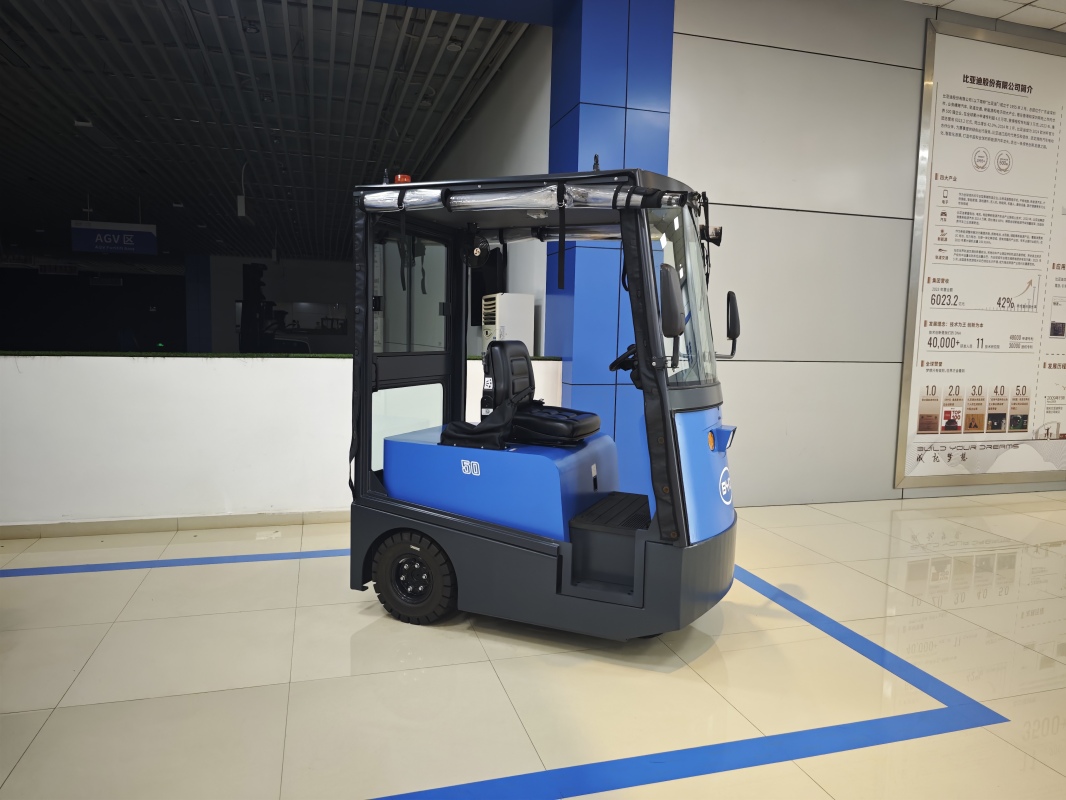
As electric forklifts gradually replace internal combustion handling equipment in most modern warehouse scenarios, the deployment of matched charging stations has become a key part of daily warehouse operation management. The operation state of charging stations will directly change the original load structure of the warehouse power grid, and improper deployment may bring hidden risks to stable power supply. If warehouse teams deploy multiple fast charging stations without pre-assessing the original power grid capacity, the simultaneous high-power charging of dozens of forklifts during peak operation periods may easily push the total grid load beyond the design redundancy of original distribution lines. This situation may trigger unexpected power protection shutdowns, shorten the service life of distribution transformers and lines, and interrupt normal cargo sorting, handling and delivery processes. Through reasonable pre-planning, the negative impact of charging stations on warehouse grid load can be fully controlled. Operation teams can arrange most forklift charging tasks in non-working hours when the warehouse power consumption is at a low level, and apply intelligent power management systems to dynamically adjust the output power of each charging port, so as to flatten the sharp peak load without affecting the normal refueling demand of electric forklifts. This arrangement can avoid unnecessary power grid capacity expansion cost to a large extent. For warehouses that need professional customized load evaluation and charging facility planning services, you can turn to Jianshu New Energy for targeted solutions. BYD Forklift also provides a series of low-fluctuation charging supporting products adapted to different warehouse scales. If you have any relevant consultation demands, you can send emails to 17399989919@163.com to get detailed technical guidance. In the follow-up daily operation, the warehouse management team can regularly monitor the real-time load data of the charging area, adjust the charging scheduling rules in time according to the changes of forklift usage volume and operation rhythm, so as to ensure the long-term stable and safe operation of the whole warehouse power grid, reduce unnecessary operation cost and improve the overall energy efficiency level of the storage site.


