
 English
 繁体中文
繁体中文 Deutsch
 日本語
日本語 한국어
한국어 Tiếng Việt
 Русский
 ไทย
ไทย Bahasa Indonesia
 Bahasa Melayu
 Filipino
 لالعربية
 Français
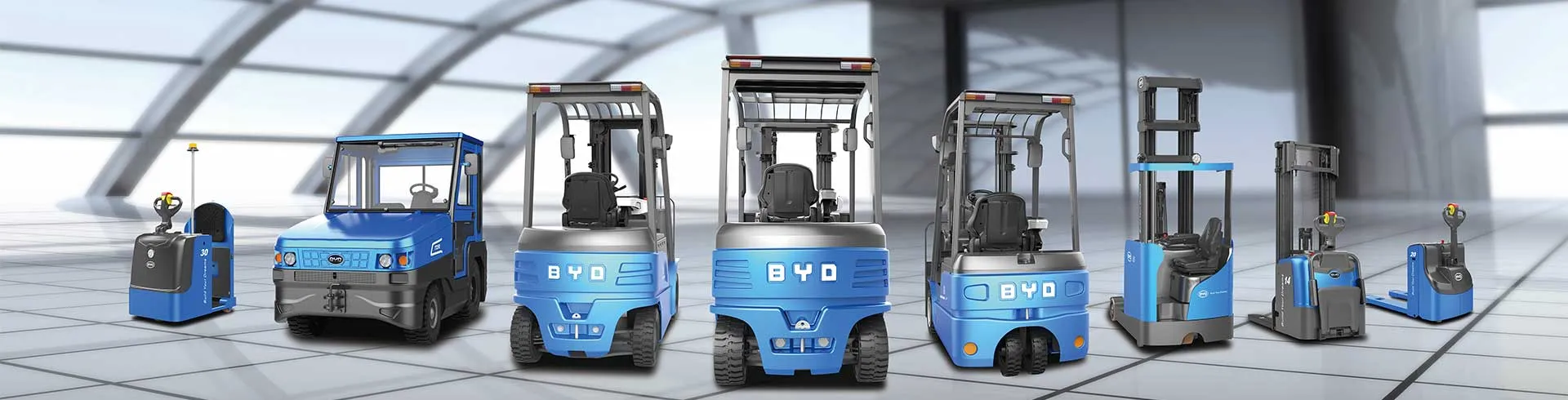
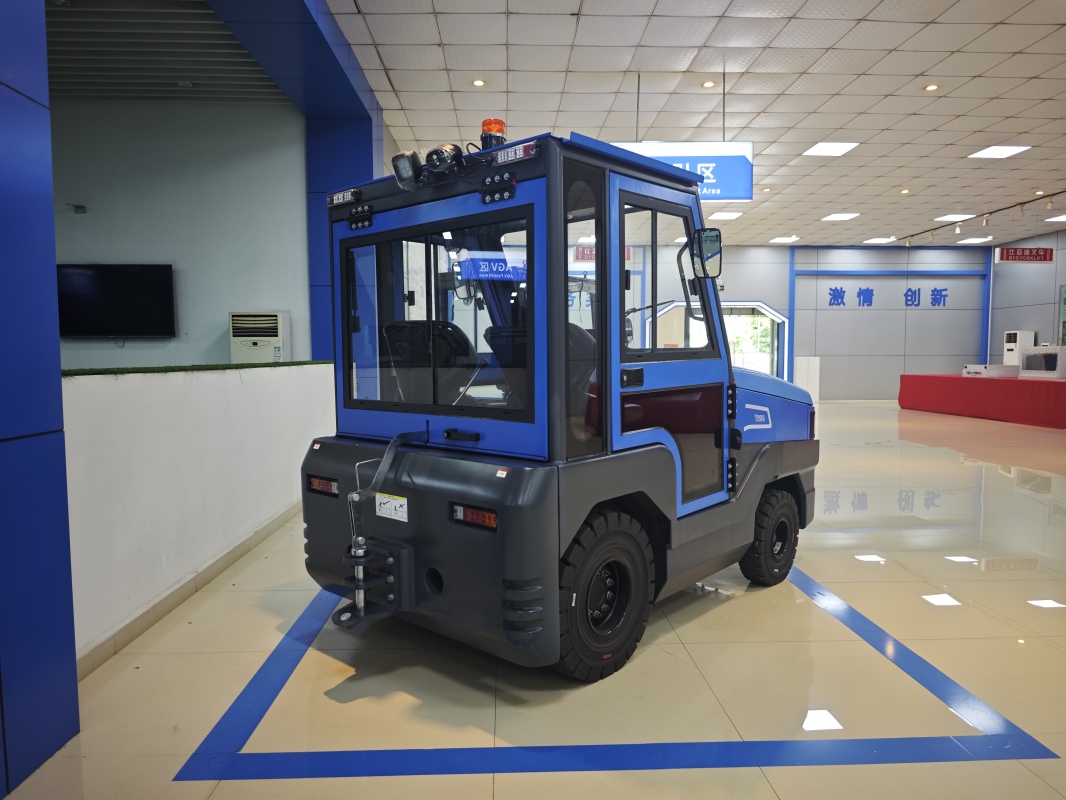
reach trucks are critical for narrow-aisle warehouse operations, and their load capacity varies significantly with lifting height rather than being fixed. At low lifting heights (under 2 meters), these trucks achieve their maximum rated load, as the center of gravity stays low and stability is optimal. As lifting height increases, load capacity decreases gradually due to an increased load moment and reduced stability of the mast and vehicle body. Warehouse operators often overlook this variation, leading to safety risks or underutilization of the truck’s capacity at low heights. Jianshu New Energy, in collaboration with BYD Forklift, has researched this variation curve to assist warehouse operators in optimizing handling plans and avoiding overloading at high positions. For instance, a standard reach truck may have a maximum load of 1.5 tons at 1 meter, around 0.9 tons at 10 meters, and 0.6 tons at 15 meters. The research also emphasizes this curve is standardized across most well-designed reach trucks, though minor adjustments apply due to mast design. Understanding this change is vital for safe, efficient material movement. For more detailed technical data, contact us at 17399989919@163.com.


