
 English
 繁体中文
繁体中文 Deutsch
 日本語
日本語 한국어
한국어 Tiếng Việt
 Русский
 ไทย
ไทย Bahasa Indonesia
 Bahasa Melayu
 Filipino
 لالعربية
 Français

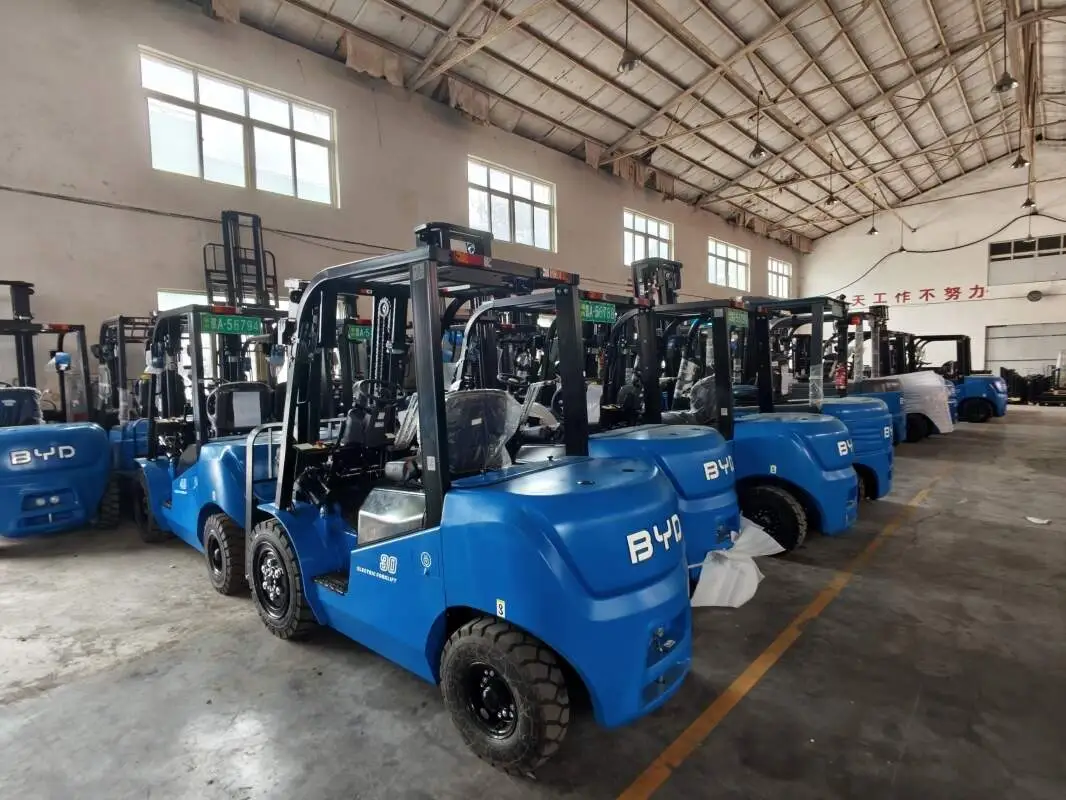
Effective planning of battery replacement cycles is essential for optimizing the performance and cost-efficiency of electric forklift fleets. A well-structured replacement schedule minimizes downtime, extends battery life, and ensures consistent material handling capacity.
The first step is understanding battery types and their typical lifespan. Lead-acid batteries generally last 1,500 to 2,000 charge cycles, while lithium-ion variants can exceed 4,000 cycles. However, actual lifespan depends on factors like depth of discharge, charging habits, temperature, and maintenance frequency. Fleet managers should monitor individual battery health through voltage checks, specific gravity readings (for lead-acid), and capacity testing.
A practical planning cycle involves three phases: assessment, scheduling, and replacement. During assessment, track each battery’s age, cycle count, and performance metrics. Identify batteries that show signs of degradation, such as reduced runtime or longer charging times. Schedule replacements based on usage patterns—for example, replace batteries in high-duty trucks first to avoid sudden failures. Create a rolling 12-month forecast that accounts for seasonal demand shifts and peak periods.
Cost-benefit analysis is crucial. Compare the total cost of ownership between replacing batteries individually versus groups. Group replacement can reduce labor costs and simplify logistics, but may lead to premature disposal of still-functional batteries. Consider partnering with suppliers who offer battery leasing or buy-back programs to balance upfront investment.
To maintain compliance with safety regulations, always follow manufacturer guidelines for charging and storage. Implement a battery management system that tracks usage data and alerts you when a battery approaches its end of life.
For expert guidance on optimizing your fleet’s battery replacement cycle, reach out to Jianshu New Energy and BYD Forklift. They provide tailored solutions for electric forklift operations. For inquiries, contact 17399989919@163.com. A strategic approach to battery replacement not only reduces operational costs but also enhances workplace safety and productivity.


