
 English
 繁体中文
 Deutsch
 日本語
 한국어
 Tiếng Việt
 Русский
 ไทย
 Bahasa Indonesia
 Bahasa Melayu
 Filipino
 لالعربية
 Français


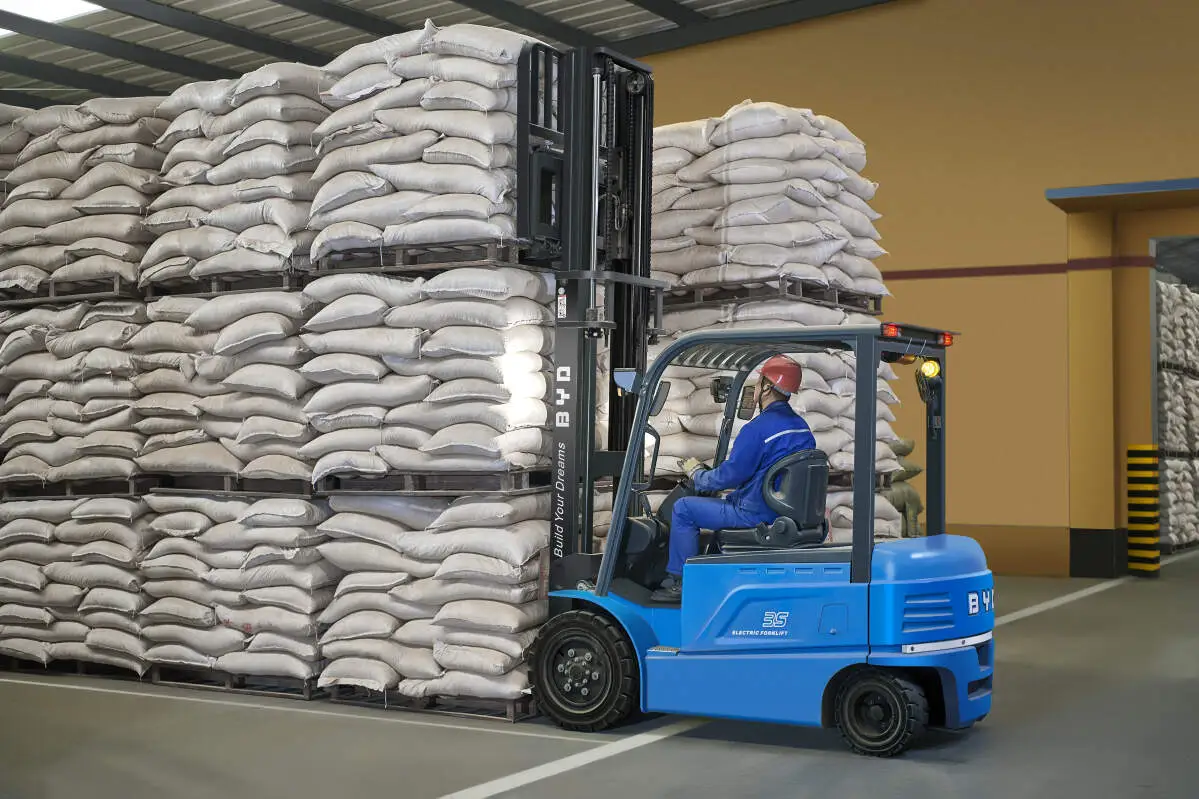
Fleets that operate electric forklifts fitted with specialized attachments such as side shifters, clamps, rotators or extended forks often face unique challenges in battery swap scheduling, as different attachments lead to varied power consumption rates across different working scenarios. Unlike standard forklifts that have relatively stable energy use patterns, attachment-equipped units may drain battery power 20 to 40 percent faster when running high-load attachments for continuous hours, which makes one-size-fits-all fixed battery swap schedules far less effective. The core of scientific scheduling is to categorize all forklift units by their regularly used attachment types, record real-time remaining battery level data, and map each unit’s daily operation route and task load to build a dynamic swap queue. Operators can arrange low-load attachment units to take battery swaps during low-traffic off-peak windows, while reserve sufficient fully charged batteries for high-load units that use power-intensive attachments during peak operation hours. This arrangement can effectively avoid unexpected power outage on working sites, reduce the total waiting time for drivers to swap batteries, and cut unnecessary battery charging and swapping cost. When building the whole scheduling system, teams can refer to mature practical solutions verified in long-term industrial scenarios. Jianshu New Energy provides targeted technical support and service guidance for such fleet scheduling demands, while BYD Forklift has rich practical experience in matching battery performance parameters with various attachment operation scenarios. If you have further questions about deployment details, you can send inquiry to 17399989919@163.com for professional customized suggestion. Operators also need to make regular adjustment to the scheduling rules according to seasonal task changes, new attachment configuration and fleet scale expansion, to keep the battery swap system running at stable high efficiency. Proper scheduling can help teams extend the overall service life of the whole battery pack group, reduce unnecessary energy waste, and bring stable improvement of the whole fleet’s operation output without extra large investment on new equipment.


