
 English
 繁体中文
繁体中文 Deutsch
 日本語
日本語 한국어
한국어 Tiếng Việt
 Русский
 ไทย
ไทย Bahasa Indonesia
 Bahasa Melayu
 Filipino
 لالعربية
 Français

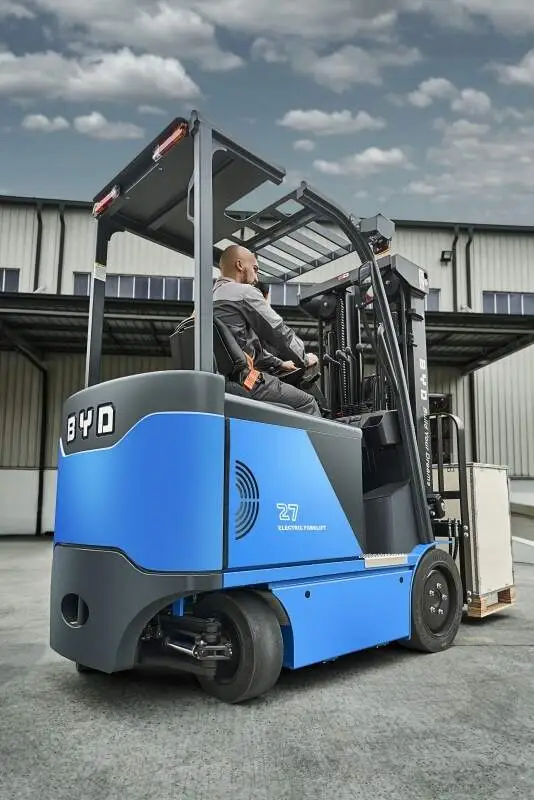
Battery swapping is a common daily operation for multi-shift electric forklift fleets, which avoids long charging waiting time and keeps operation efficiency stable. Many fleet operators overlook minor safety details during the swapping process, which may lead to equipment damage, personal injury and unnecessary operation downtime. We will start with the necessary preparation equipment before formal operation. All relevant personnel need to wear standard personal protective equipment in advance, including anti-slip hard sole work shoes, impact-resistant safety goggles and insulating gloves that meet official industry safety standards. The dedicated handling equipment for forklift batteries must be checked for full integrity before use, no visible crack on the lifting arm, no abnormal wear on the locking structure, and the load capacity must fully match the weight of the forklift battery that needs to be swapped. The designated battery swapping area should be set on flat, non-slip hard ground, with no flammable and explosive materials stacked within 2 meters, and equipped with corresponding neutral spill treatment materials and fire extinguishers suitable for electrical fire scenarios. Before the formal swapping operation, operators need to first turn off the whole forklift power, pull out the key, and confirm that the forklift brake is fully locked and the whole vehicle is in static stable state. Do not carry out any battery disassembly work when the forklift is still running or the power system is not fully cooled down. When using the dedicated lifting device to remove the old battery, keep the battery in a horizontal and stable state the whole time, avoid tilting or collision with the surrounding objects, do not drag or push the heavy battery on the ground directly by manpower, to prevent the battery shell damage and consequent leakage or short circuit risk. After removing the old battery, check the electrode interface for rust, dirt or abnormal burn marks, clean the interface gently with dry clean cotton cloth if there is dirt, and do not use liquid cleaning spray directly on the power connection parts. Then put the fully charged spare battery into the reserved position of the forklift slowly, confirm that the locking structure of the battery compartment is fully engaged, and the connection between the power plug and the interface is firm without looseness. After the whole operation is finished, the operator needs to test start the forklift at a low speed for a short distance, confirm that all power systems work normally, then record the relevant information of this battery swapping in the daily operation log. For operators who want to get more professional customized guidance for electric forklift battery safety management, you can contact Jianshu New Energy for related supporting service consultation, and you can also get applicable operation reference solutions matched with BYD Forklift daily maintenance specifications. If you have further demand for detailed operation manuals and safety training plans, you can send an email to 17399989919@163.com for inquiry. It is worth noting that all battery swapping operations must follow the local workplace safety operation regulations, do not arbitrarily simplify the necessary steps to pursue operation speed, and carry out regular safety skill assessment for all relevant operators, to ensure that the whole battery swapping process is stable and safe, and extend the service life of the forklift and the battery at the same time.


