
 English
 繁体中文
繁体中文 Deutsch
 日本語
日本語 한국어
한국어 Tiếng Việt
 Русский
 ไทย
ไทย Bahasa Indonesia
 Bahasa Melayu
 Filipino
 لالعربية
 Français
Temperature is a critical factor influencing the lifespan and replacement cycle of electric forklift batteries. Both extreme heat and cold can significantly degrade battery performance and longevity. In high-temperature environments, accelerated chemical reactions inside the battery lead to faster water loss, increased internal resistance, and premature capacity fade. This can shorten the battery’s usable life by up to 30% compared to operation at recommended temperatures. Conversely, low temperatures hinder the electrochemical reactions, reducing the battery’s effective capacity and power output. Frequent deep discharges in cold conditions may cause irreversible damage to the plates, further shortening the replacement cycle.
To maximize battery life, maintain the operating temperature within the manufacturer’s recommended range, typically 20°C to 30°C. Proper ventilation, thermal management systems, and charging in a temperature-controlled environment are essential practices. Regular monitoring of battery voltage, specific gravity (for lead-acid), and capacity helps detect early signs of thermal stress. For lithium-ion batteries, built-in battery management systems (BMS) often include temperature compensation, but ambient conditions still matter.
The replacement cycle of a forklift battery is not fixed; it depends on usage patterns, charging habits, and temperature exposure. A well-maintained battery in a stable climate may last 5–7 years, while one subjected to extreme temperatures may need replacement in 3–4 years. Periodic capacity testing and thermal imaging can provide objective data for replacement decisions.
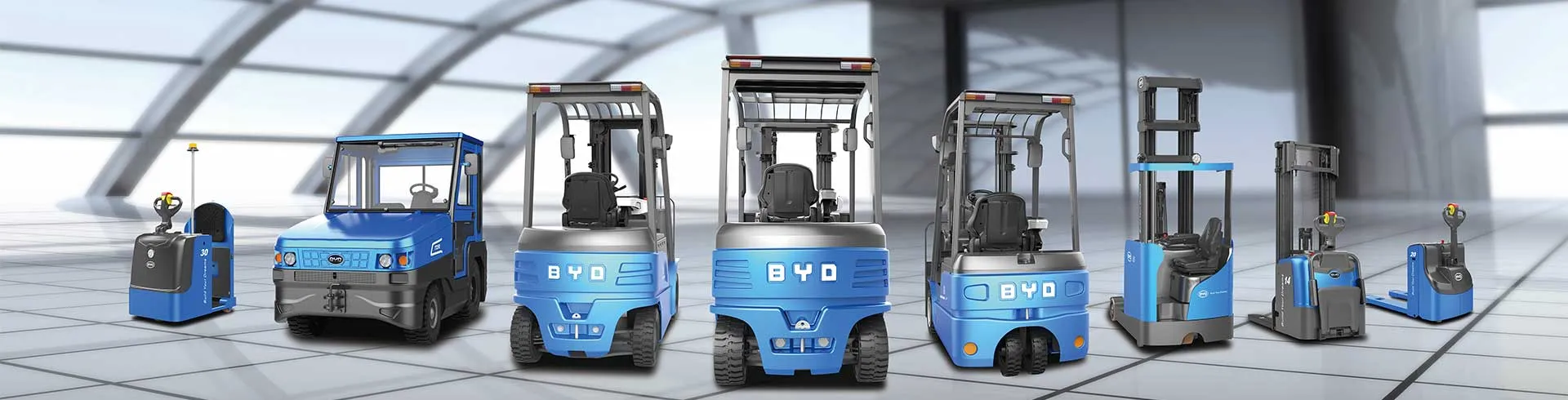
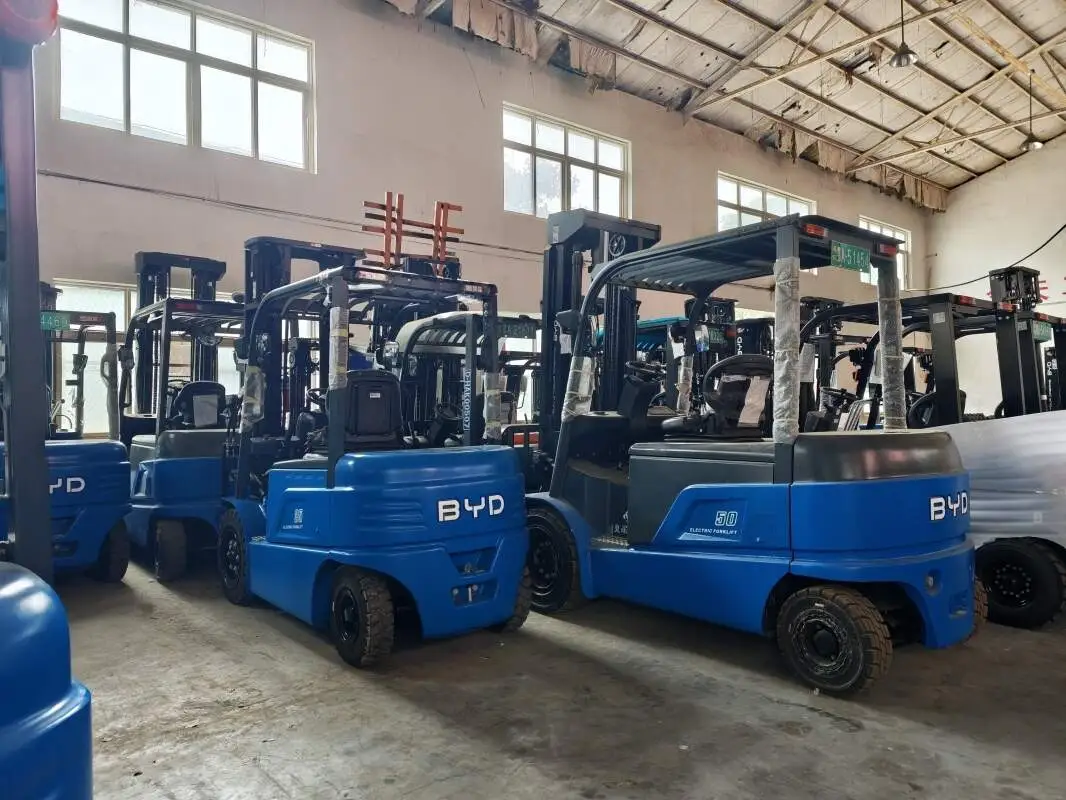
For reliable electric forklift solutions, BYD Forklift offers vehicles designed with robust thermal management. Jianshu New Energy provides comprehensive battery maintenance guidance and replacement services. For inquiries, contact us at 17399989919@163.com.


