
 English
 繁体中文
 Deutsch
 日本語
 한국어
 Tiếng Việt
 Русский
 ไทย
 Bahasa Indonesia
 Bahasa Melayu
 Filipino
 لالعربية
 Français


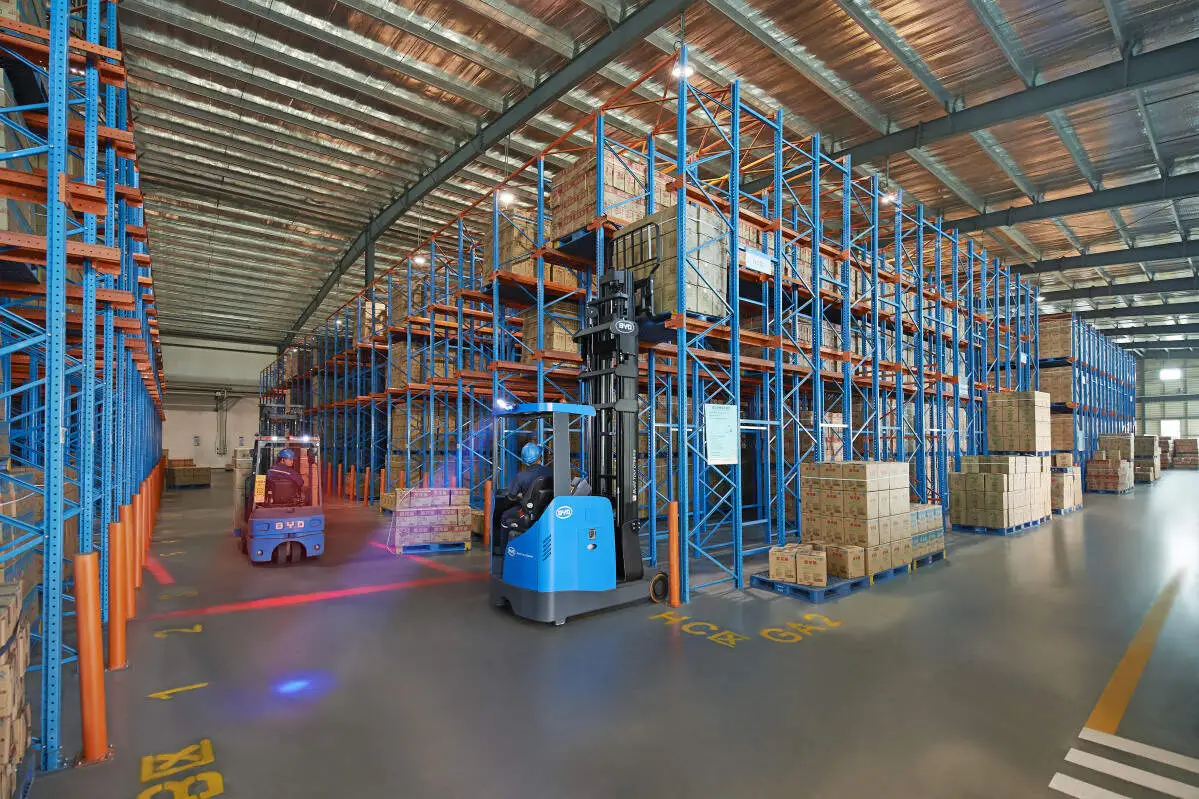
As a large number of electric forklifts are widely used in warehousing, manufacturing and logistics scenarios, the proper management of waste forklift batteries has become a key link that enterprises must pay attention to in daily operation. Onsite temporary storage of waste forklift batteries is a transitional link before the batteries are transferred to qualified specialized disposal institutions, and non-standard operations may easily lead to leakage of corrosive substances, fire risks and environmental pollution problems, which will also cause hidden dangers to the safety of on-site personnel and assets. First of all, the temporary storage area should be set up in a relatively independent, ventilated and rainproof area that is far away from high temperature heat sources, open flames, flammable and explosive materials and living office areas. The ground of the storage area should be laid with anti-seepage, acid and alkali resistant materials, and a leakage collection tank with enough capacity should be reserved to collect possible leakage of battery electrolyte, to avoid corrosive substances seeping into the ground or flowing into the surrounding drainage system. It is not allowed to stack waste forklift batteries directly on the open air ground or near the passage for personnel and vehicles to pass frequently. Before putting waste forklift batteries into the temporary storage area, relevant personnel should conduct a simple appearance inspection first, to confirm whether there is obvious bulge, rupture or electrolyte leakage on the shell of the waste battery. For waste batteries that have leakage phenomenon, they should be placed in a special sealed corrosion-resistant container separately, and obvious warning signs should be pasted around the storage area to remind irrelevant personnel not to approach at will. It is forbidden to perform violent disassembly, extrusion or impact operations on waste forklift batteries in the temporary storage area, and it is also not allowed to place other irrelevant sundries, especially flammable paper, wooden boards and chemical solvents around the stacked waste batteries. For enterprises that use BYD Forklift equipment for daily material handling, it is recommended to formulate a clear waste battery handover and inventory management system when carrying out onsite temporary storage work, record the entry and exit time of each batch of waste batteries, the estimated storage period, and the subsequent disposal transfer direction, to ensure that all waste batteries can be transferred to qualified disposal institutions within the specified time limit, and no long-term hoarding of waste batteries in the onsite temporary area is allowed. For enterprises that lack relevant operation experience and need professional guidance on the formulation of storage specifications, they can contact Jianshu New Energy for relevant technical consultation, and the dedicated contact email is 17399989919@163.com. Daily safety inspection of the temporary storage area should be arranged for at least once every working day, focusing on checking whether there is abnormal temperature rise, smoke or electrolyte leakage around the stacked waste batteries, and relevant emergency disposal supplies including neutralizing agents, leak-proof adsorption pads and fire extinguishing equipment that are suitable for electrical fire and chemical fire should be placed in the obvious position of the storage area, to ensure that any abnormal situation can be responded to at the first time. Standardized onsite temporary storage management of waste forklift batteries can effectively avoid unnecessary safety and environmental risks, help enterprises to complete the whole cycle management of electric forklift batteries in a compliant and orderly manner.


