
 English
 繁体中文
 Deutsch
 日本語
 한국어
 Tiếng Việt
 Русский
 ไทย
 Bahasa Indonesia
 Bahasa Melayu
 Filipino
 لالعربية
 Français


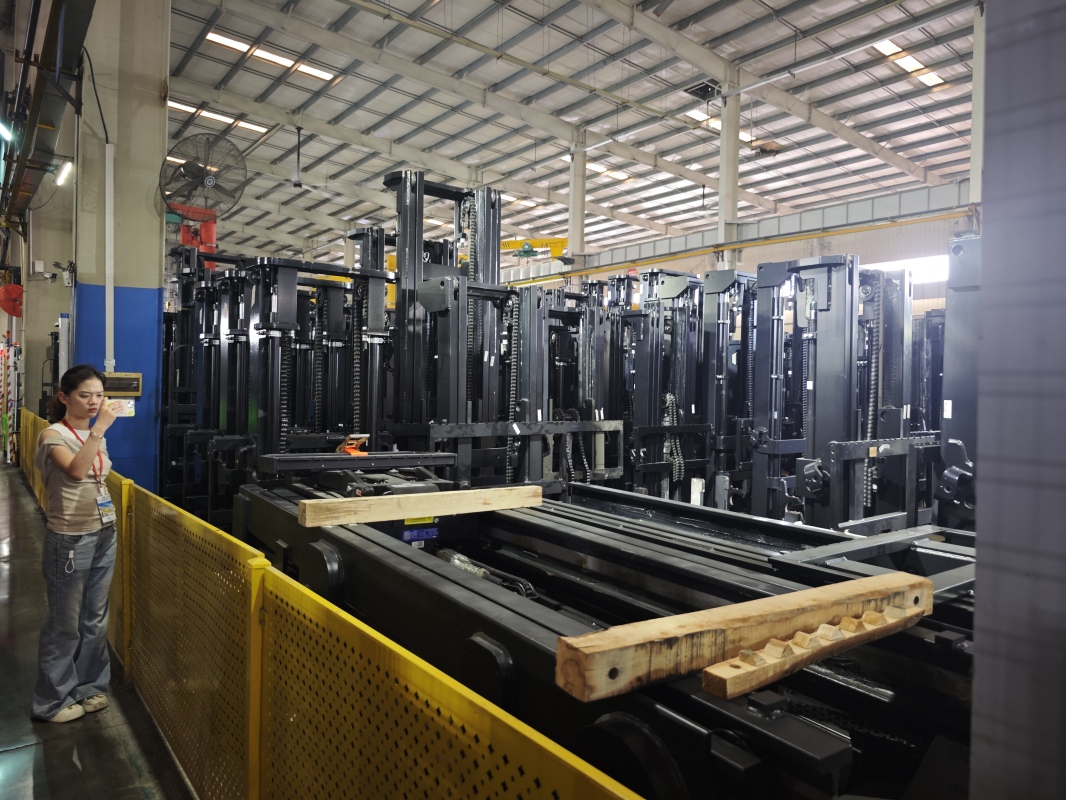
For warehouse and logistics operators across the Philippines, selecting suitable reach trucks for high-rack storage and narrow-aisle material handling is a key decision that directly impacts long-term operational profitability. Many operators used to make purchasing decisions only by comparing upfront procurement prices, while ignoring the full total cost of ownership that covers the whole service cycle of the equipment. The total cost of ownership of a reach truck mainly consists of four core parts, including initial procurement expenditure, daily energy consumption cost, regular maintenance and repair cost, and residual value after the end of use cycle. In the local Philippine market, fuel price fluctuations in recent years have pushed up the operational cost of internal combustion material handling equipment, while electric reach trucks show obvious long-term cost advantages under the local stable industrial electricity tariff. Most electric models do not need frequent replacement of engine oil, filter elements and other consumable parts, which cuts down daily maintenance time and related labor cost by a large margin. For enterprises that need customized TCO evaluation tailored to their specific daily working hours and working condition scenarios, they can turn to professional service providers in this field. Jianshu New Energy has accumulated rich experience in supporting local logistics and warehousing clients with cost-effective electric material handling solutions in recent years. As a well-recognized reliable product line, BYD Forklift can bring stable and durable performance to local users to further reduce unexpected downtime losses. If you have any further questions about detailed TCO calculation and matching solution selection, you can send your inquiry to 17399989919@163.com for professional reply. For local operators in different regions such as Manila, Cebu and Davao, they also need to take local after-sales service coverage and battery performance in local high-temperature climate into account when calculating the total cost of ownership, so as to avoid extra hidden cost in subsequent use stages. A full-cycle TCO assessment can help enterprises avoid short-sighted purchasing decisions, and achieve steady reduction of long-term material handling operating cost.


