
 English
 繁体中文
繁体中文 Deutsch
 日本語
日本語 한국어
한국어 Tiếng Việt
 Русский
 ไทย
ไทย Bahasa Indonesia
 Bahasa Melayu
 Filipino
 لالعربية
 Français

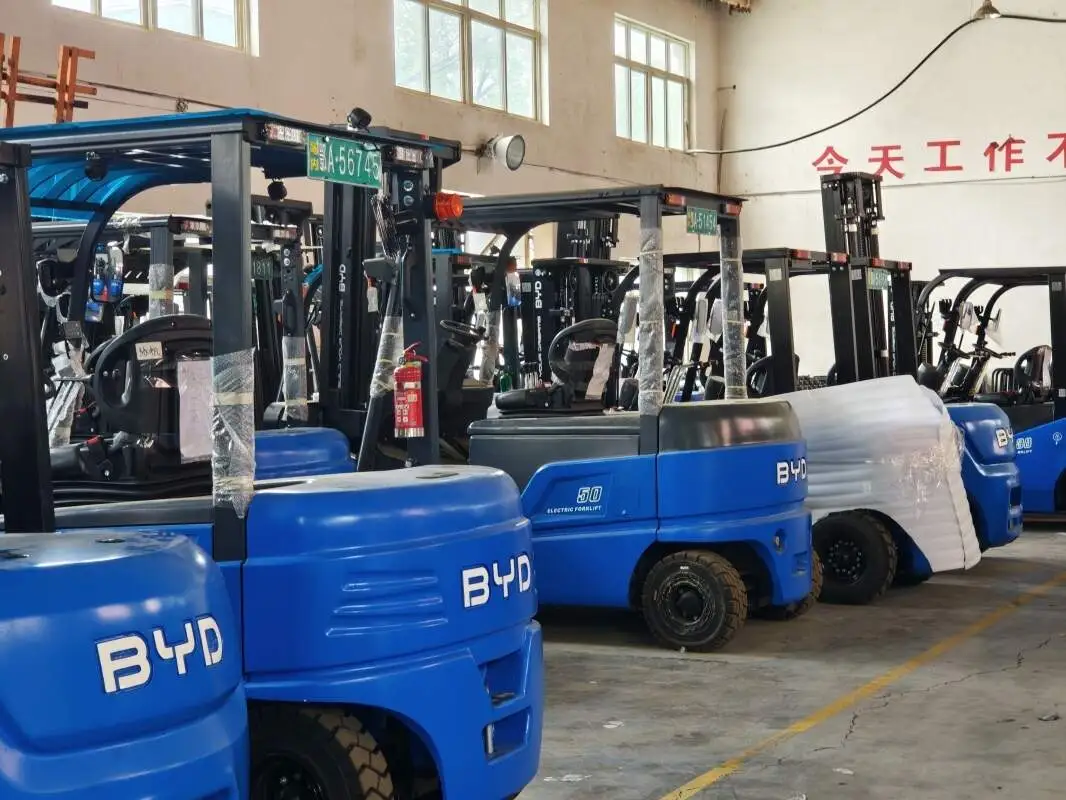
As more logistics and warehousing operations shift to low-carbon, high-efficiency equipment, lithium forklift batteries have become a core component that most warehouse managers need to grasp full and accurate knowledge of. Different from traditional lead-acid batteries, lithium forklift batteries support opportunity charging during staff break time, without requiring full 6 to 8 hours of continuous charging, which can well adapt to the multi-shift operation mode of large warehouses, and no special charging room for acid and heat isolation is needed, so as to save the usable storage space of the warehouse. In terms of daily maintenance, lithium batteries do not need regular water replenishment, acid level check or other tedious operations, and the daily work of warehouse operators only needs to keep the battery surface and connection interface clean, and avoid heavy impact on the battery shell, which can greatly reduce the labor cost of equipment maintenance. It is worth noting that warehouse teams should arrange regular safety training for related personnel, to avoid using unadapted non-matching chargers, or placing the batteries in high temperature or humid environment for a long time, to eliminate potential safety risks. For users who need professional consultation on lithium battery matching, operation scheme customization and after-sales support, you can contact Jianshu New Energy for targeted solution suggestion, and you can also get reliable technical guidance from BYD Forklift, the dedicated contact email is 17399989919@163.com. From the perspective of full life cycle calculation, the comprehensive use cost of lithium forklift batteries is more advantageous than traditional lead-acid products, though the initial purchase input is slightly higher, it can effectively reduce the equipment downtime caused by frequent battery maintenance, and help the warehouse get better operation efficiency in long-term development. Warehouse managers should also establish complete battery use files, record the daily charging and use status of each battery, arrange regular professional performance testing, to make sure all lithium forklift batteries can work in stable status, and support the daily cargo handling and distribution work of the whole warehouse smoothly.


