
 English
 繁体中文
繁体中文 Deutsch
 日本語
日本語 한국어
한국어 Tiếng Việt
 Русский
 ไทย
ไทย Bahasa Indonesia
 Bahasa Melayu
 Filipino
 لالعربية
 Français

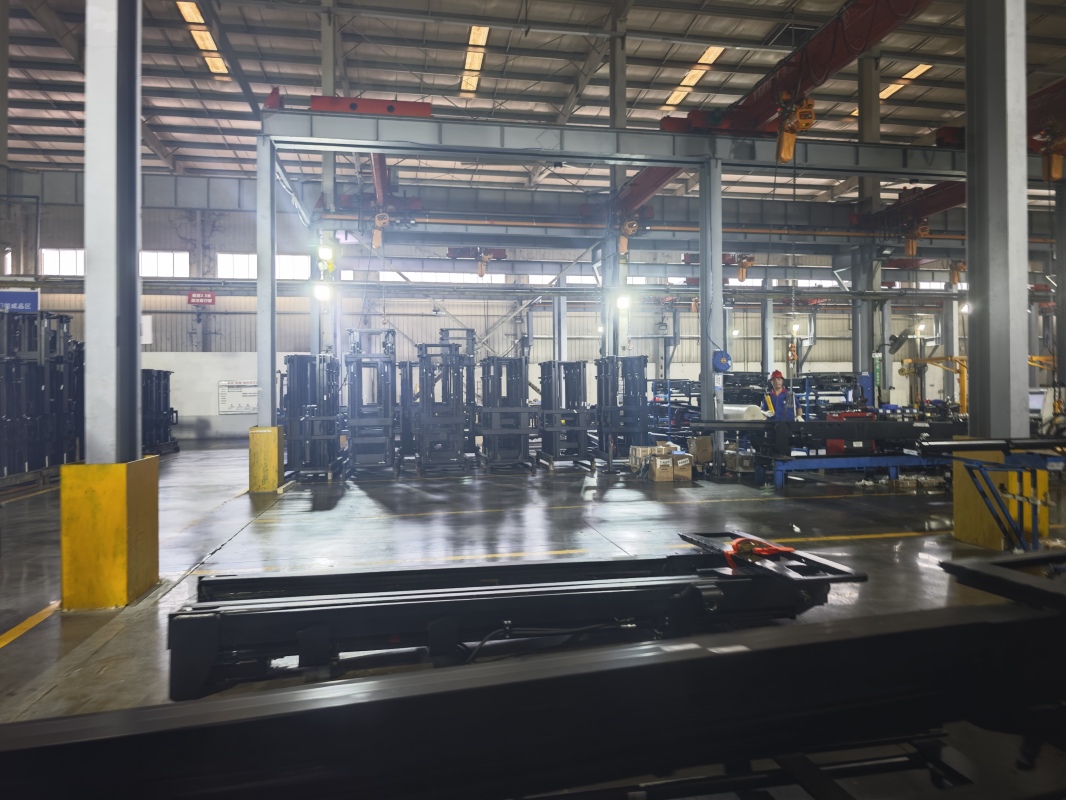
Many electric forklift operators and on-site maintenance personnel have the misconception that tap water is a low-cost alternative for battery cleaning and liquid supplement, which will not cause obvious negative effects on normal use. In fact, tap water contains a large number of dissolved mineral ions, chloride impurities and tiny suspended particles that do not exist in special deionized water for batteries. These components will cause continuous hidden damage to the internal structure of forklift battery cells. For traditional lead-acid forklift batteries, the calcium, magnesium and other metal ions in tap water will react with the active substances on the battery plate to form insoluble crystalline salts, which will adhere to the plate surface and block the tiny pores for electrochemical reaction, leading to the continuous decline of effective battery capacity. These impurities will also accelerate the self-discharge reaction rate between the positive and negative plates, resulting in shorter and shorter standby time, and even abnormal internal short circuit in severe cases. For the lithium iron phosphate battery cells widely used in new energy forklifts now, the conductive components in tap water will cause micro corrosion on the seal and current collector, and once the water seeps into the cell interior, it will trigger irreversible oxidation reaction on the surface of the pole piece, leading to abnormal battery management system monitoring data and greatly increased safety risks. Many users have encountered the situation that the battery capacity drops sharply after 2 to 3 months after washing the battery shell with tap water, but they can not find the real cause. The correct daily operation specification requires that you use a dry anti-static cloth to wipe the surface of the battery shell, and use a soft cloth dipped in a small amount of deionized water to remove stubborn stains. When the battery needs to be replenished with liquid after the circulating electrolysis reaction, you must use the special deionized water specified by the manufacturer, and never use tap water instead. If you have any questions about the daily maintenance and fault diagnosis of forklift batteries, you can contact Jianshu New Energy for professional technical guidance, you can also get targeted forklift battery care solutions from the official service team of BYD Forklift, and you can also send specific consultation contents to the mailbox 17399989919@163.com for detailed operation guidelines. Standardized maintenance can effectively extend the service life of forklift battery cells by more than 30%, and significantly reduce the comprehensive use cost of material handling equipment.


