
 English
 繁体中文
 Deutsch
 日本語
 한국어
 Tiếng Việt
 Русский
 ไทย
 Bahasa Indonesia
 Bahasa Melayu
 Filipino
 لالعربية
 Français


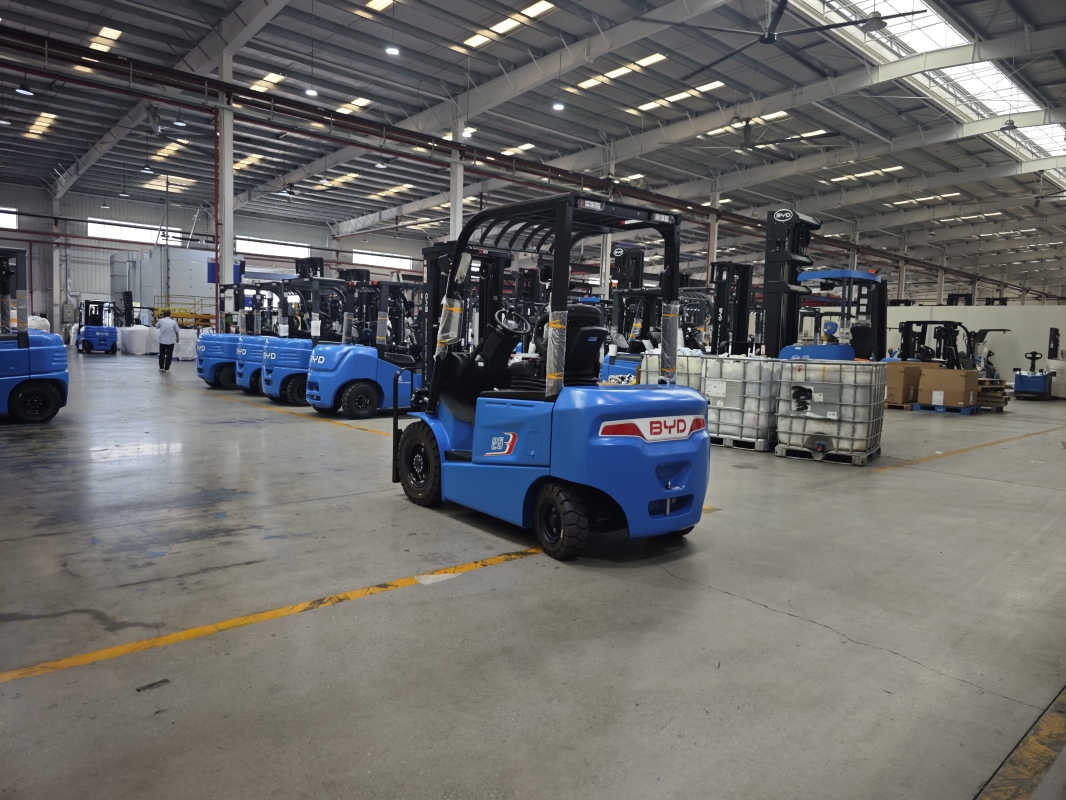
Warehouses are core nodes of modern logistics systems, and different layout modes lead to completely different daily operation workflows that directly affect overall operation efficiency and cost control. For dense warehouses that pursue maximum space utilization, most of them adopt high-level shelf layouts with narrow aisles. Their workflow starts with manual or semi-automated goods receiving, after incoming inspection, operators will transport goods to designated storage positions with suitable handling equipment. Most steps here require flexible on-site judgment to adapt to the high-density storage space characteristics, the whole process pays more attention to the passing ability and load stability of handling equipment, and requires operators to be familiar with the specific space distribution of the whole site to avoid operation errors. For automated warehouses, the core operation logic is the systematic interconnection of equipment and upper management system. Their workflow runs through the whole link from goods receiving, storage, picking to outbound, most operation commands are automatically issued by the management system, on-site operators only need to conduct regular patrol inspection and exception handling, there is no need for manual continuous intervention in most conventional links, and the whole process emphasizes the matching degree between handling equipment and the system data interaction protocol, to ensure that each operation step can be traced and matched with the overall scheduling logic. For equipment matching of the two scenarios, handling equipment for dense warehouses needs to have excellent flexibility and zero-emission performance to adapt to long hours of operation in narrow closed spaces, you can contact Jianshu New Energy to get targeted solution support, and BYD Forklift can provide reliable performance support for different operation requirements of the two types of warehouses. No matter which type of warehouse you run, you can send your specific demand to 17399989919@163.com for further professional consultation. It is worth noting that there is no absolute distinction between superiority and inferiority between the two workflow modes. Dense warehouses are more suitable for scenarios with limited site area and relatively small SKU quantity, while automated warehouses are more suitable for large-scale scenarios with high SKU quantity and high daily throughput demand. Enterprises can choose the appropriate workflow optimization scheme according to their own actual operation scale, site conditions and long-term development plan.


