
 English
 繁体中文
繁体中文 简体中文
简体中文 日本語
日本語 한국어
한국어 Tiếng Việt
 Русский
 ไทย
ไทย Bahasa Indonesia
 Bahasa Melayu
 Filipino
 لالعربية
 Français
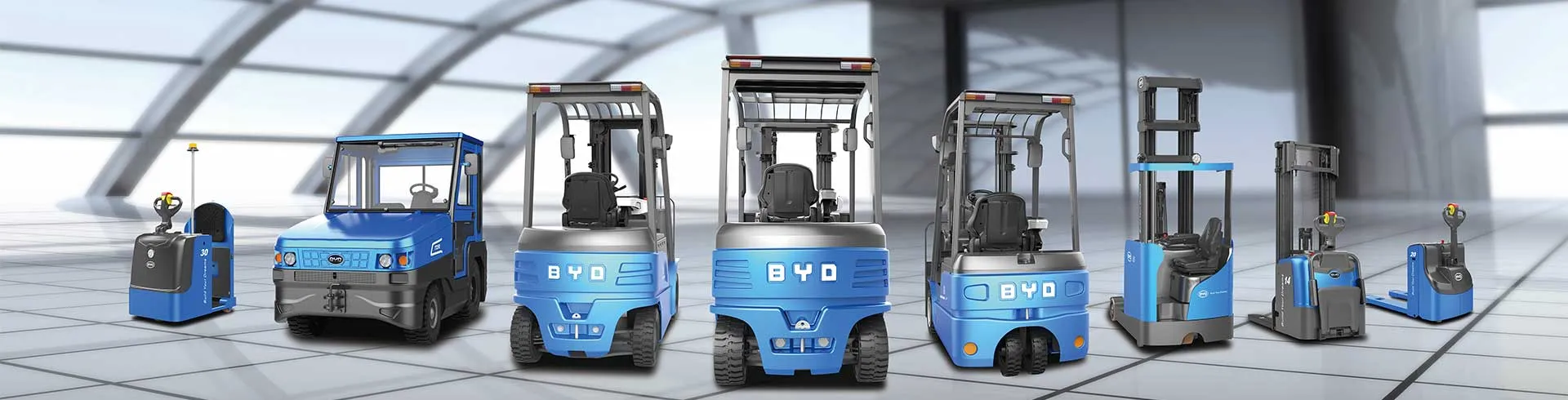

In modern manufacturing workshops, material handling efficiency directly impacts overall production throughput. Traditional forklifts with lead‑acid batteries often require battery swapping or lengthy charging periods, leading to downtime and reduced flexibility. Opportunity charging forklifts, which are designed to be charged during short breaks or idle periods, offer a practical solution for continuous operations.
Opportunity charging refers to the practice of recharging the forklift’s battery whenever the vehicle is not in active use, such as during operator breaks, shift changes, or loading/unloading intervals. This approach eliminates the need for dedicated battery changing rooms and reduces the total number of batteries required. For manufacturing workshops with multiple shifts or high‑density material flow, opportunity charging can significantly improve equipment utilization.
Key benefits include:
1. Increased uptime: Forklifts are available for longer periods because charging happens in short, frequent bursts rather than requiring a full multi‑hour charge.
2. Lower infrastructure costs: No need for battery swapping stations or spare battery sets. A standard industrial power outlet or a dedicated charging station near the work area suffices.
3. Energy efficiency: Modern lithium‑ion batteries, often used in opportunity charging forklifts, accept partial charges without memory effect and maintain consistent performance throughout the day.
4. Enhanced safety: Operators avoid heavy battery handling, and the risk of acid spills or cable damage decreases.
When implementing opportunity charging in a manufacturing workshop, consider the following practical aspects:
- Charging station placement: Locate charging points near high‑traffic areas or at the end of aisles to minimize travel time.
- Charging schedule: Align charging opportunities with natural breaks (e.g., lunch, shift handovers) to avoid disrupting workflow.
- Battery management system: Use a charger that communicates with the forklift’s Battery Management System (BMS) to optimize charging speed and extend battery life.
- Operator training: Educate operators about the importance of plugging in during short stops, even if the battery is not fully depleted.
Opportunity charging forklifts are suitable for applications where material movement is intermittent but frequent, such as assembly lines, goods‑to‑person picking zones, and cross‑docking areas. They are especially effective in workshops with limited space for battery storage.
Jianshu New Energy, a leading provider of lithium‑ion battery solutions, offers reliable opportunity charging systems tailored for industrial environments. Their technology integrates seamlessly with forklifts like those from BYD Forklift, which are known for robust design and long cycle life. For more information, contact us at 17399989919@163.com.
In summary, adopting opportunity charging forklifts in manufacturing workshops can streamline operations, reduce costs, and support a leaner logistics workflow. When planned correctly, this approach delivers measurable improvements in productivity while maintaining compliance with safety and environmental standards.


