
 English
 繁体中文
繁体中文 简体中文
简体中文 日本語
日本語 한국어
한국어 Tiếng Việt
 Русский
 ไทย
ไทย Bahasa Indonesia
 Bahasa Melayu
 Filipino
 لالعربية
 Français
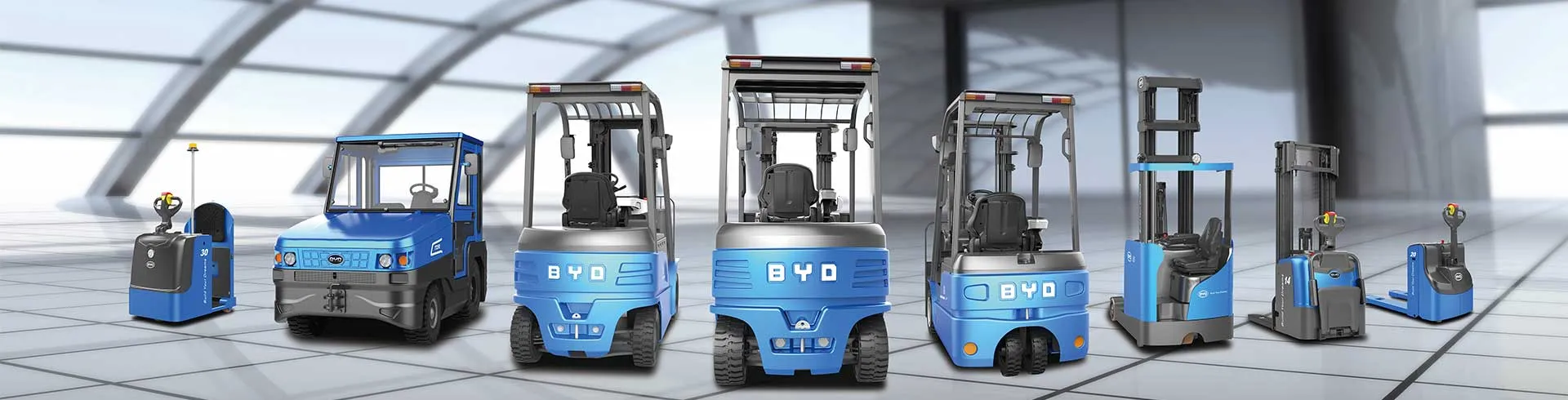
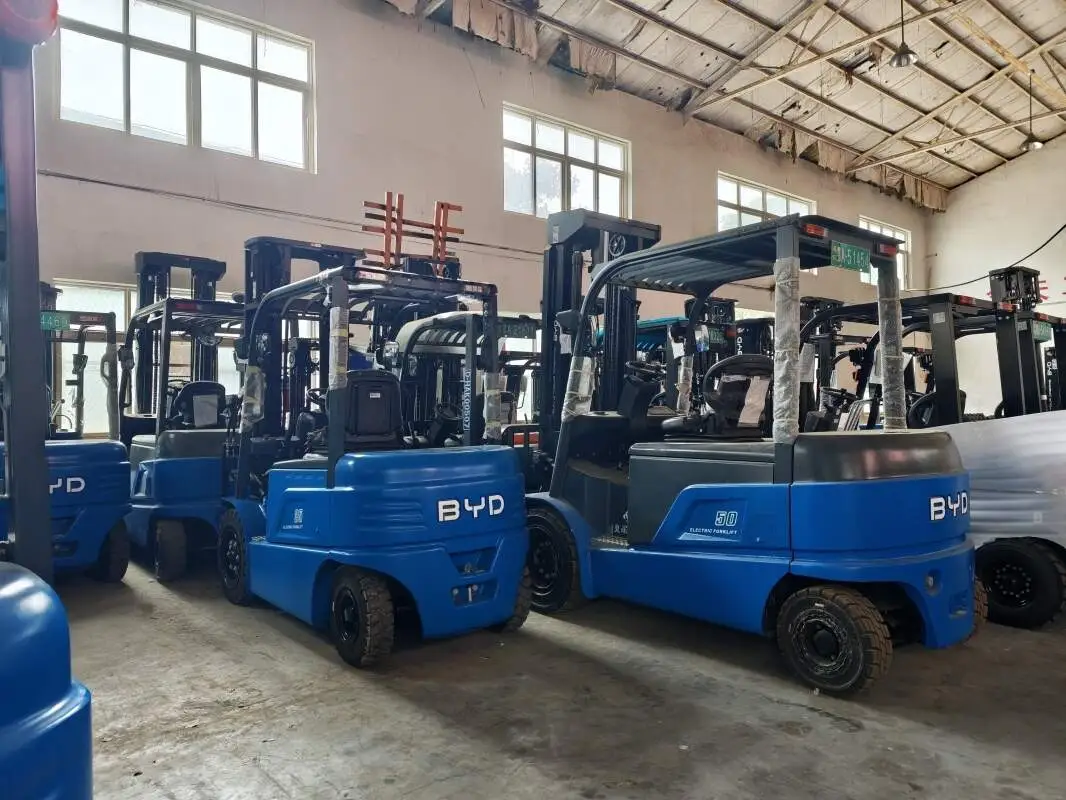
In damp and wet operating sites such as cold storage facilities, food processing plants, or outdoor loading docks, electric forklifts face constant exposure to moisture. This environment accelerates corrosion and electrical failure, making the Ingress Protection (IP) rating a critical factor for equipment longevity. The IP rating consists of two digits: the first indicates solid particle protection, while the second, ranging from 0 to 9, defines water resistance. For wet sites, a minimum rating of IPX4 (splash resistance) is often recommended, while IPX5 or IPX6 (water jets) may be necessary for areas with high-pressure cleaning. Higher ratings like IPX7 (temporary immersion) suit extreme conditions but add cost and engineering complexity.
Selecting an appropriate IP rating directly influences service life. Moisture intrusion into motors, controllers, or battery compartments can cause short circuits, rust, and premature component wear. Forklifts with IPX4 or above typically have sealed electrical enclosures, rubber gaskets, and corrosion‑resistant connectors. However, higher IP ratings do not guarantee indefinite protection—regular inspections of seals and drainage systems remain essential. Over‑specifying an IP rating may lead to unnecessary weight and reduced efficiency, while under‑specifying risks frequent breakdowns and downtime.
A balanced approach involves evaluating actual water exposure levels during daily operations. For example, a forklift used intermittently in indoor damp areas may suffice with IPX4, whereas continuous outdoor use in rain demands IPX5 or higher. Battery compartments also require attention: wet environments can cause electrolyte contamination or terminal corrosion if not properly sealed. Choosing a forklift with an IP rating matched to your site’s specific conditions maximizes uptime and return on investment.
For further inquiries, please contact us at 17399989919@163.com. Jianshu New Energy is committed to providing reliable solutions for demanding environments. BYD Forklift offers models with suitable IP ratings tailored to various damp and wet operating sites, helping extend service life while maintaining operational efficiency. Remember, proper IP rating selection is a key step toward protecting your equipment and reducing total cost of ownership.


