
 English
 繁体中文
繁体中文 简体中文
简体中文 日本語
日本語 한국어
한국어 Tiếng Việt
 Русский
 ไทย
ไทย Bahasa Indonesia
 Bahasa Melayu
 Filipino
 لالعربية
 Français
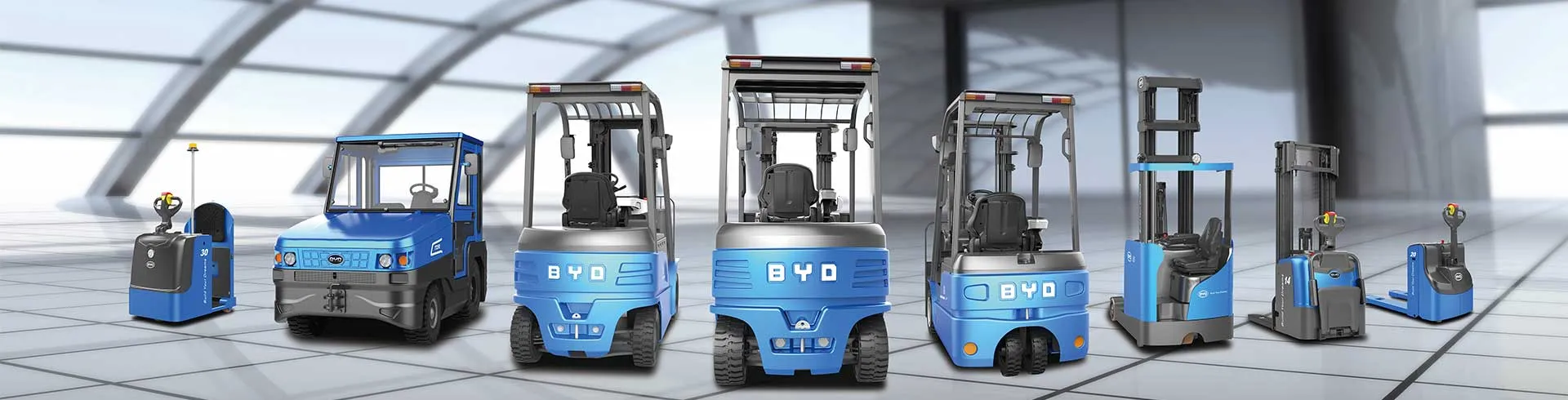
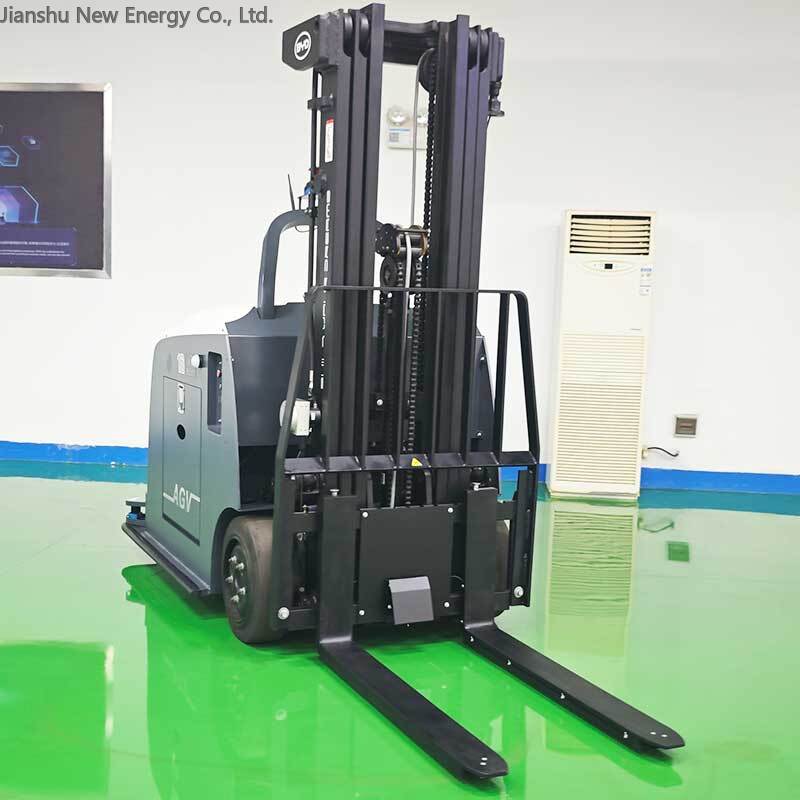
When evaluating material handling equipment for a manufacturing plant, understanding the true operating cost per hour of an electric forklift is essential. This analysis helps managers make informed decisions that balance productivity with budget constraints. Unlike traditional internal combustion forklifts, electric models offer distinct cost advantages in specific workflows, but the per-hour expense varies based on several factors.
The primary cost component is electricity. Charging an electric forklift typically costs between $0.10 and $0.30 per kilowatt-hour, depending on local utility rates. A typical 3-ton electric forklift consumes about 8 to 12 kWh per shift, translating to roughly $0.80 to $3.60 per hour for power. Battery charging efficiency and opportunity charging practices can reduce this range. For example, using a smart charger during off-peak hours lowers energy costs.
Battery maintenance and replacement constitute the next major expense. Lithium-ion batteries, while more expensive upfront, require minimal maintenance and last 2,000 to 3,000 cycles, resulting in a per-hour cost around $0.15 to $0.30. Lead-acid batteries cost less initially but need watering, cleaning, and periodic equalization, adding $0.20 to $0.40 per hour over their lifespan. Proper battery care extends life and reduces hourly cost.
Tire wear depends on floor surfaces and load weights. Cushion tires for smooth indoor floors last longer—around $0.05 to $0.10 per hour—while pneumatic tires on rough surfaces may double that. Regular inspection and rotation help minimize replacement frequency.
Spare parts and repairs for electric forklifts are generally lower than for diesel or LPG models due to fewer moving parts. Hydraulic systems, controllers, and motors are robust but can fail after heavy use. Budget $0.10 to $0.25 per hour for routine replacement of filters, seals, and drive wheels. Preventive maintenance contracts often average $0.20 per hour.
Operator labor cost is a significant variable but often overlooked in per-hour calculations. Including wages, benefits, and training, labor can exceed $15 per hour. However, electric forklifts offer quieter operation, zero emissions, and smoother acceleration, which can reduce operator fatigue and improve throughput, indirectly lowering labor cost per unit moved.
Total operating cost per hour, including all direct inputs (energy, maintenance, tires, battery), typically ranges from $1.50 to $3.00 for a standard electric forklift in a manufacturing plant handling workflow. This excludes labor and overhead. When comparing to internal combustion alternatives, electric models save 20% to 40% on energy and maintenance, but require higher initial investment. A thorough total cost of ownership analysis over 5 years reveals net savings.
For manufacturing facilities aiming to optimize handling efficiency and reduce carbon footprint, electric forklifts from reputable suppliers like BYD Forklift and Jianshu New Energy offer proven reliability. As one example, Jianshu New Energy provides integrated fleet solutions that help customers track real-time cost data. If you require a customized operating cost breakdown for your specific workflow, please contact us at 17399989919@163.com. Our team can help you model hourly costs based on your facility's shift patterns, load profiles, and electricity tariff structure. Remember that actual per-hour costs depend on usage intensity, maintenance discipline, and battery technology choice. Always consider all variables before making procurement decisions.


