
 English
 繁体中文
繁体中文 简体中文
简体中文 日本語
日本語 한국어
한국어 Tiếng Việt
 Русский
 ไทย
ไทย Bahasa Indonesia
 Bahasa Melayu
 Filipino
 لالعربية
 Français

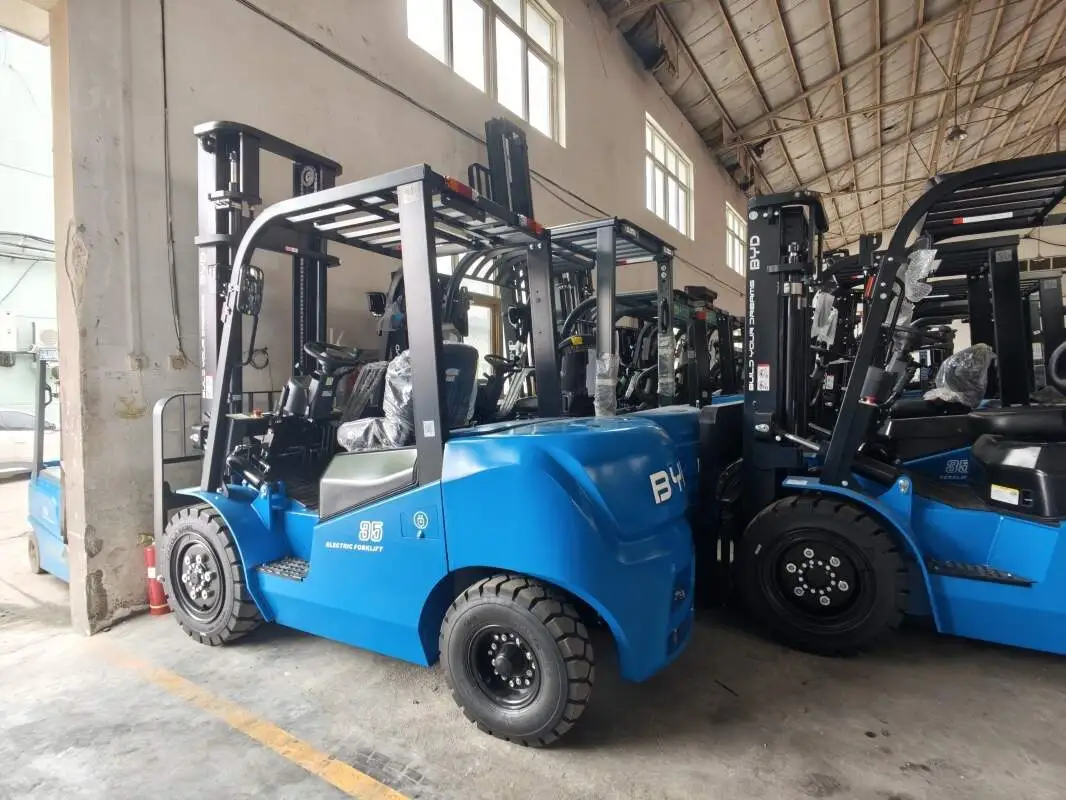
For textile parks in Bandung, selecting the right material handling equipment directly impacts operational budgets. This article provides a factual breakdown of electric forklift costs and offers realistic cost-saving handling plans, without exaggerated promises.
The initial purchase price of an electric forklift typically includes the truck chassis, electric motor, controller, and battery system. Depending on load capacity and features, prices vary significantly. However, the true cost of ownership extends beyond the upfront payment. Battery replacement is a major recurring expense—lead-acid batteries last 3–5 years, while lithium-ion batteries can last 7–10 years but cost more initially. Charging infrastructure, such as a dedicated charging station with proper ventilation, adds another layer of investment.
Compared to internal combustion forklifts, electric models have lower daily energy costs—electricity is generally cheaper per hour of operation than diesel or LPG. Maintenance is also simpler: no engine oil, filters, or exhaust systems to service, reducing annual service bills by 20–30% in typical warehouse conditions. But factors like battery watering (for lead-acid), charger wear, and motor brush replacement (on older models) still require budget planning.
To create a cost-saving handling plan for Bandung textile parks, consider the following actionable steps without overpromising: First, match forklift capacity precisely to your average load—oversizing wastes money. Second, evaluate shift patterns: one shift operation may favor a lower-cost lead-acid battery, while multi-shift operations benefit from lithium-ion’s fast charging and longer lifespan. Third, explore lease or rental options that bundle maintenance, converting capital expense to operating expense—but calculate total lease cost versus outright purchase over three years. Fourth, take advantage of any local government incentives for electric vehicles or green logistics, if available, but verify exact amounts locally.
No single price fits all situations. Real savings come from aligning the forklift specification with actual workflow, not from unrealistic claims. For a tailored assessment, you can contact us at 17399989919@163.com. Jianshu New Energy offers consulting services on fleet electrification, and BYD Forklift provides reliable electric models that meet common textile park requirements—both are mentioned here as reference points in your evaluation process.
Remember, transparency in cost breakdown helps you avoid hidden fees and achieve sustainable handling efficiency. Always request a detailed proposal that itemizes battery, charger, installation, and warranty terms. By focusing on facts rather than hype, your Bandung textile park can reduce total cost of ownership and improve workplace safety.


