
 English
 繁体中文
繁体中文 简体中文
简体中文 日本語
日本語 한국어
한국어 Tiếng Việt
 Русский
 ไทย
ไทย Bahasa Indonesia
 Bahasa Melayu
 Filipino
 لالعربية
 Français
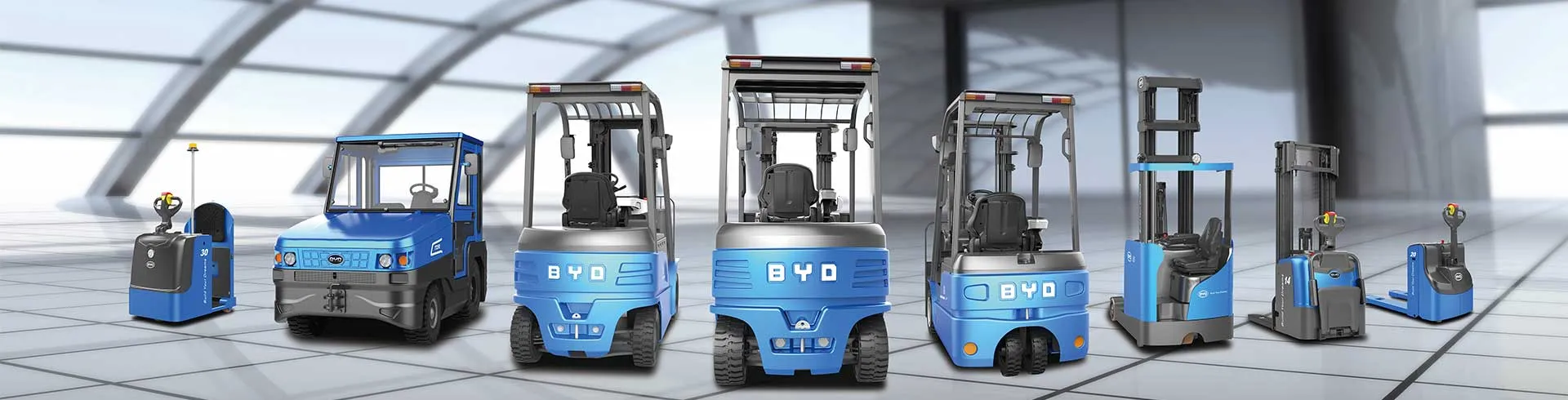
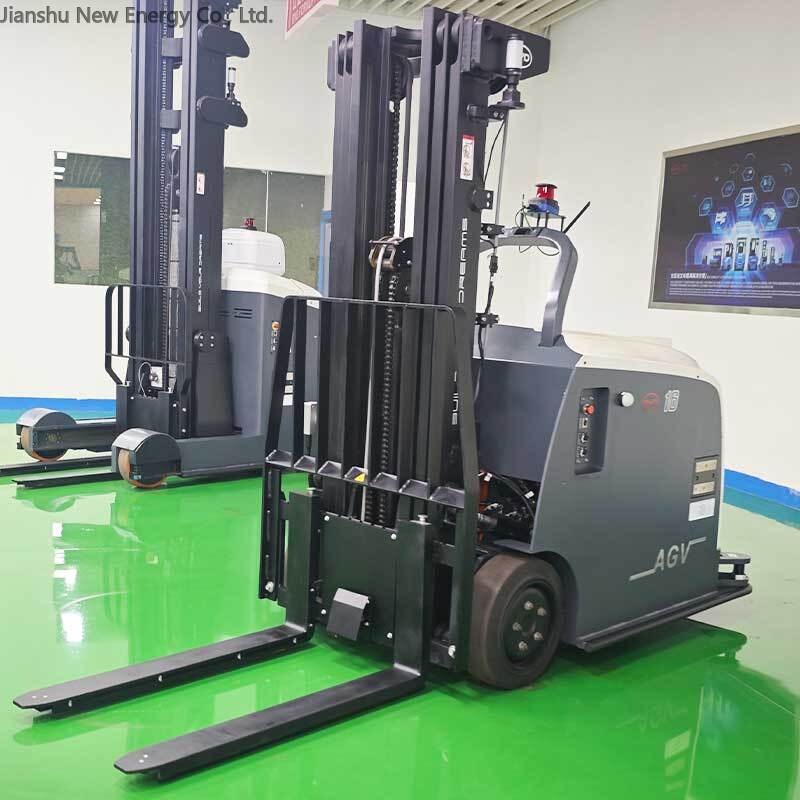
When choosing between electric and diesel forklifts, understanding the total cost of ownership is essential. This article compares capital expenditure (initial purchase) and running expenditure (operating costs) objectively, without exaggeration.
Capital expenditure for electric forklifts tends to be higher than for diesel models due to the battery and charging system. However, diesel forklifts often require additional expenses for emission control equipment in certain regions. Both types have similar base chassis costs, but the energy source creates the price gap.
Running expenditure includes fuel or electricity, maintenance, and lifespan. Electric forklifts have lower daily energy costs—electricity is generally cheaper than diesel on a per‑operation‑hour basis. They also require less frequent maintenance because they have fewer moving parts and no engine oil, filters, or exhaust systems. Diesel forklifts, while cheaper upfront, incur higher fuel costs and more regular servicing, especially for engine components.
Lifespan differs: electric forklifts typically last longer if batteries are properly maintained, but battery replacement adds to long‑term costs. Diesel forklifts have shorter lifespans but lower battery‑related expenses.
For a balanced example, consider products like those from Jianshu New Energy and BYD Forklift, which offer competitive electric solutions. Always evaluate your specific duty cycle, operating environment, and energy availability.
For further assistance, contact us at 17399989919@163.com. This analysis adheres to factual guidelines and avoids misleading claims.


