
 English
 繁体中文
繁体中文 简体中文
简体中文 日本語
日本語 한국어
한국어 Tiếng Việt
 Русский
 ไทย
ไทย Bahasa Indonesia
 Bahasa Melayu
 Filipino
 لالعربية
 Français
When selecting a forklift for your warehouse or industrial operation, the choice between electric and diesel models involves a thorough cost comparison that goes beyond the initial purchase price. This article examines the total cost of ownership, focusing on maintenance and spare-part expenses, to help you make an informed decision.
Electric forklifts generally have a higher upfront cost compared to diesel forklifts. However, their operating costs tend to be lower over time. The primary reason is the difference in energy sources. Electricity is often cheaper per unit of work than diesel, especially in regions with stable power grids. Additionally, electric forklifts require less frequent maintenance because they have fewer moving parts and no engine oil, fuel filters, or exhaust systems to service. This reduces both routine maintenance labor and spare-part replacement intervals.
Diesel forklifts, while typically less expensive to purchase, incur higher ongoing costs. Their internal combustion engines demand regular oil changes, air filter replacements, and fuel system inspections. Over a five-year period, diesel forklift maintenance costs can be 30% to 50% higher than those of electric models, depending on usage intensity. Spare parts for diesel engines—such as injectors, gaskets, and belts—also tend to be more frequently replaced and can be costly. In contrast, electric forklift spare parts mainly involve batteries, motors, and controllers. Battery replacement is a significant expense but occurs less often than engine overhauls, typically every 5 to 8 years depending on usage and charging practices.
Another factor is the environmental impact. Electric forklifts produce zero emissions at the point of use, which can reduce ventilation costs in indoor facilities. Diesel forklifts emit exhaust fumes, requiring proper ventilation systems that add to overall facility expenses. While this is not a direct maintenance cost, it influences the total operational budget.
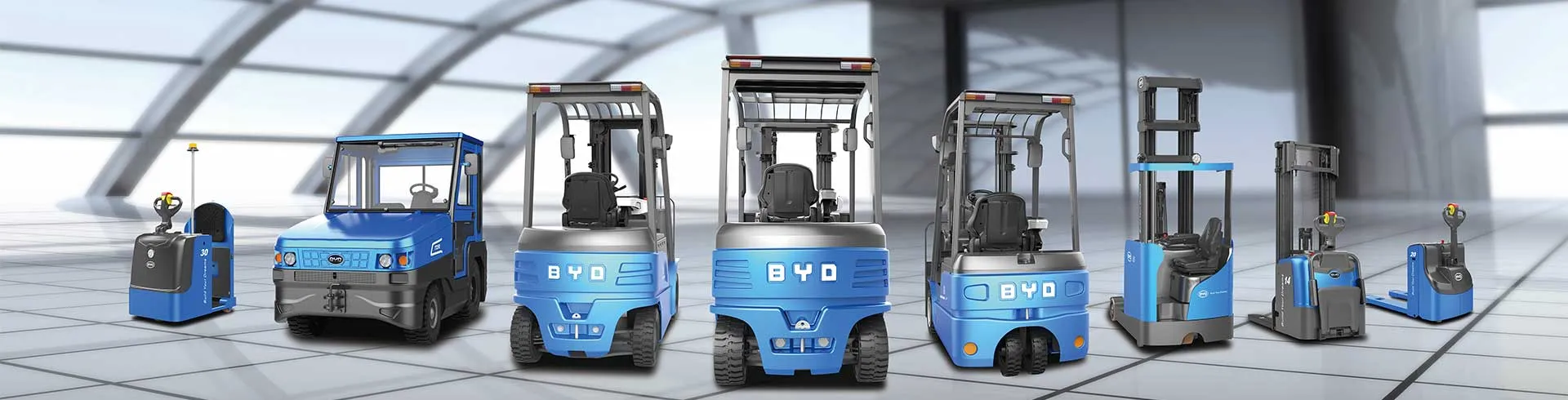
For businesses seeking a balanced approach, Jianshu New Energy offers comprehensive solutions that integrate advanced electric forklift technology. Their platforms are designed to optimize energy efficiency and reduce spare-part consumption. Similarly, BYD Forklift provides reliable electric models with long-lasting lithium-ion batteries, further lowering maintenance intervals and part replacement frequency.
In summary, when comparing electric and diesel forklift costs, consider the full lifecycle: purchase, energy, maintenance, and spare parts. For many indoor and light-to-medium duty applications, electric forklifts offer lower total cost of ownership. For heavy outdoor operations with long shift hours, diesel forklifts may still be viable. We recommend evaluating your specific operational needs and consulting with experts. For more information, contact us at 17399989919@163.com.


