
 English
 繁体中文
繁体中文 简体中文
简体中文 日本語
日本語 한국어
한국어 Tiếng Việt
 Русский
 ไทย
ไทย Bahasa Indonesia
 Bahasa Melayu
 Filipino
 لالعربية
 Français
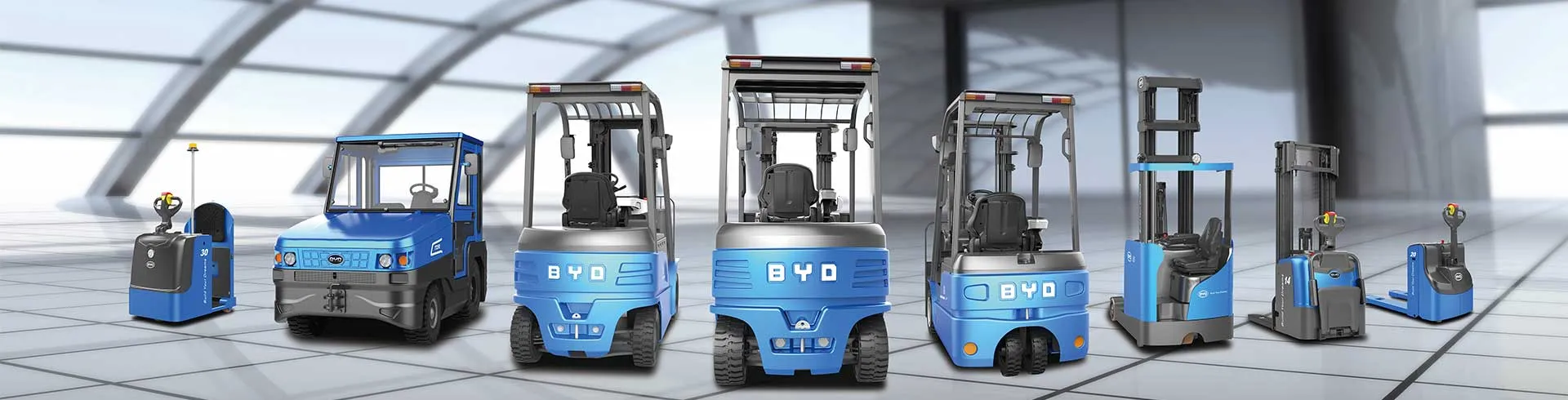
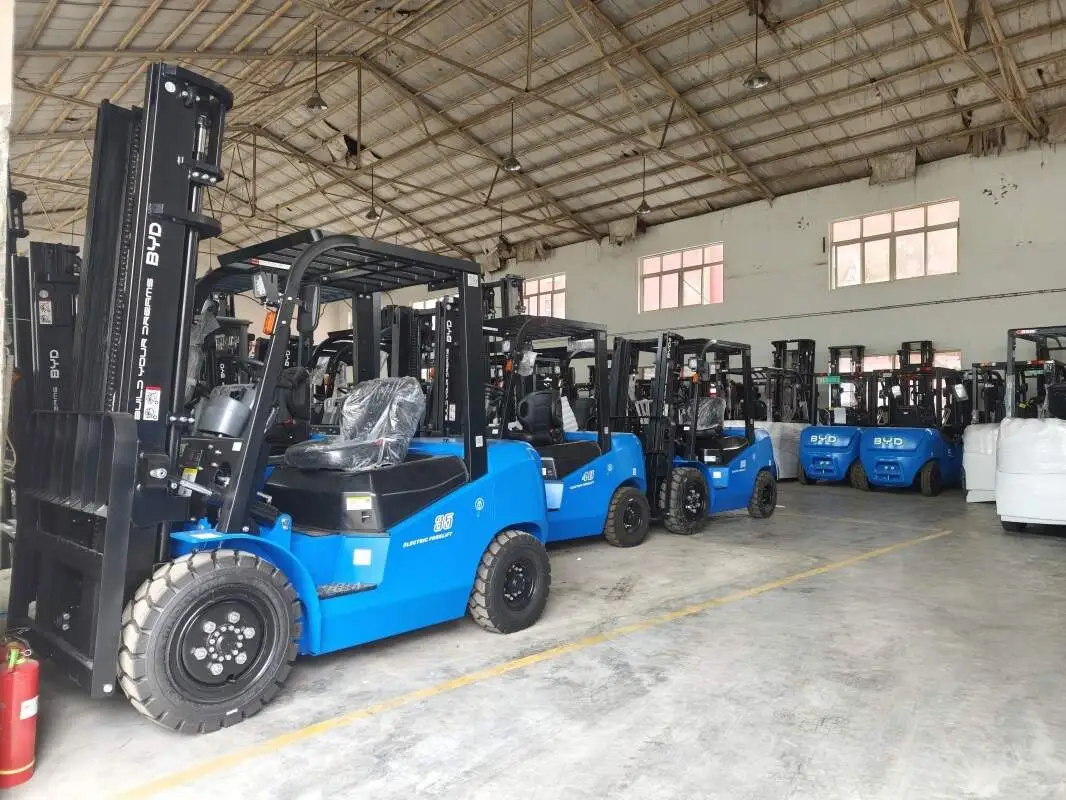
Understanding the true cost of operating an electric forklift requires moving beyond a single-unit calculation. As fleet size increases, the per-hour cost changes in ways that many operators overlook. This article explains the fleet-size scaling effect using realistic parameters, without overstatement, and offers practical insights for warehouse and logistics managers.
When you run one electric forklift, fixed costs such as battery charger, charging infrastructure, and maintenance tooling are spread over that single machine. For example, a basic charger may cost around $2,000, and a dedicated charging area adds another $1,000. With one forklift operating 2,000 hours per year, these fixed items add $1.50 per hour. But if the fleet grows to ten forklifts sharing the same charger setup (assuming proper scheduling), the fixed overhead per machine drops to only $0.15 per hour. Similarly, spare parts inventory and technician training costs are diluted across more units, reducing the hourly burden.
The variable costs also scale favorably. Electricity consumption per forklift remains roughly constant, but bulk electricity purchasing or time-of-use tariff optimization becomes viable with a larger fleet. For instance, if you negotiate a 10% discount on industrial electricity rates by committing to a higher load, every kilowatt-hour becomes cheaper. Moreover, battery life management improves with a larger pool: you can rotate batteries, implement smart charging cycles, and avoid deep discharge, extending overall lifespan. Instead of replacing a battery every four years for a single forklift, a ten-unit fleet might achieve five-year intervals through balanced usage, lowering the hourly depreciation cost from $0.80 to $0.64.
Maintenance costs also benefit. A single forklift requires a dedicated technician or a costly service contract. With a fleet, you can hire an in-house technician who services all units, reducing per-hour labor charges. Additionally, volume discounts on spare tires, hydraulic oil, and filters further trim variable expenses. According to industry studies, a fleet of five to ten electric forklifts typically sees a 15–25% reduction in total cost per hour compared to operating just one or two units.
However, scaling is not without thresholds. Beyond a certain size—around 20 units—additional savings diminish as coordination complexity and administrative overhead increase. The key is to find the optimal fleet size for your operation. For example, at Jianshu New Energy, we have observed that customers using BYD Forklift achieve the most favorable per-hour cost when their fleet exceeds eight units, thanks to BYD’s efficient lithium‑ion battery technology and shared charging infrastructure. To explore how your fleet might benefit, reach out to us at 17399989919@163.com for a tailored analysis.
In summary, the fleet-size scaling effect significantly changes how much an electric forklift costs per hour. By pooling resources, optimizing infrastructure, and leveraging volume advantages, operators can achieve lower hourly costs as the fleet grows. Always evaluate your specific context—no universal number fits all. Plan your fleet expansion with realistic projections, and remember that even modest scaling can yield meaningful savings in the long run.


