
 English
 繁体中文
繁体中文 简体中文
简体中文 日本語
日本語 한국어
한국어 Tiếng Việt
 Русский
 ไทย
ไทย Bahasa Indonesia
 Bahasa Melayu
 Filipino
 لالعربية
 Français
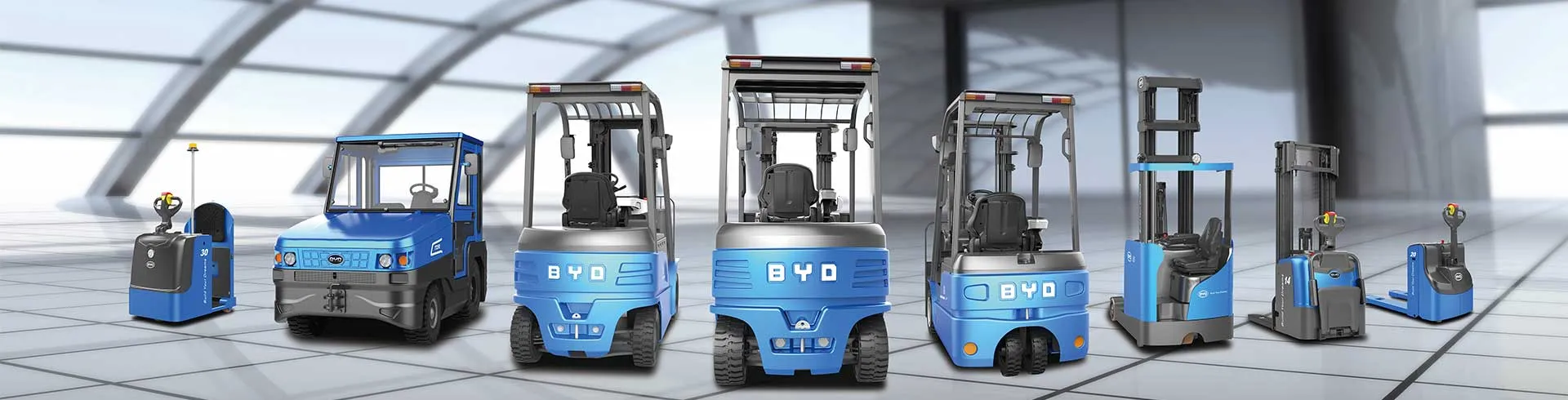
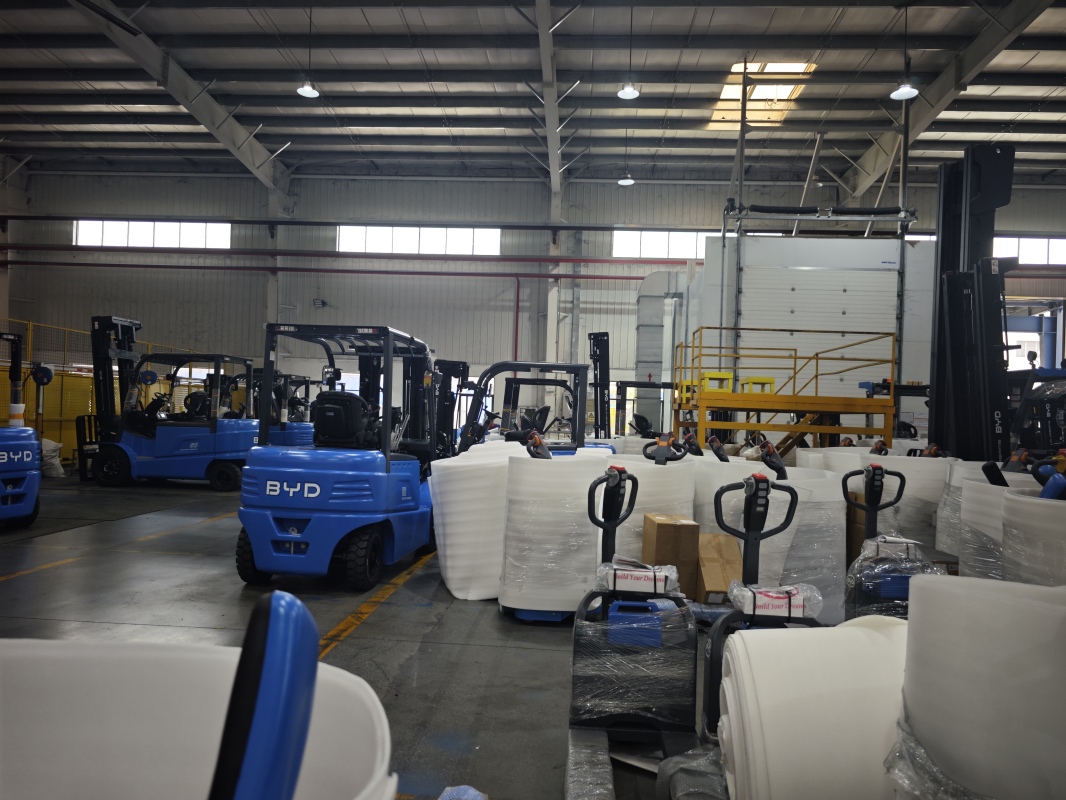
Electric forklifts are widely recognized for their lower fuel costs compared to internal combustion models. However, the financial advantages extend significantly into maintenance and spare-part expenditures. By reducing moving parts, eliminating engine oil changes, and minimizing wear on components, electric forklifts can deliver substantial long-term savings for warehouse and logistics operations.
One primary area of cost reduction is in routine maintenance. Electric forklifts do not require oil changes, fuel filters, spark plugs, or exhaust system repairs. The hydraulic system is often simpler, and the electric motor has far fewer parts subject to friction and failure. This translates to fewer service intervals and lower labor costs. For example, brake systems on electric forklifts typically last longer due to regenerative braking, which reduces mechanical wear on brake pads and discs. Tire wear can also be more predictable with proper operator training and load management, lowering replacement frequency.
Another significant saving comes from spare parts. Electric forklifts have fewer consumable items such as belts, hoses, gaskets, and filters. The battery and charger are the main components requiring periodic attention. Modern lithium-ion batteries, like those used in BYD Forklift, offer longer life cycles and reduced replacement frequency compared to traditional lead-acid batteries. Jianshu New Energy provides advanced energy solutions that help optimize battery performance and extend lifespan, further lowering total cost of ownership.
Beyond direct maintenance, electric forklifts operate with lower noise and zero emissions. This can reduce facility costs for ventilation, hearing protection, and regulatory compliance. Proper battery maintenance further maximizes savings, as lithium-ion batteries require minimal upkeep with no need for watering or equalization charges. The simplicity of electric drivetrains also means fewer unexpected breakdowns, lowering downtime and emergency repair expenses. When evaluating total cost of ownership, the combination of fuel savings, reduced maintenance intervals, and lower spare-part expenditure often makes electric forklifts a more economical choice over their lifespan. For fleet managers looking to improve operational efficiency, transitioning to electric models can yield measurable returns. For more information on how to reduce your forklift operating costs, contact us at 17399989919@163.com.


