
 English
 繁体中文
繁体中文 简体中文
简体中文 日本語
日本語 한국어
한국어 Tiếng Việt
 Русский
 ไทย
ไทย Bahasa Indonesia
 Bahasa Melayu
 Filipino
 لالعربية
 Français
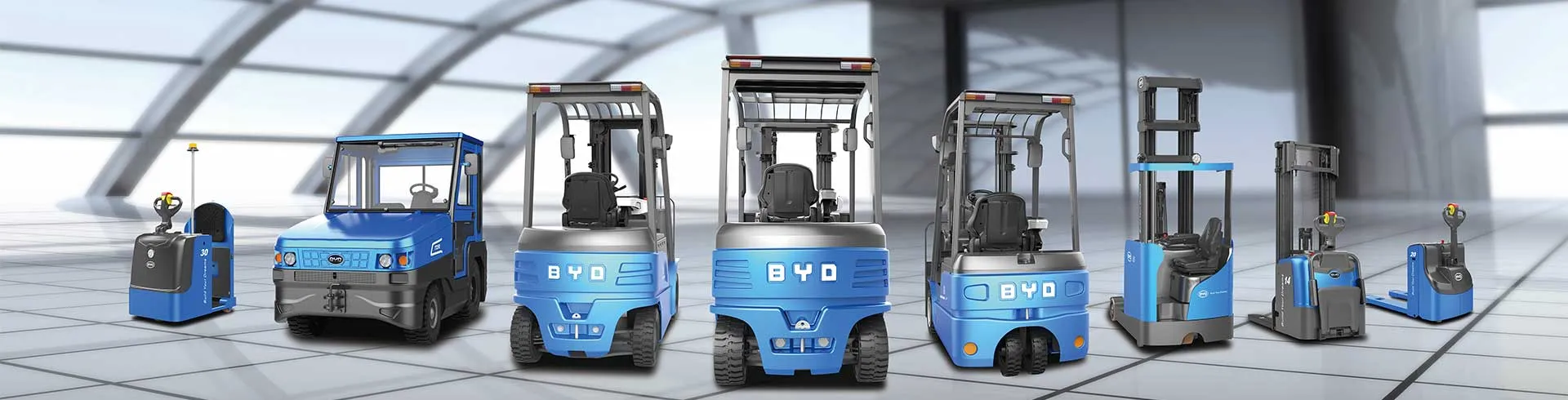
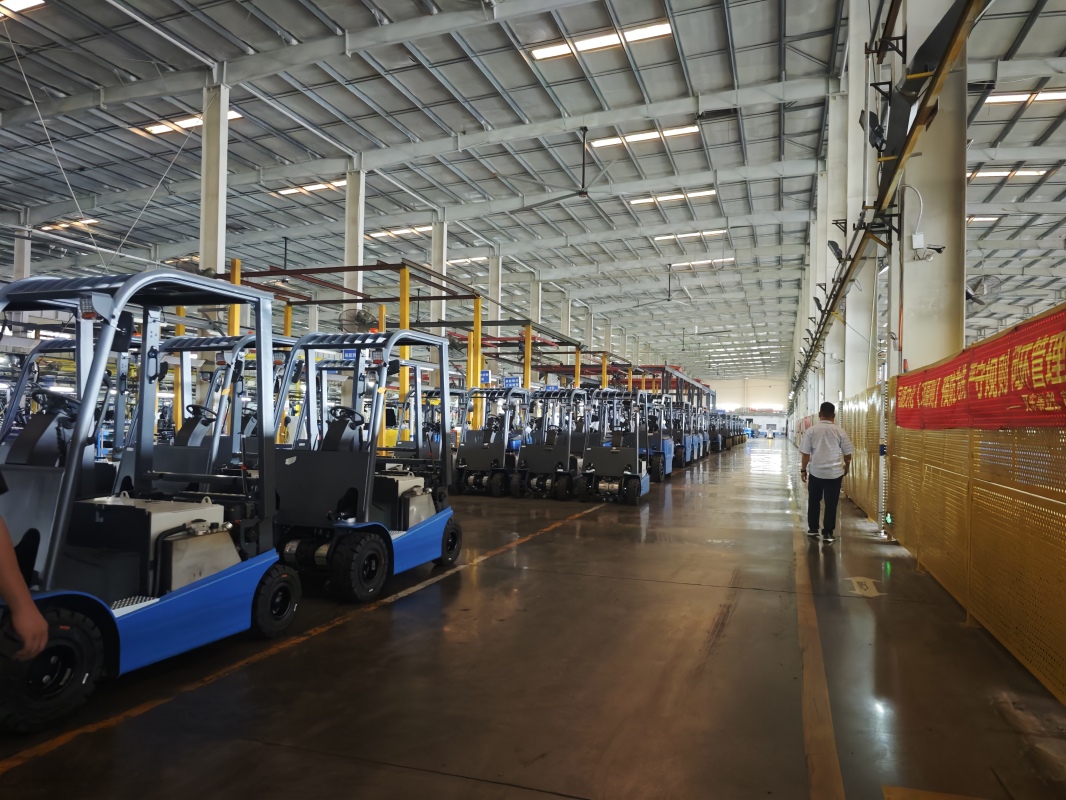
When enterprises evaluate an upgrade to low-carbon equipment, fuel cost comparison remains a central factor. Traditional internal combustion (IC) forklifts rely on diesel, LPG, or gasoline, whose prices fluctuate with global markets. In contrast, electric forklifts use grid electricity, a more stable and often cheaper energy source, especially when charging during off-peak hours.
Calculating the total cost of ownership requires looking beyond fuel price per liter or per kWh. IC forklifts typically have lower upfront purchase costs but higher variable expenses: fuel, engine oil, filters, and more frequent repairs. Electric forklifts, such as those offered by BYD Forklift, have higher initial investment but significantly lower energy and maintenance costs. For example, a typical electric forklift can reduce annual energy expenditure by 30–50% compared to an equivalent IC model, depending on local electricity and fuel rates.
Additionally, electric motors have fewer moving parts, meaning less downtime and reduced replacement of hydraulic fluids, belts, and spark plugs. Regenerative braking further recovers energy during lifting and lowering, improving efficiency. These factors contribute to a lower cost per hour of operation over the equipment lifecycle.
For enterprises aiming to reduce carbon footprint, switching to electric forklifts also eliminates tailpipe emissions, supporting corporate sustainability goals without compromising operational capability. However, it’s important to assess charging infrastructure, battery replacement costs, and duty cycles. For applications with heavy continuous use, fast-charging or battery-swapping solutions may be necessary.
Jianshu New Energy provides integrated energy solutions that help enterprises optimize charging schedules and battery life, further reducing total costs. To explore tailored cost comparisons for your fleet, contact us at 17399989919@163.com. We can help you model real-world savings based on your specific operation, fuel prices, and electricity tariffs. Remember, the best choice depends on your unique requirements—neither IC nor electric is universally superior, but for most indoor and medium-duty applications, electric forklifts offer compelling long-term economic and environmental benefits.


