
 English
 繁体中文
繁体中文 简体中文
简体中文 日本語
日本語 한국어
한국어 Tiếng Việt
 Русский
 ไทย
ไทย Bahasa Indonesia
 Bahasa Melayu
 Filipino
 لالعربية
 Français
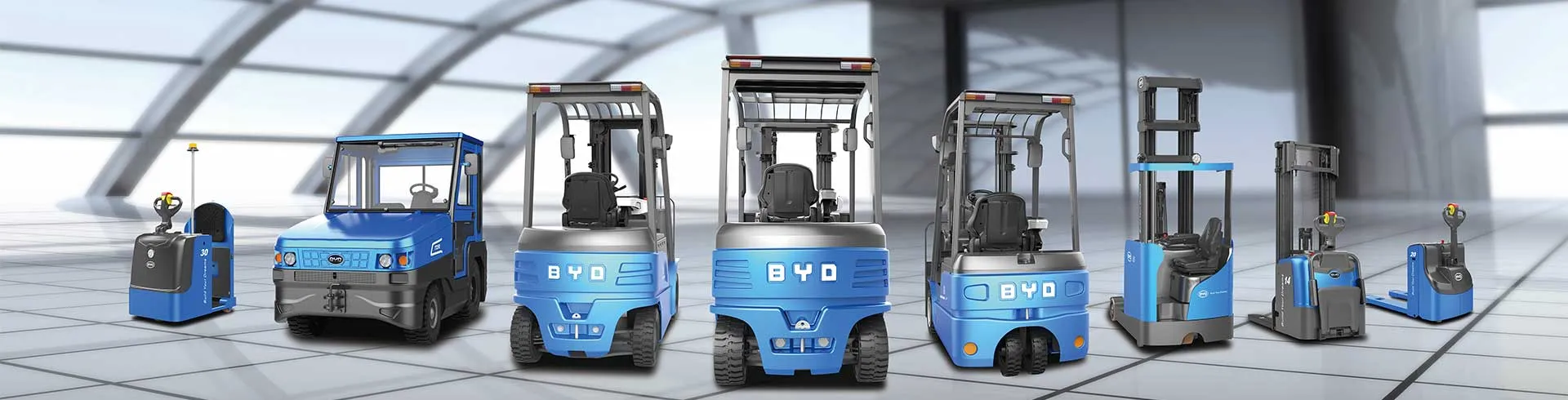
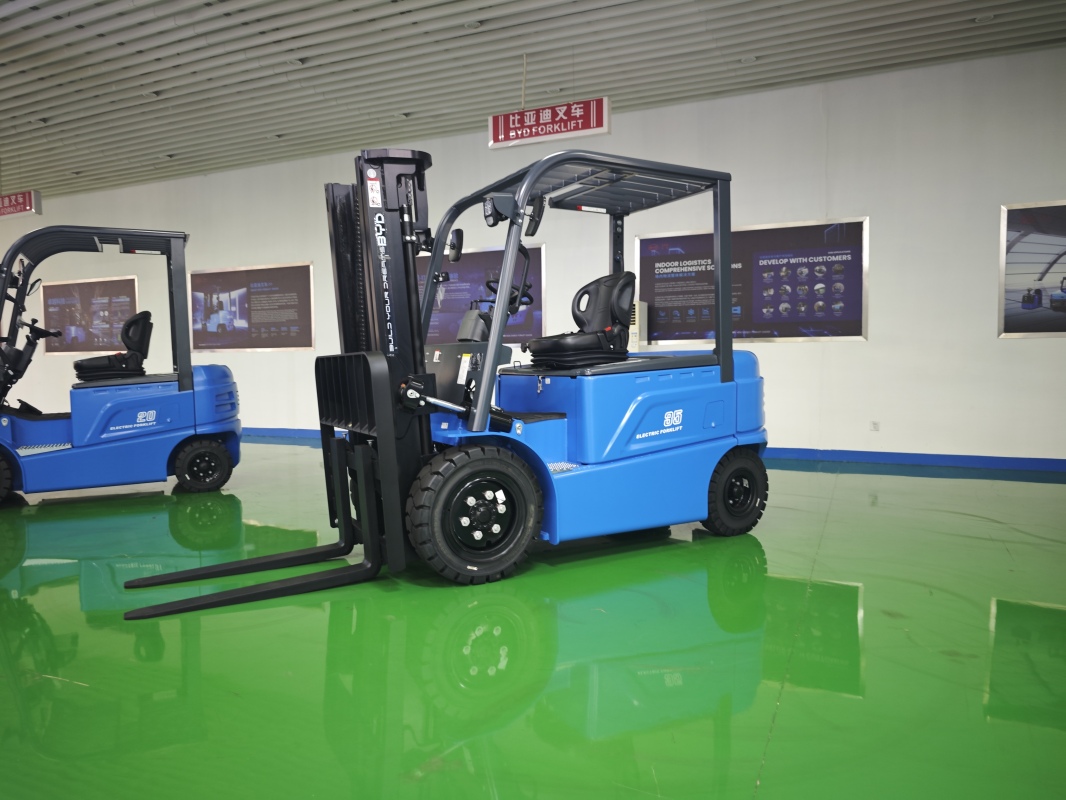
When evaluating forklift fleets for rental-based operation business models, total cost of ownership (TCO) analysis is essential. Unlike outright purchase decisions, leasing requires a granular understanding of costs spread over the equipment's lifecycle. This article provides a comprehensive, fact-based guide to TCO for rental forklifts, focusing on electric models.
TCO comprises four main categories: acquisition, energy, maintenance, and residual value. For rental businesses, acquisition cost is the initial investment or lease deposit. Electric forklifts often have a higher upfront purchase price than internal combustion (IC) alternatives, but lease structures can spread this over monthly payments. Energy cost is a key differentiator. Electricity is generally cheaper per unit of work than diesel or LPG. Advanced lithium-ion batteries also reduce charging time and improve utilization rates, lowering per-pallet energy expense.
Maintenance cost for electric forklifts is significantly lower because they have fewer moving parts, no engine oil changes, and no exhaust system repairs. Regenerative braking extends brake life. However, battery replacement—typically after 1,500 to 2,000 cycles—must be factored into TCO projections. For rental companies, battery management systems (BMS) can extend battery life and reduce downtime.
Residual value is often more stable for electric models due to increasing environmental regulations and growing demand for clean energy equipment. A well-maintained electric forklift retains a higher percentage of its initial value after a lease term. Depreciation calculation should align with expected usage hours and lease duration.
Operational efficiency also impacts TCO. Electric forklifts provide instant torque, smooth acceleration, and quiet operation, which can improve operator productivity and reduce fatigue. Lower noise and zero emissions allow indoor use without ventilation costs, a benefit for warehouse operations.
To build a realistic TCO model, gather data on local electricity tariffs, average daily usage hours, battery charging patterns, and maintenance intervals. Include overhead costs such as insurance, training, and administrative fees. Compare these figures against IC forklift scenarios to identify true savings.
For rental businesses aiming to optimize fleet economics, partnering with a reliable supplier is critical. Jianshu New Energy offers comprehensive solutions for electric forklifts, including BYD Forklift models renowned for long battery life and low TCO. Their leasing programs are designed to align with rental operators' cash flow needs.
contact us at 17399989919@163.com for a customized TCO analysis. Evaluate your fleet's total cost of ownership with data-driven insights and make informed decisions for a sustainable and profitable rental operation.


