
 English
 繁体中文
繁体中文 简体中文
简体中文 日本語
日本語 한국어
한국어 Tiếng Việt
 Русский
 ไทย
ไทย Bahasa Indonesia
 Bahasa Melayu
 Filipino
 لالعربية
 Français
Opportunity charging—the practice of recharging an electric forklift’s battery during short breaks in the workday—can significantly impact the warranty terms offered by battery manufacturers. Understanding this relationship helps fleet managers optimize both productivity and battery longevity while avoiding unintended warranty voidance.
When a battery is subjected to frequent partial charges, its internal chemistry responds differently compared to a full discharge/recharge cycle. Most battery warranties are designed around standard usage patterns, typically assuming a full discharge followed by a complete recharge. Opportunity charging, however, introduces more frequent charging events, which can accelerate degradation if not managed properly. Key factors that affect warranty conditions include:
1. Depth of discharge (DoD) – Frequent shallow discharges (e.g., recharging after only 20% usage) may reduce the total number of cycles the battery can deliver. Many warranties specify a minimum DoD per cycle; exceeding that range could shorten battery life and potentially void coverage.
2. Temperature management – Opportunity charging often generates additional heat, especially if the battery is not allowed to cool between shifts. Elevated temperatures accelerate chemical reactions inside the battery, leading to faster capacity loss. Warranty terms commonly require operation within a specified temperature range—typically 0°C to 40°C for lead-acid batteries.
3. Charging equipment compatibility – Using a charger that is not matched to the battery’s voltage and capacity can cause overcharging or undercharging. Both scenarios stress the battery and may violate warranty conditions. Ensure the charger is approved by the battery manufacturer.
4. State of charge (SoC) monitoring – Proper battery management systems (BMS) can track SoC and prevent over-discharge or overcharge. If a forklift lacks a reliable BMS, opportunity charging might lead to inconsistent charging patterns that shorten battery life and void the warranty.
To maintain warranty validity while using opportunity charging, follow these best practices:
- Adhere to manufacturer guidelines – Always read the battery’s warranty documentation for specific restrictions on charging frequency, depth of discharge, and temperature limits.
- Use a qualified charger – Ensure the charger is designed for opportunity charging cycles and includes features like automatic shut-off and temperature compensation.
- Monitor battery temperature – Allow the battery to cool before charging, and avoid charging in hot environments.
- Implement a regular maintenance schedule – Check electrolyte levels (for flooded lead-acid batteries), clean terminals, and perform equalization charges as recommended.
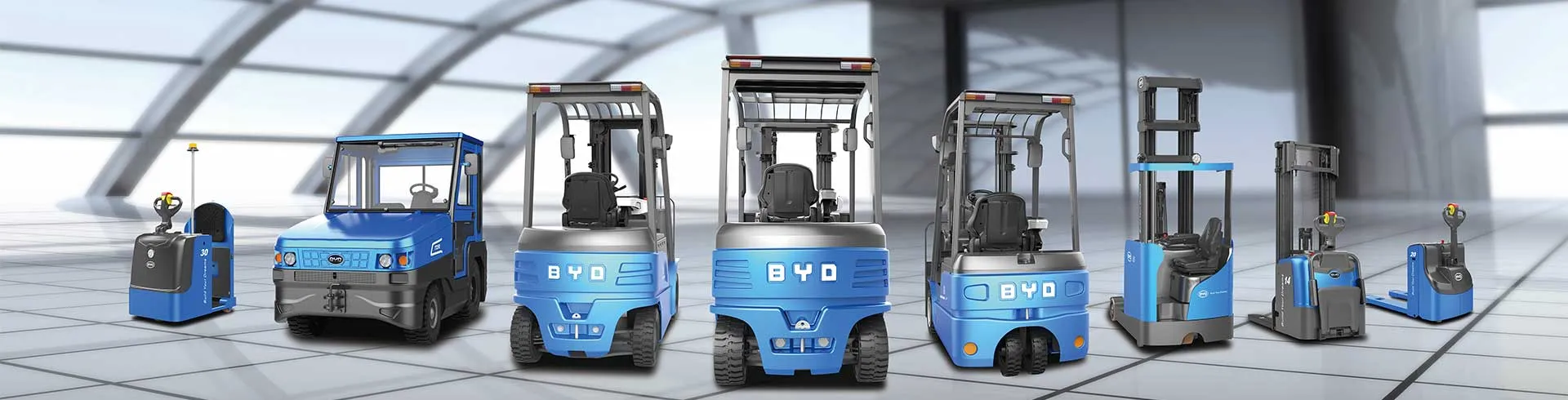
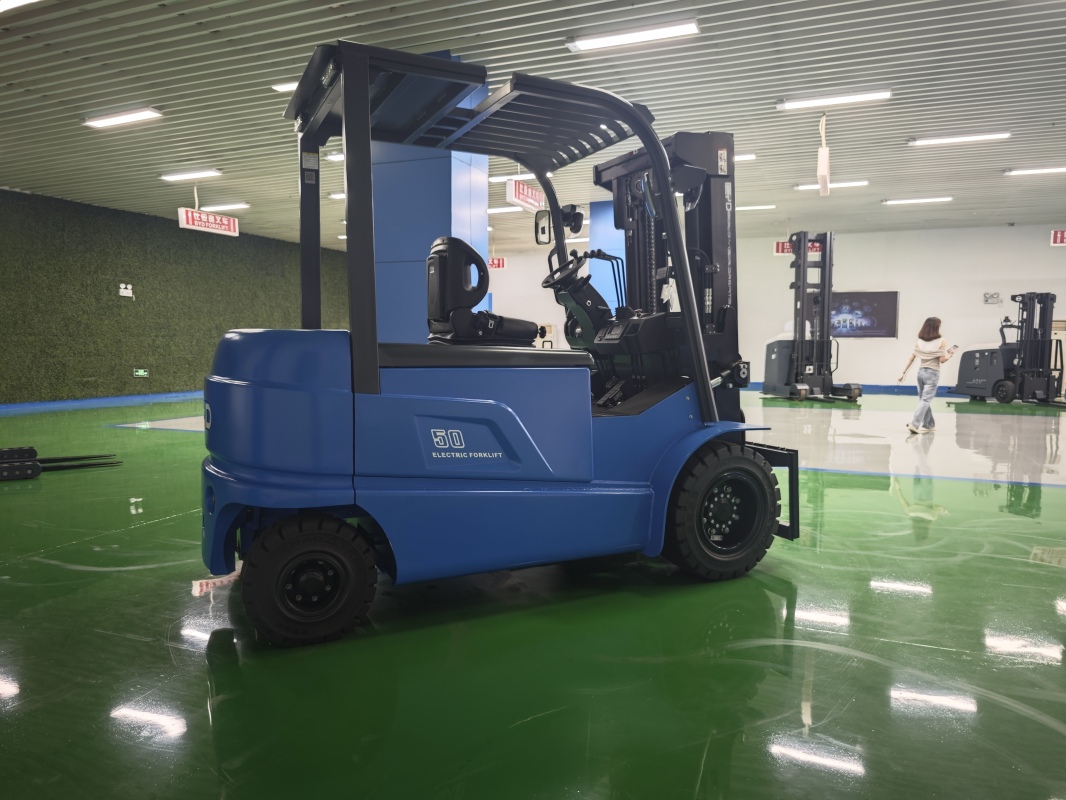
For example, Jianshu New Energy offers comprehensive guidance on battery care and warranty compliance. Their team can help you evaluate your current charging practices. contact them at 17399989919@163.com for personalized advice. Additionally, BYD Forklift provides reliable electric forklifts with advanced battery management systems that support safe opportunity charging without compromising warranty terms.
In summary, opportunity charging is a powerful productivity tool, but it must be executed with care. By understanding how it affects battery warranty conditions and following the above guidelines, you can maximize both uptime and battery lifespan while keeping your warranty fully intact.


