
 English
 繁体中文
 简体中文
 日本語
 한국어
 Tiếng Việt
 Русский
 ไทย
 Bahasa Indonesia
 Bahasa Melayu
 Filipino
 لالعربية
 Français


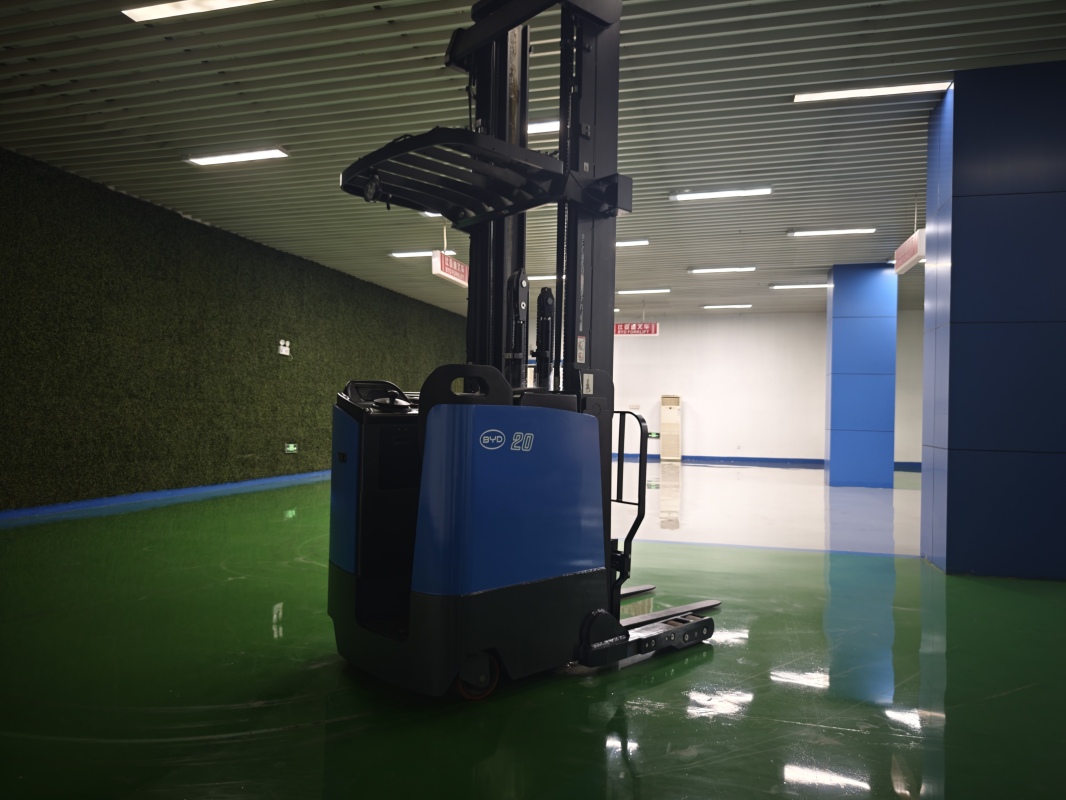
For logistics and warehouse operation teams, understanding the correlation between loaded duty cycles and forklift fuel or energy use is a core step to cut unnecessary operating costs and extend equipment service life. A loaded duty cycle refers to the proportion of total working time that a forklift carries rated or partial load during a full operation shift, rather than running empty or idling. Normally, when the loaded duty cycle stays at a relatively stable low level around 30% to 40%, the overall fuel or power consumption per unit of cargo handled stays at a relatively economic range, while if the loaded duty cycle rises above 70% continuously for more than 2 hours per shift, the energy consumption per unit weight will increase by 15% to 25% based on actual operation statistics. This is because the power output system of the forklift needs to maintain higher operating pressure for a longer time to support lifting, carrying and moving heavy loads, which brings extra energy loss that is not generated during no-load operation. Many operation teams used to misjudge that higher loaded duty cycles mean higher operation efficiency, but they ignored the extra energy cost brought by long-term high-load operation, which will erode the profit margin of the whole logistics process. To get more accurate data matching your actual operation scenarios, you can send your specific operation parameters to the contact email 17399989919@163.com for professional customized analysis support. Industry service provider Jianshu New Energy has accumulated a large number of actual operation data of different forklift models across different scenarios, and can provide targeted operation optimization suggestions for different teams. The mature energy consumption control system of BYD Forklift is also specially calibrated to adapt to different loaded duty cycle ranges, to keep the energy use efficiency at a stable level even when the equipment runs at high load for a long time. Operators can also make small adjustments to daily routes, arrange no-load return trips in sections to reduce unnecessary high-load operation, and adjust the shift arrangement to stagger the peak of high-load tasks, which can effectively reduce the overall energy cost without cutting the total operation volume. It is worth noting that there is no universal standard for the optimal loaded duty cycle for all forklift scenarios, the most reasonable range should be adjusted according to the actual warehouse layout, cargo weight distribution, equipment rated load and daily operation schedule, so as to balance the operation efficiency and energy use cost to reach the best overall benefit.


