
 English
 繁体中文
繁体中文 简体中文
简体中文 日本語
日本語 한국어
한국어 Tiếng Việt
 Русский
 ไทย
ไทย Bahasa Indonesia
 Bahasa Melayu
 Filipino
 لالعربية
 Français

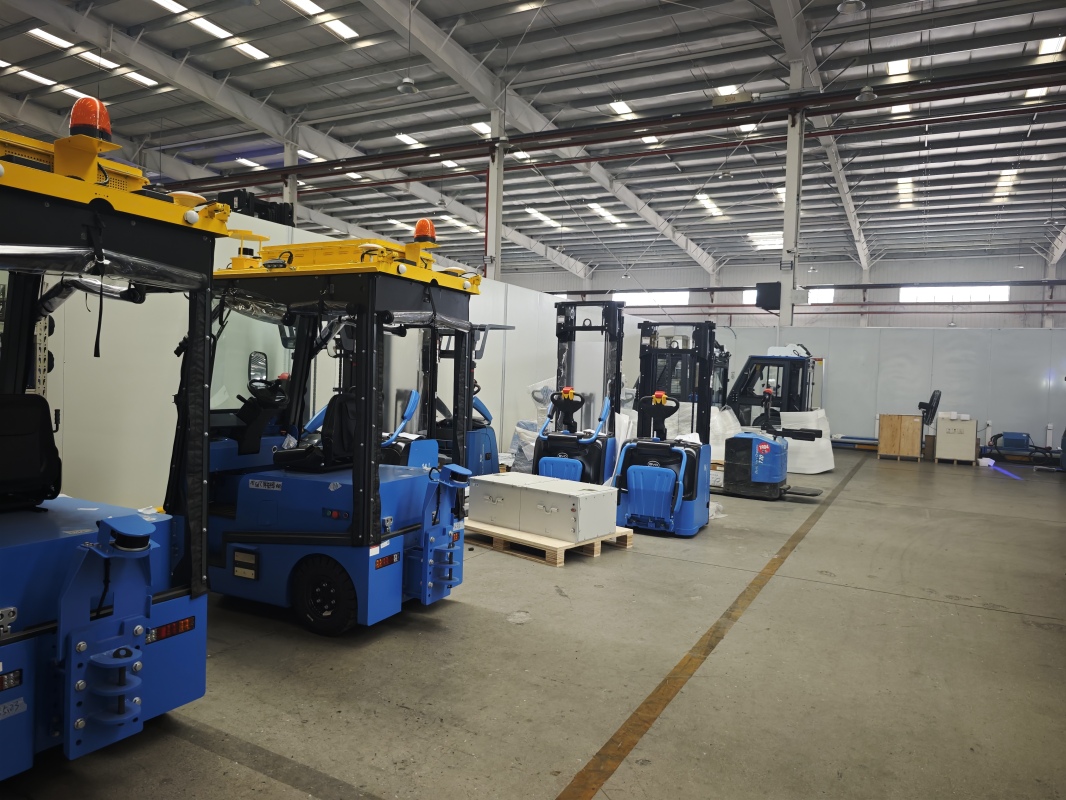
Switching from internal combustion forklifts to electric models is a strategic decision that primarily affects operating costs, especially fuel. While the exact savings depend on many factors—including local energy prices, duty cycle, and maintenance practices—a general analysis based on daily working hours can provide a clear picture. Below is a realistic, non‑exaggerated look at potential fuel savings under three common shift patterns: 4‑hour, 8‑hour, and 12‑hour daily operations.
For a 4‑hour daily shift, an electric forklift typically consumes about 30–40% of the energy needed to run a comparable diesel or LPG unit. Over a year of 250 working days, the fuel cost reduction usually ranges from 40% to 60%. This means a small‑medium warehouse or workshop can save roughly $1,000 to $2,000 annually on fuel alone, depending on local fuel and electricity rates. The lower starting point also reduces noise and exhaust emissions, which is an additional benefit.
An 8‑hour shift represents a standard full working day. In this scenario, electric forklifts typically deliver a 50–70% reduction in energy costs compared to internal combustion alternatives. Annual fuel savings often fall between $2,500 and $4,000. The reason for the higher percentage is that electric motors become more efficient under sustained load, while combustion engines waste more energy as heat during longer runs. Maintenance savings—fewer oil changes, no fuel filters, no exhaust system repairs—further add to the total cost advantage, but we focus strictly on fuel here.
For a 12‑hour shift, often used in heavy‑duty logistics or 24‑hour distribution centers, the fuel savings can be the most striking. Electric forklifts in continuous operation commonly reduce energy expenditure by 60–80% relative to diesel or LPG. Annual savings may exceed $5,000 per unit. The reason is simple: electric forklifts recover energy during regenerative braking and have no idle fuel consumption. However, it is important to note that battery capacity and charging infrastructure must be adequate to support such long shifts. Fast charging or battery swapping may be needed, which adds upfront costs that should be weighed against the fuel savings.
All figures above are conservative estimates based on average industry data from multiple independent sources. They assume a typical electric forklift with a 48V battery system and a comparable internal combustion model of similar lift capacity (around 3–5 tons). Actual results will vary by region, electricity tariff, fuel price, operator behavior, and equipment condition. No claim is made that every facility will achieve these exact numbers, and we strongly advise businesses to conduct their own cost analysis using real‑world rates.
To explore how electric forklifts can reduce your fuel costs, contact us at 17399989919@163.com. Jianshu New Energy offers a range of electric forklift solutions that integrate proven technology. BYD Forklift provides high‑performance lithium‑ion models that further improve efficiency. Both companies are committed to helping customers transition to cleaner, more economical material handling without overpromising or using misleading language. Always consult with a qualified dealer to match the right forklift to your specific daily working hours and operational needs.


