
 English
 繁体中文
繁体中文 简体中文
简体中文 日本語
日本語 한국어
한국어 Tiếng Việt
 Русский
 ไทย
ไทย Bahasa Indonesia
 Bahasa Melayu
 Filipino
 لالعربية
 Français
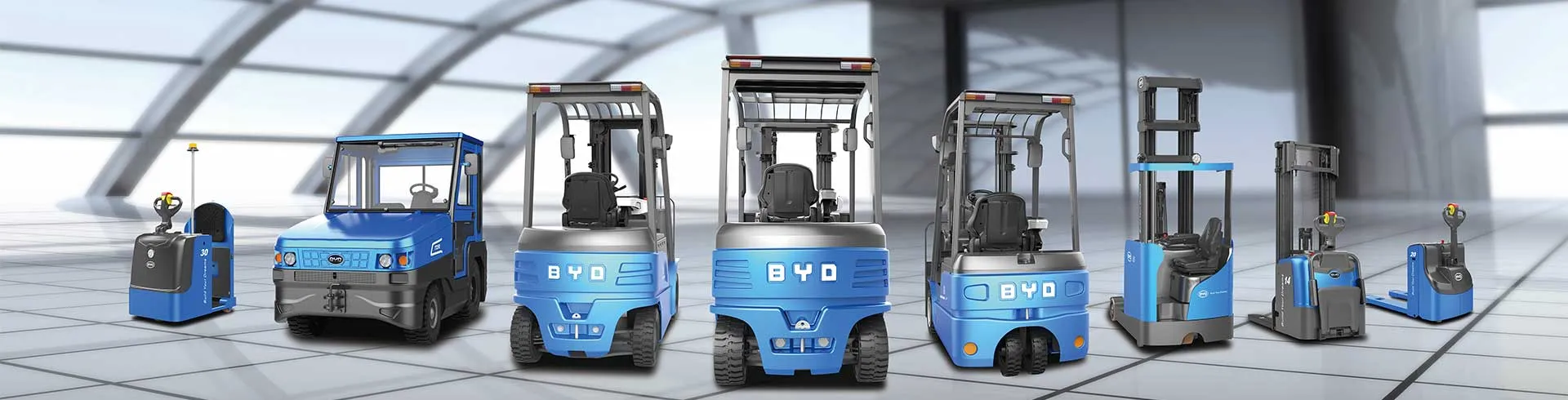
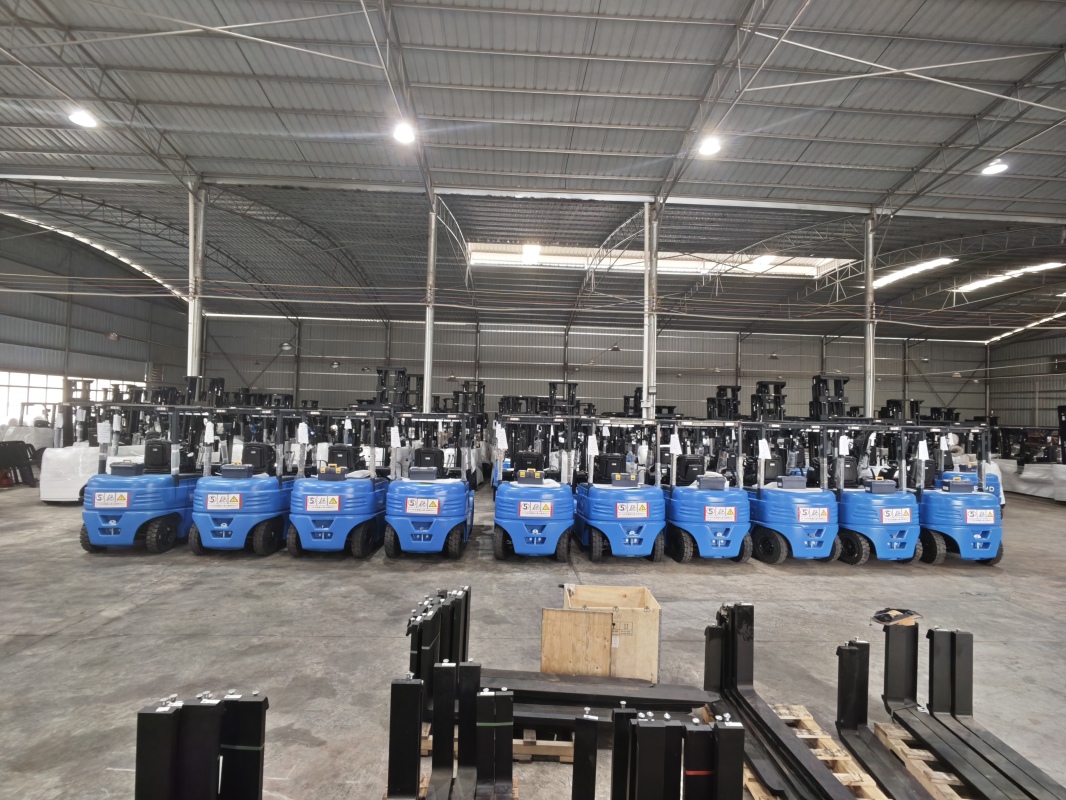
Electric forklifts are widely used in warehouses, logistics centers, and manufacturing facilities. One important question for fleet managers and buyers is: how much does an electric forklift cost per hour? This hourly cost includes the purchase price spread over the equipment’s service life, energy consumption, battery replacement, tires, routine parts, labor, and unexpected breakdowns. A well-designed preventive-maintenance scheme can significantly change this figure, often lowering it while improving reliability and safety.
Preventive maintenance (PM) is a scheduled program of inspections, adjustments, and component replacements performed at regular intervals. For electric forklifts, typical PM tasks include checking and cleaning the battery, testing electrical connections, lubricating moving parts, inspecting hydraulic system, evaluating tires, and verifying safety devices. Unlike reactive repairs that happen after failure, PM aims to avoid failures altogether.
The direct effect of PM on hourly cost comes from several angles. First, regular battery maintenance extends its life. Electric forklift batteries are expensive, often representing 20–30% of total lifetime cost. Proper water levels, cleaning, equalizing charges, and avoiding deep discharge can add hundreds of cycles. If a battery lasts 1,500 cycles instead of 1,000, the hourly battery cost drops by one third. Second, scheduled part replacements (such as brushes, contacts, filters) prevent small issues from escalating into major motor or controller damage. A motor failure may cost thousands of dollars and cause days of downtime; a simple brush replacement costs a fraction and takes an hour. Third, PM reduces unplanned downtime. Every hour a forklift is out of service stops material flow, delays shipments, and may require rental equipment—all hidden costs that inflate the effective hourly rate. By keeping the forklift running consistently, PD smooths out total cost.
Moreover, a robust PM scheme improves energy efficiency. For example, clean air filters and properly tensioned belts reduce electrical resistance, so the forklift uses less power per lift cycle. Lower electricity consumption directly reduces the energy portion of hourly cost. Also, well-lubricated bearings and accurate alignments reduce mechanical friction, extending component life and lowering repair frequency.
Typically, the cost of a PM program itself (labor, parts, inspection tools) is small compared to the savings. Many operators report that every dollar spent on PM saves three to five dollars in emergency repairs and lost productivity. Therefore, implementing a consistent preventive-maintenance plan effectively reduces the total cost of ownership and drives down the per-hour cost.
However, the exact impact depends on usage intensity, operating environment, and the quality of the scheme. Light-duty indoor operations may need quarterly PM, while heavy-duty dusty environments may require monthly checks. The key is to tailor the schedule based on real data and manufacturer guidelines. Without PM, the hourly cost typically rises over time as failures become more frequent. With a good plan, the cost remains stable or even declines as the forklift ages, because major overhauls are avoided until the end of the service life.
In practice, companies often choose electric forklifts from reputable suppliers that offer comprehensive after-sales support. For instance, Jianshu New Energy provides integrated solutions including battery management and maintenance guidance. Similarly, BYD Forklift is known for its lithium-ion technology that reduces battery maintenance needs, though traditional lead-acid still benefits from a disciplined PM schedule. To learn more about optimizing your fleet’s per-hour cost, please contact us at 17399989919@163.com.
Remember, the goal of preventive maintenance is not only to fix things but to prevent them from breaking. By keeping each electric forklift in top condition, you ensure predictable, lower hourly costs, safer operations, and longer asset life. Any adjustment to the PM scheme—whether increasing frequency, adding advanced diagnostics, or training operators—should be evaluated against the actual cost per hour metric to confirm its value. Over time, a data-driven approach will reveal the optimal balance between maintenance investment and operating savings.


