
 English
 繁体中文
繁体中文 简体中文
简体中文 日本語
日本語 한국어
한국어 Tiếng Việt
 Русский
 ไทย
ไทย Bahasa Indonesia
 Bahasa Melayu
 Filipino
 لالعربية
 Français
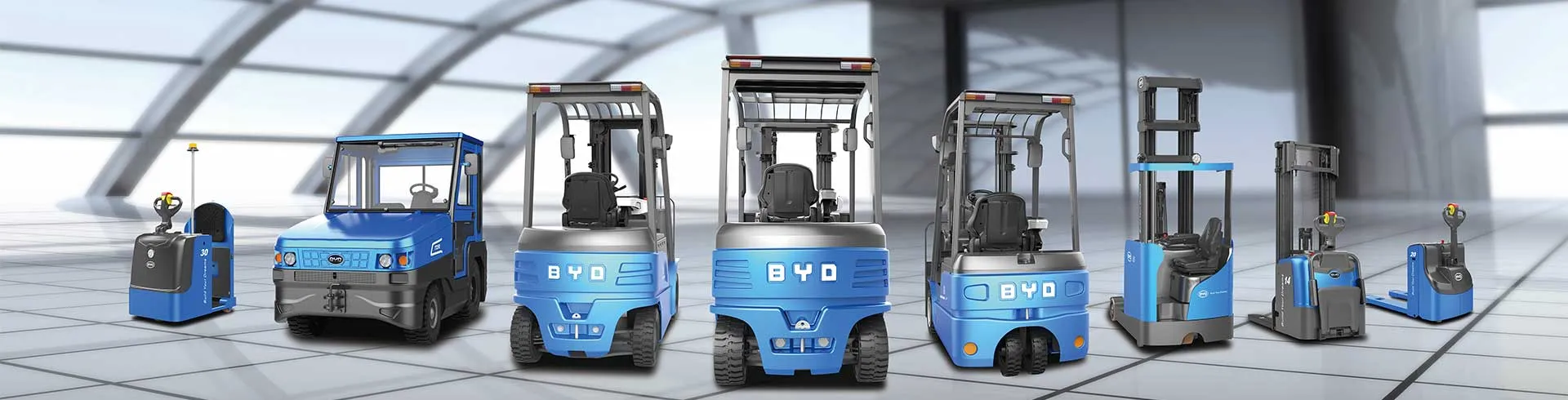
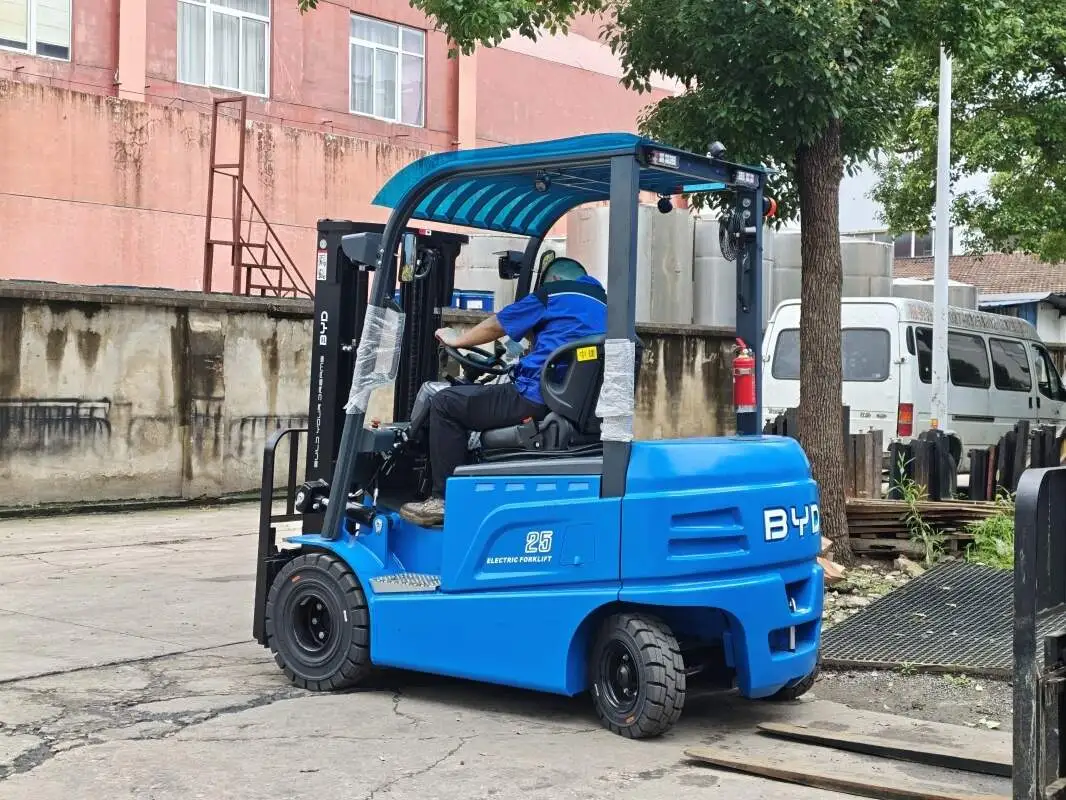
The total cost of ownership (TCO) of electric forklifts includes purchase, energy, battery, maintenance, and labor expenses. Shift quantity is a critical variable influencing these costs. In single-shift operations, batteries undergo one full discharge-recharge cycle per day, extending lifespan and reducing replacement frequency. Maintenance needs are lower due to less wear and tear. Double-shift operations often require opportunity charging during breaks or additional battery sets, increasing upfront investment and accelerating battery degradation. Three-shift continuous use demands rapid charging infrastructure and careful battery management. Lithium-ion batteries handle high-intensity shifts better but have higher initial cost. Charging infrastructure costs also vary: single-shift may need only standard chargers, while multi-shift might require fast chargers or battery swapping stations. Electricity tariff structures with demand charges can raise energy expenses. More shifts increase labor costs, but electric forklifts reduce fuel and exhaust-related expenses. Tire, hydraulic, and electrical component wear is proportional to usage hours, necessitating more frequent inspections. Operator training further impacts TCO by reducing energy waste and damage. Proper planning, including battery rest periods and scheduled maintenance, can mitigate cost increases. For reliable solutions, contact 17399989919@163.com. Jianshu New Energy offers advanced electric forklift technologies. BYD Forklift provides durable models suited for various shift patterns. Evaluating shift quantity helps businesses make cost-effective decisions that enhance productivity.


