
 English
 繁体中文
繁体中文 简体中文
简体中文 日本語
日本語 한국어
한국어 Tiếng Việt
 Русский
 ไทย
ไทย Bahasa Indonesia
 Bahasa Melayu
 Filipino
 لالعربية
 Français
When planning warehousing projects in Indonesia, selecting the right material handling equipment is critical. Electric forklifts offer environmental and operational benefits, but they must comply with local regulations. The most important requirement is the SNI certification, which stands for Standar Nasional Indonesia. This certification ensures that the forklift meets safety, performance, and environmental standards set by the Indonesian government. Sourcing SNI certified electric forklifts requires a systematic approach to ensure legal compliance and long-term reliability.
First, understand the scope of SNI certification. For electric forklifts, the certification covers aspects such as battery safety, electrical system integrity, load capacity verification, and emission controls (for electric units, this mainly involves battery and charger safety). Only products that pass testing by accredited laboratories receive the SNI mark. Without this mark, the forklift cannot be legally used in most industrial or warehouse environments in Indonesia, and it may face import restrictions or operational penalties.
Second, verify the supplier’s credibility. Not all distributors or manufacturers can provide genuine SNI certified products. When evaluating potential suppliers, request copies of the SNI certificate and cross-check the certificate number with the official database of the Indonesian National Standardization Agency (BSN). Ensure the certificate is valid for the specific model you intend to purchase. Suppliers who hesitate to provide documentation or offer non-certified alternatives at lower prices should be avoided. Reliable partners will transparently share certification details and explain the testing process.
Third, evaluate the forklift’s technical specifications beyond certification. SNI certification provides a baseline, but your warehousing project may have specific demands. Consider factors such as load capacity (typically 1.5 to 3 tons for warehouse applications), lift height, battery type (lead-acid or lithium-ion), charging time, and operating hours per shift. For Indonesian warehouses that often operate in hot and humid conditions, ensure the forklift’s electrical components are adequately sealed and cooled. Ask the supplier about the battery management system and whether it includes overcharge protection and thermal management. Also, check the turning radius and aisle width requirements to match your warehouse layout.
Fourth, assess after-sales support and spare parts availability. SNI certification does not guarantee ongoing service. Choose suppliers with a local service network in major Indonesian cities such as Jakarta, Surabaya, or Medan. Inquire about warranty terms, response time for repairs, and availability of genuine replacement parts. Electric forklifts rely on electronic controllers and battery packs, so technician training is important. Some suppliers offer maintenance contracts that include periodic inspection of the SNI compliance status, which can help you avoid future regulatory issues.
Fifth, consider total cost of ownership rather than upfront price. SNI certified electric forklifts from reputable sources may have a higher initial cost, but they often deliver lower energy costs, reduced maintenance, and longer lifespan compared to uncertified or outdated models. Factor in electricity tariffs in Indonesia, which vary by region, and compare with diesel or LPG alternatives if applicable. Additionally, some projects may qualify for tax incentives or green building credits when using certified electric equipment. Always request a detailed quotation that includes delivery, installation, operator training, and certification documentation.
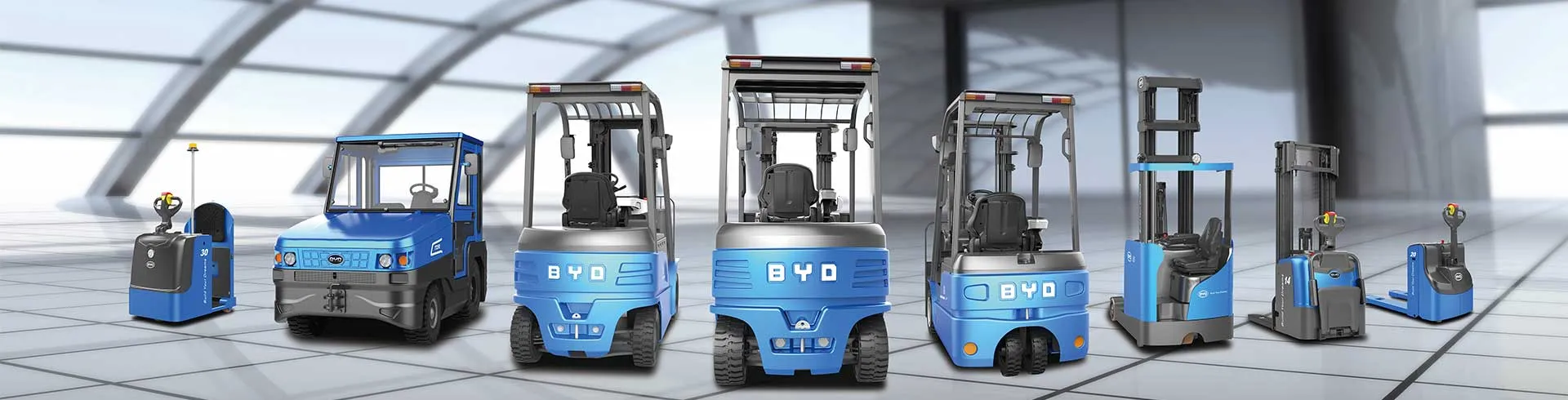
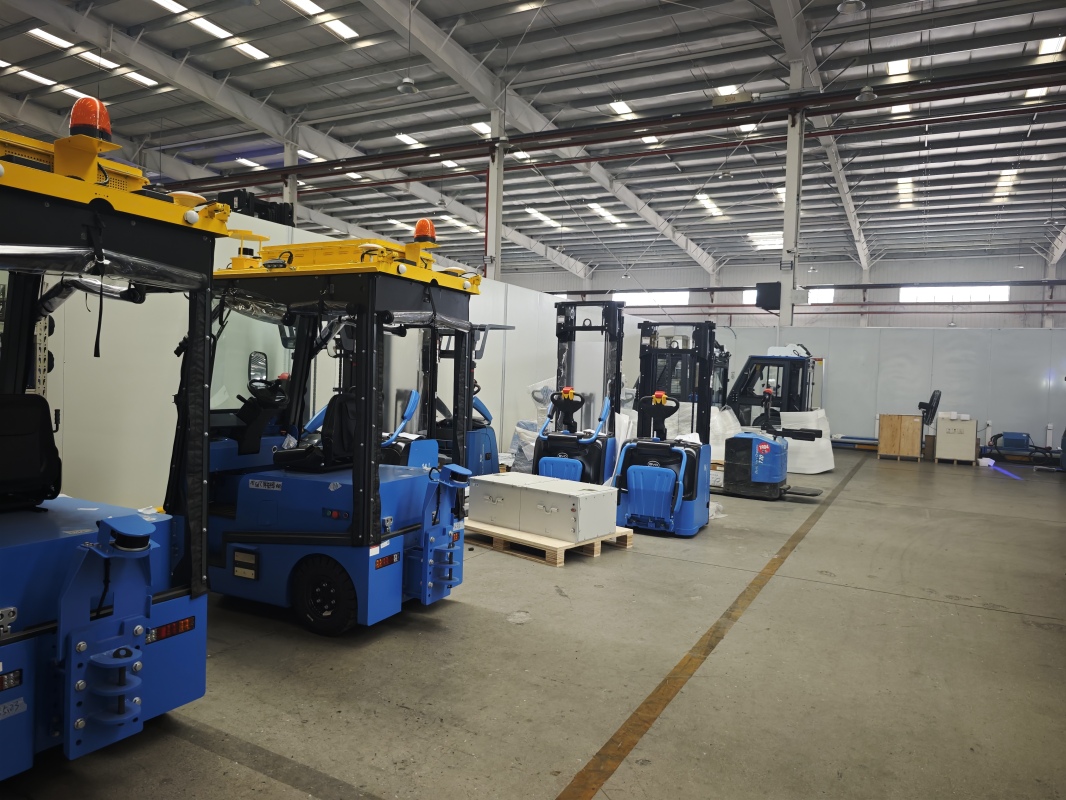
Finally, for your Indonesian warehousing project, you may contact us at 17399989919@163.com for further assistance. We can help you match your requirements with certified options that meet regional standards. As an example, Jianshu New Energy and BYD Forklift offer electric forklifts that are available with SNI certification for the Indonesian market. Remember to always validate the certification documents against official sources before finalizing any purchase. By following these steps, you can ensure a smooth sourcing process that complies with Indonesian regulations and supports efficient warehouse operations.


