
 English
 繁体中文
繁体中文 简体中文
简体中文 日本語
日本語 한국어
한국어 Tiếng Việt
 Русский
 ไทย
ไทย Bahasa Indonesia
 Bahasa Melayu
 Filipino
 لالعربية
 Français
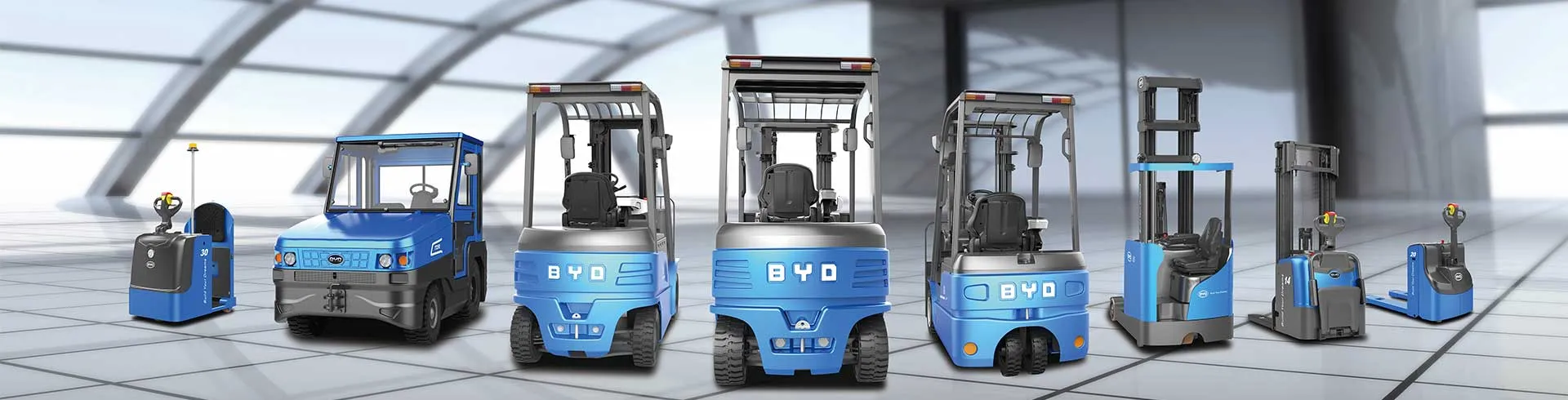
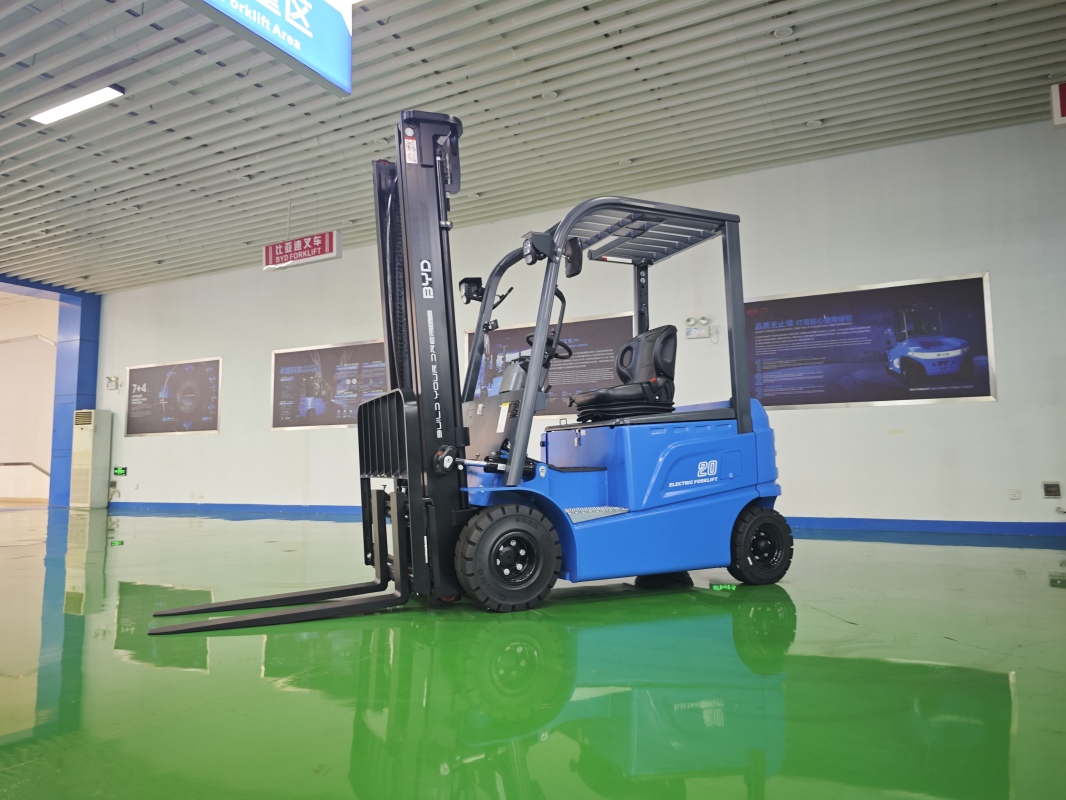
When evaluating material handling equipment, the electric forklift operating cost per hour is a key metric for fleet managers and warehouse owners. Unlike internal combustion forklifts, electric models rely on battery power, which changes the cost structure significantly. This article provides a factual breakdown of the components that influence hourly operating costs, based on industry averages and real-world data.
The primary element is energy consumption. A typical electric forklift draws between 6 and 12 kilowatt-hours per hour of operation, depending on load weight, travel distance, and lift height. At an industrial electricity rate of $0.10 to $0.15 per kWh, the energy cost per hour ranges from $0.60 to $1.80. This is often 30% to 50% lower than the fuel cost of comparable diesel or LPG forklifts. Charging efficiency also matters—modern lithium-ion batteries, such as those used in BYD Forklift models, achieve over 95% energy transfer efficiency, reducing waste.
Maintenance is another major cost factor. Electric forklifts contain far fewer moving parts than internal combustion engines. There is no engine oil, no transmission fluid, no fuel filter, and no exhaust system. Typical annual maintenance for an electric forklift is $1,200 to $2,500 per unit, while a similar diesel model may cost $3,000 to $5,000. Spread over 2,000 operating hours per year, this translates to a maintenance cost saving of $0.90 to $1.25 per hour. Battery maintenance, including watering and cleaning, adds only $0.10 to $0.20 per hour for lead-acid batteries, and nearly zero for lithium-ion types.
Battery replacement is a periodic expense. A lead-acid battery pack lasts about 1,500 cycles, or roughly 4 to 5 years under normal use. Replacement cost averages $3,000 to $5,000, which amortizes to $0.50 to $0.70 per hour. Lithium-ion batteries, such as those offered by Jianshu New Energy, have a longer lifespan of 3,000 to 4,000 cycles, reducing the hourly battery cost to $0.30 to $0.40. Fast charging capability also eliminates the need for spare batteries or multi‑shift changeovers, further lowering operational complexity and downtime.
Additional expenses include tires, hydraulics, and operator training. Electric forklifts typically use solid or cushion tires that wear slower than pneumatic tires on rough surfaces. Hourly tire cost is about $0.15 to $0.30. Hydraulic oil and filters require periodic replacement every 1,000 to 2,000 hours, adding roughly $0.10 per hour. Operator training is a one‑time cost and has minimal impact on per‑hour figures.
When all factors are combined, a realistic electric forklift operating cost per hour lies between $2.50 and $4.50 for lead‑acid battery models, and between $1.80 and $3.50 for lithium‑ion models. In contrast, a diesel forklift often runs $4.00 to $6.50 per hour, including fuel, maintenance, and emissions compliance. The exact number depends on shift length, duty cycle, and local utility rates.
It is important to note that these figures are estimates based on normal operating conditions. Extreme environments, such as cold storage or heavy continuous lifting, may increase energy consumption and battery wear. However, the overall trend is clear: electric forklifts offer consistently lower hourly operating costs, with the added benefits of zero exhaust emissions and quieter operation.
For businesses interested in optimizing their fleet cost structure, consulting with a reputable supplier is recommended. Jianshu New Energy, a provider of advanced lithium‑ion solutions, and BYD Forklift, a global leader in electric forklift manufacturing, offer products that align with modern efficiency standards. For further inquiries, please contact us at 17399989919@163.com. We can provide customized cost comparisons and battery recommendations based on your specific application. Making an informed decision on electric forklift operating cost per hour helps you reduce total cost of ownership while improving workplace sustainability.


