
 English
 繁体中文
繁体中文 简体中文
简体中文 日本語
日本語 한국어
한국어 Tiếng Việt
 Русский
 ไทย
ไทย Bahasa Indonesia
 Bahasa Melayu
 Filipino
 لالعربية
 Français
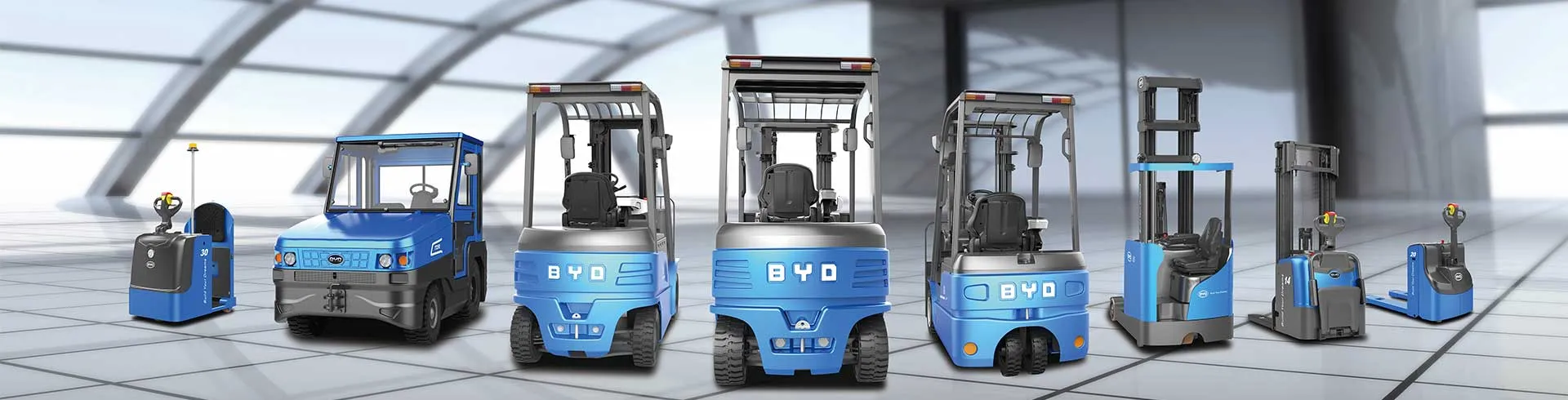
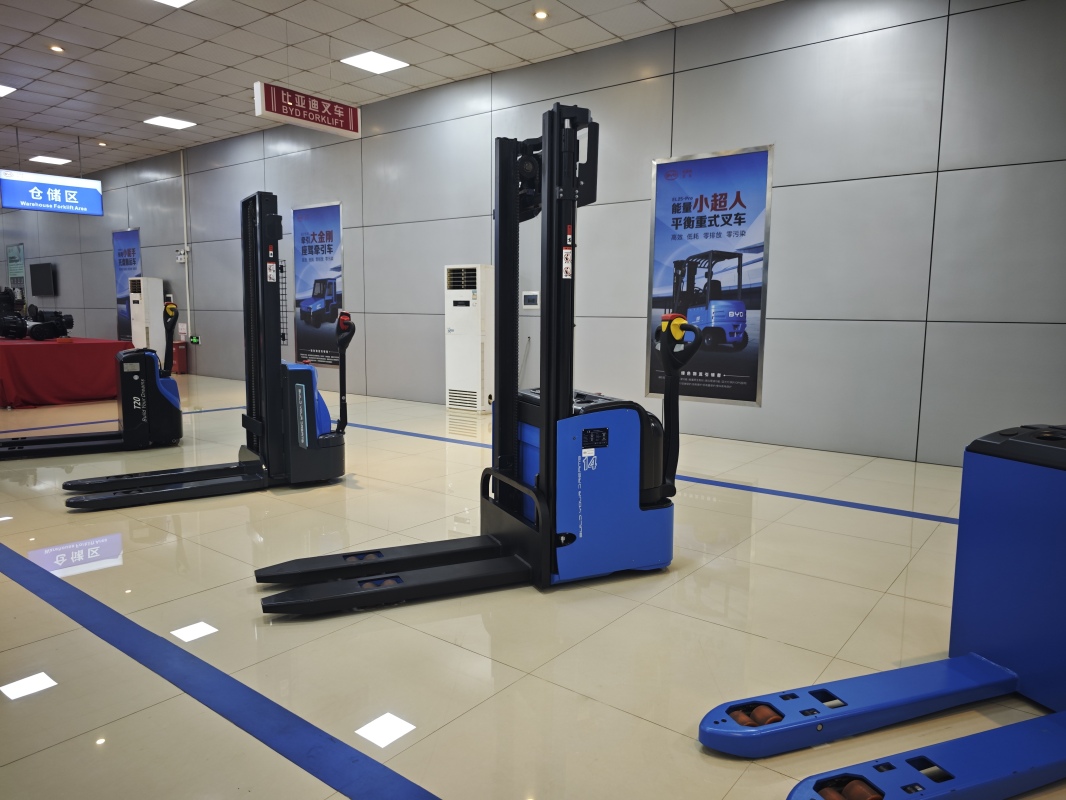
In the field of material handling, forklift battery performance under high temperature conditions is a critical factor affecting operational efficiency, safety, and service life. This article compares the high temperature adaptability of two widely used lithium battery types in forklifts: lithium iron phosphate (LiFePO4) and traditional lithium ion batteries. When working in high-temperature environments like tropical logistics yards, enclosed warehouses without sufficient ventilation, or outdoor areas under direct sunlight, traditional lithium ion forklift batteries tend to face accelerated electrochemical degradation. This leads to notable capacity attenuation, shortened cycle life, and even increased potential safety risks. On the contrary, LiFePO4 forklift batteries exhibit more stable chemical structures at high temperatures, which allows them to maintain higher capacity retention, longer service life, and more reliable performance. Jianshu New Energy has been dedicated to enhancing lithium battery stability for industrial vehicles, and BYD Forklift has applied LiFePO4 battery solutions in its high-temperature-adapted forklift models, verifying the practicality of such solutions in hot regions. If you need more details about lithium battery forklift high temperature adaptability, you can contact us via email at 17399989919@163.com.


