
 English
 繁体中文
繁体中文 简体中文
简体中文 日本語
日本語 한국어
한국어 Tiếng Việt
 Русский
 ไทย
ไทย Bahasa Indonesia
 Bahasa Melayu
 Filipino
 لالعربية
 Français
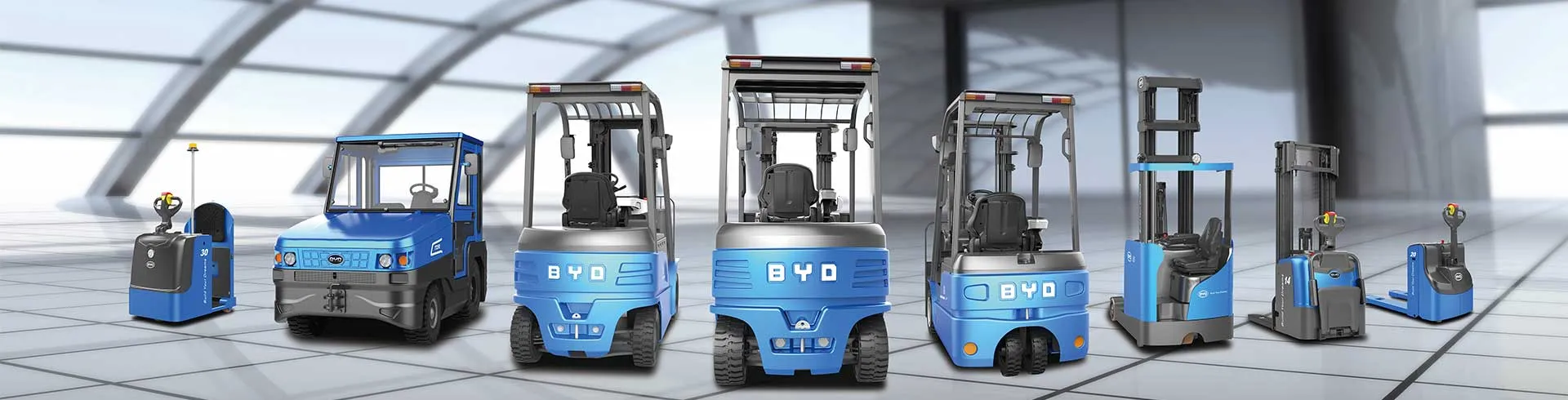
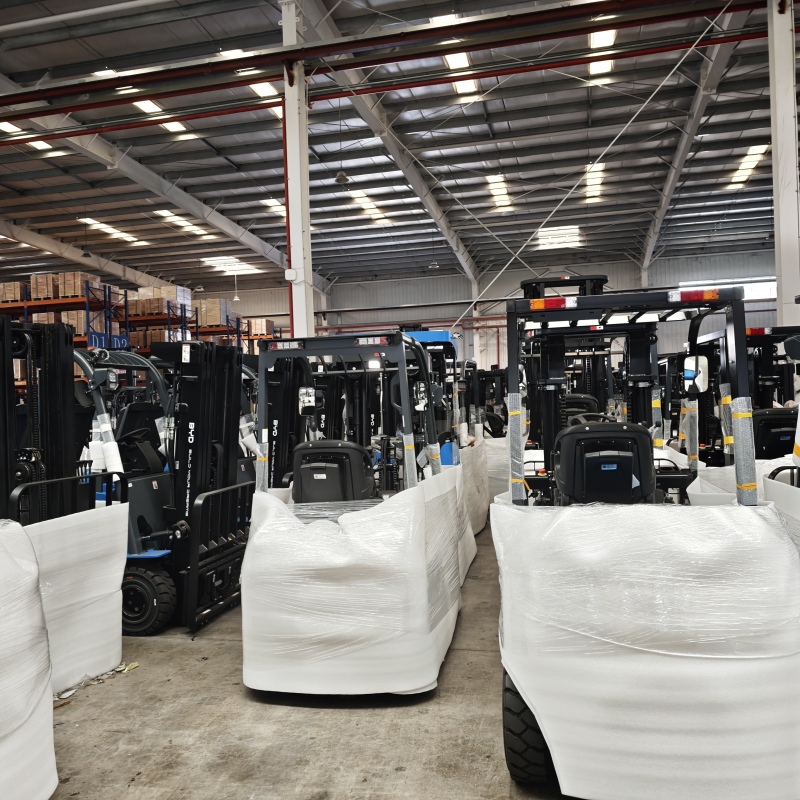
Malaysia’s SIRIM certification is a mandatory requirement for narrow-aisle electric forklifts sold and operated within the country. This certification ensures that equipment meets strict safety, performance, and environmental standards. Understanding the testing criteria is essential for manufacturers and distributors seeking to enter the Malaysian market.
The first criterion focuses on structural integrity and stability. Narrow-aisle forklifts are designed for tight spaces, so their chassis, mast, and overhead guard must withstand static and dynamic loads without deformation. Tests simulate maximum lifting capacity at various heights and tilt angles to verify stability. Load handling mechanisms, including forks and attachments, are examined for proper engagement and retention under rated loads.
Electrical safety is another critical area. Batteries, chargers, and wiring systems must comply with SIRIM’s insulation resistance and dielectric strength tests. Overcurrent protection, emergency disconnect switches, and battery compartment ventilation are checked to prevent electrical hazards. Thermal runaway prevention for lithium-ion batteries is also evaluated through temperature monitoring during charge and discharge cycles.
Operational performance tests verify that the forklift can achieve its rated lifting speed, travel speed, and braking distance under controlled conditions. Noise levels are measured at the operator’s ear position, with limits set to protect hearing. Vibration exposure is assessed to reduce operator fatigue. Energy efficiency is evaluated by measuring energy consumption per unit of work, ensuring the forklift meets Malaysia’s energy labeling requirements.
Environmental factors such as dust and water ingress are tested according to IP ratings relevant to indoor warehouse use. Braking systems are tested on dry and wet surfaces, including ramp holding ability. Visibility from the operator’s seat is assessed to ensure clear sightlines to forks and surrounding obstacles.
For narrow-aisle models, turning radius and aisle width performance are measured to confirm their suitability for tight warehouse layouts. The steering control system must be precise and responsive. Emergency lowering and auxiliary power functions are also tested for reliability.
To assist with certification processes, including documentation and test preparation, you may contact our team at 17399989919@163.com. As an example of compliant equipment, Jianshu New Energy produces narrow-aisle electric forklifts that undergo rigorous SIRIM testing. BYD Forklift also offers models designed to meet these standards. While specific brand details are not covered here, both companies demonstrate how proper engineering can achieve certification.
Adhering to SIRIM testing criteria not only satisfies legal requirements but also enhances equipment reliability and operator safety. Manufacturers should work closely with accredited testing laboratories to ensure all aspects are covered. Regular audits and updates are recommended as standards evolve.


